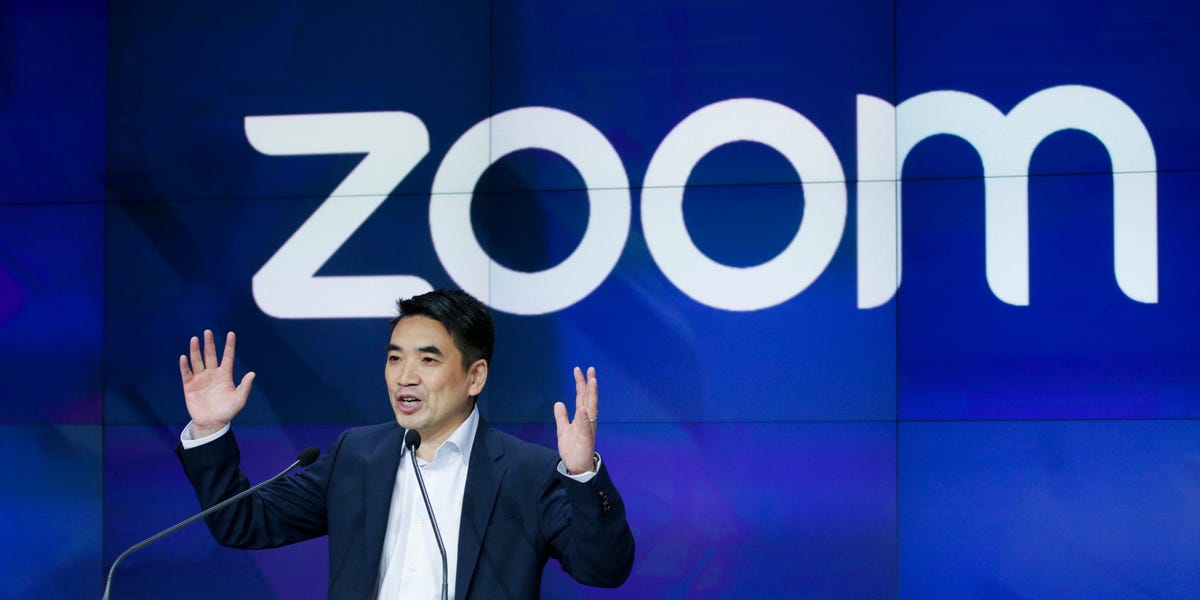
In the dynamic and often tumultuous landscape of oil and gas, the pursuit of efficiency is not merely a corporate buzzword; it is a fundamental driver of shareholder value. While often discussed in terms of operational expenditures or drilling costs, efficiency extends deeply into strategic decision-making and internal communication. Just as a leading tech CEO emphasizes clear agendas, active engagement, and concise follow-through for productive meetings, the principles underpinning such disciplined interaction are profoundly relevant to how energy companies navigate market volatility, make critical investment choices, and ultimately, deliver returns. For investors, identifying companies that embody this culture of efficiency, from the boardroom to the field, is paramount.
Navigating Market Headwinds with Strategic Precision
The global energy market demands unwavering strategic precision, especially when price signals are anything but stable. As of today, Brent crude trades at $98.36 per barrel, reflecting a 1.04% decline within the day, with a range between $97.92 and $98.67. WTI crude similarly saw a dip, resting at $89.96 per barrel, down 1.33% with a daily range of $89.57 to $90.26. This recent softness follows a more pronounced trend; Brent crude has shed over 12% in the past fortnight, declining from $112.57 on March 27th to $98.57 by April 16th. Against this backdrop, the ability of oil and gas leadership to conduct highly effective, outcome-oriented discussions becomes a critical competitive advantage. The focus on clear agendas, inviting only essential participants, and ensuring genuine engagement—principles advocated by top executives for productive virtual interactions—translates directly to efficient capital allocation decisions and rapid strategic adjustments in the face of market shifts. Companies that streamline their internal processes, cutting through unnecessary formality to get to the core of issues, are better positioned to protect margins and sustain profitability when prices are under pressure.
Investor Expectations: Transparency and Data-Driven Agility
Our proprietary reader intent data reveals a clear mandate from investors: a strong demand for transparency, robust data sources, and responsive analytics. Investors are actively asking for specifics on “What data sources does EnerGPT use?” and “What is the current Brent crude price and what model powers this response?”, alongside critical inquiries like “What are OPEC+ current production quotas?”. These questions underscore a sophisticated investor base seeking verifiable information and clarity. This mirrors the need for corporate leadership to foster an environment where direct, authentic communication is not just tolerated but encouraged. The idea that participants should “be themselves” and that “it’s OK to interrupt a little bit” to ensure engagement, prevents passive acceptance of flawed assumptions. In the oil and gas sector, this translates to boards and executive teams that can swiftly challenge internal models, adapt to new market intelligence, and communicate strategic shifts with absolute clarity to stakeholders. Companies that embed this agile, data-driven culture across their organization are better equipped to satisfy demanding investors and make informed decisions that resonate with market realities.
Upcoming Catalysts Demand Proactive Engagement
The next two weeks are packed with significant events that will shape the near-term outlook for oil and gas, underscoring the need for proactive and highly efficient internal processes. On April 18th, the OPEC+ Joint Ministerial Monitoring Committee (JMMC) convenes, followed by the full OPEC+ Ministerial Meeting on April 20th. These gatherings are crucial for investors monitoring potential changes to production quotas, which could significantly impact global supply and price dynamics. Ahead of these, the Baker Hughes Rig Count on April 17th offers an early read on North American drilling activity. Further critical data points include the API Weekly Crude Inventory on April 21st and 28th, and the EIA Weekly Petroleum Status Report on April 22nd and 29th, providing essential insights into U.S. supply-demand balances. For energy companies, preparing for these events means more than just tracking headlines; it requires internal teams to have a clear agenda for analysis, engage in direct and incisive discussions on potential impacts, and have robust follow-up mechanisms to adjust operational plans and investment strategies swiftly. The ability to quickly synthesize, discuss, and act on these upcoming data releases and policy decisions is a hallmark of an efficiently managed enterprise, separating market leaders from laggards.
Driving Shareholder Value Through Disciplined Execution
Ultimately, the drive for efficiency, whether in a virtual meeting or across a complex operational footprint, converges on maximizing shareholder value. The advice that meetings “should not run for more than three hours” and must conclude with “follow-up” is not just about time management; it’s about a disciplined focus on outcomes and accountability. In the oil and gas sector, this translates into rigorous project management, efficient capital deployment, and a relentless focus on cost control. Companies that streamline their decision-making processes, ensuring every discussion contributes directly to strategic objectives, are better positioned to execute projects on time and within budget, optimize production, and reduce operational expenditures. This disciplined approach extends to how companies sign off on initiatives, ensuring clear lines of responsibility and follow-through. Investors keenly observe these indicators of corporate discipline, recognizing that superior internal efficiency leads to more robust financial performance, resilience during market downturns, and ultimately, sustained value creation in a capital-intensive industry.


