The dawn of the artificial intelligence (AI) era is heralded as a transformative force, promising unprecedented shifts across industries and daily life. Yet, beneath the veneer of digital advancement lies a profound, and often overlooked, physical reality: AI demands immense energy. While the focus often remains on the computational marvels, astute investors are increasingly recognizing the burgeoning energy infrastructure requirements, particularly the substantial and growing draw on traditional power sources. This structural shift in demand, driven by the relentless expansion of data centers, presents a compelling long-term thesis for the oil and gas sector, challenging prevailing narratives of an immediate energy transition and offering unique opportunities for discerning portfolios.
AI’s Escalating Energy Thirst: A New Demand Driver for Oil & Gas
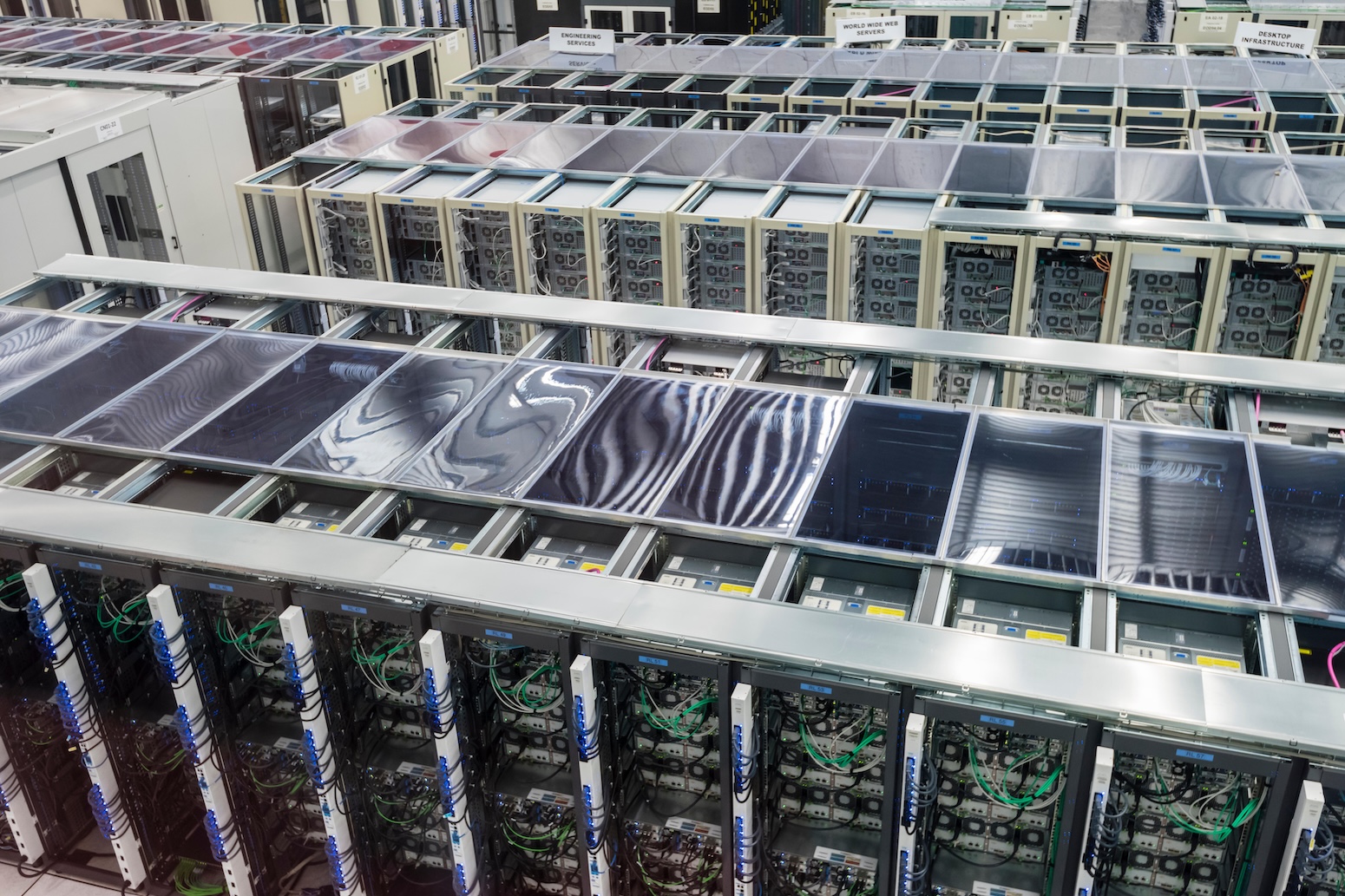
The rapid proliferation of AI models, from training to deployment, relies on an ever-expanding network of data centers. These facilities, the literal engines of the digital age, are becoming voracious consumers of electricity. Our proprietary data indicates that global electricity consumption from data centers has surged by approximately 12% annually since 2017. This trajectory is set to accelerate, with projections suggesting data centers could account for a significant portion of total electricity demand growth in major economies over the next decade. While there’s a push for renewable energy integration, the fundamental requirement for reliable, dispatchable, and often baseload power means that natural gas, and by extension oil derivatives for power generation in some regions, will continue to play a critical role.
Indeed, leading tech giants, despite their ambitious net-zero pledges, have reported considerable emissions spikes directly linked to their data center expansion. This highlights a crucial paradox: the very technology poised to transform efficiency across sectors is, in its current form, a significant new draw on the existing energy grid, much of which remains fossil-fuel dependent. This isn’t merely a temporary blip; it’s a structural demand addition that runs counter to assumptions of rapidly declining fossil fuel consumption, suggesting a more prolonged reliance on hydrocarbons to power the AI revolution.
Current Market Dynamics and the AI Undercurrent
Against this backdrop of emerging structural demand, the energy markets continue to navigate their characteristic volatility. As of today, Brent Crude trades at $90.38 per barrel, experiencing a notable -9.07% decline within a day range of $86.08 to $98.97. Similarly, WTI Crude stands at $82.59, down -9.41%, trading between $78.97 and $90.34. This sharp daily correction follows a broader trend; our 14-day analysis of Brent crude shows a substantial drop from $112.78 on March 30th to $91.87 on April 17th, marking an 18.5% decline over that period.
While such price movements can trigger short-term bearish sentiment, smart investors recognize the underlying currents. Many of our readers are asking, “What do you predict the price of oil per barrel will be by end of 2026?” While short-term forecasts remain susceptible to geopolitical shifts and inventory fluctuations, the long-term demand story, increasingly underpinned by AI’s energy needs, provides a robust foundation. The escalating demand for power, which will inevitably draw on oil and gas for grid stability and expansion, suggests a bullish bias for crude prices in the medium to long term, potentially offering a floor against severe, prolonged downturns despite recent price weakness.
Navigating Near-Term Volatility: OPEC+ Decisions and Inventory Watch
Even with AI building a structural demand floor, immediate market movements are heavily influenced by supply-side decisions and inventory data. Investors are keenly focused on the upcoming OPEC+ meetings. The Joint Ministerial Monitoring Committee (JMMC) convenes on Saturday, April 18th, followed by the Full Ministerial Meeting on Sunday, April 19th. These meetings are critical, especially given reader queries like “What are OPEC+ current production quotas?” Any adjustments to production targets by the alliance could significantly impact global supply and, consequently, crude prices in the days and weeks following the announcements.
Beyond OPEC+, market participants will closely monitor weekly inventory reports. The API Weekly Crude Inventory reports are scheduled for Tuesday, April 21st and April 28th, while the EIA Weekly Petroleum Status Reports, often seen as the more authoritative gauge, will be released on Wednesday, April 22nd and April 29th. These reports provide vital insights into the immediate supply-demand balance in the crucial U.S. market. Furthermore, the Baker Hughes Rig Count, due on Friday, April 24th and May 1st, will offer a forward-looking indicator of drilling activity and potential future supply. Collectively, these upcoming events will shape the near-term price trajectory, offering both risks and opportunities for tactical trading.
Investor Focus: Strategic Plays in the AI Energy Nexus
For investors seeking to capitalize on the AI energy paradigm, a strategic approach is essential. Instead of directly investing in AI tech companies, the focus shifts to the foundational energy providers that will fuel this revolution. Companies deeply entrenched in reliable power generation, particularly those with significant natural gas assets or advanced exploration capabilities, stand to benefit. The growing demand from data centers requires not just energy, but consistent, high-uptime power, a domain where gas-fired plants excel due to their dispatchability and lower emissions profile compared to coal.
This nuanced view also addresses questions like “How well do you think Repsol will end in April 2026?” For integrated energy companies like Repsol, which have upstream, refining, and retail operations, their resilience will increasingly depend on their ability to adapt to evolving energy demands, including supplying fuels for power generation and potentially investing in renewable energy projects that can be coupled with reliable baseload power. The “picks and shovels” approach to the AI gold rush means investing in the energy producers and infrastructure providers that are indispensable to AI’s growth. As AI’s energy footprint expands, the oil and gas sector, particularly those segments providing stable power generation fuels, emerges not just as a participant, but as a critical enabler of the next technological frontier.