Queensland’s Methane Challenge: A Bellwether for Broader Industry Costs
The recent revelations concerning significant methane leaks from abandoned coal boreholes in Queensland are more than just a regional environmental concern; they represent a burgeoning financial and reputational risk that oil and gas investors cannot afford to overlook. While the immediate focus is on coal, the implications for the broader fossil fuel sector – particularly those with extensive legacy infrastructure or operations in regions with evolving environmental regulations – are substantial. This issue highlights the increasing importance of ESG factors in valuation and foreshadows potential shifts in regulatory frameworks, translating directly into audit costs, remediation expenses, and potentially new levies on current operators.
The Burgeoning Cost of Legacy Emissions
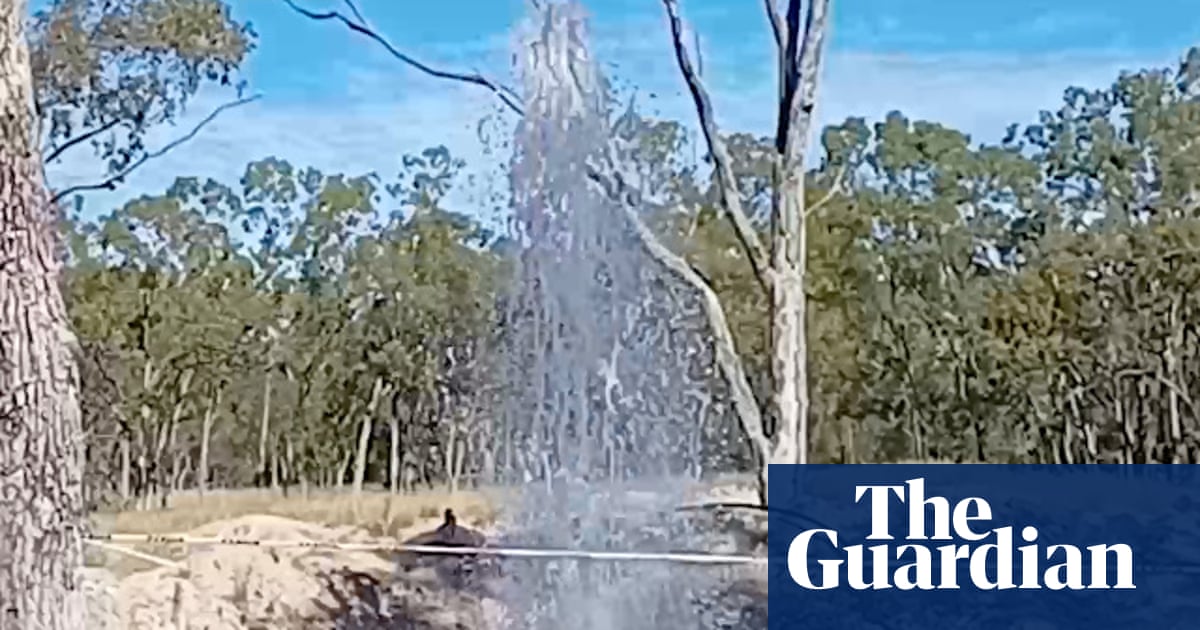
Research confirming that just two abandoned exploratory coal boreholes were leaking methane at a rate equivalent to 10,000 vehicles has sent ripples through the Australian energy sector. This finding is particularly alarming given federal government estimates of approximately 130,000 abandoned coal exploration bores in Queensland’s Surat and Bowen basins alone, where the quality of decommissioning is largely unknown. If even a conservative 5% of these legacy boreholes were emitting at similar rates, the environmental impact would be staggering, akin to 65 million cars. The Queensland Conservation Council has aptly described this as “the tip of the methane iceberg,” demanding a statewide audit and suggesting that remediation costs, especially where original operators are no longer in business, should be covered by a levy on all current coal miners. This proposition of current industry players bearing the costs of historical liabilities sets a crucial precedent, signaling a shift towards collective responsibility that could easily extend to the oil and gas sector.
Market Headwinds Meet Mounting ESG Pressures
The emergence of significant, previously unquantified environmental liabilities comes at a challenging time for the energy market. As of today, Brent crude trades at $98, marking a 1.4% decline, while WTI sits at $89.74, down 1.57%. This softer pricing environment, following a notable 12.4% drop in Brent from $112.57 just two weeks ago, underscores a challenging backdrop for energy producers. Our proprietary reader intent data confirms that investors are keenly focused on immediate market movements, frequently querying “What is the current Brent crude price?” and “What are OPEC+ current production quotas?” However, while the market’s gaze is fixed on these day-to-day supply and demand fundamentals, the Queensland methane issue spotlights a growing, systemic risk. The additional costs associated with methane audits, potential remediation levies, and enhanced regulatory compliance will inevitably compress margins for companies operating in the region, and by extension, for those in other jurisdictions facing similar legacy challenges. In a market where every dollar of cost efficiency is scrutinized, new, mandatory environmental expenditures represent a significant headwind to profitability and investor confidence.
Regulatory Scrutiny and the Future of Australian Energy Investment
The call for a comprehensive statewide audit and the implementation of a levy on current miners signals a clear intent for heightened regulatory intervention. Dr. Stephen Harris, an expert in greenhouse gas releases, points out that this issue extends beyond Queensland, with New South Wales alone having over 9,000 known coal exploration boreholes and an unknown number of abandoned ones. This indicates a systemic, national-level challenge. While the market’s attention is currently drawn to global supply dynamics, with the upcoming OPEC+ Joint Ministerial Monitoring Committee (JMMC) meeting on April 18th and the full Ministerial meeting on April 20th shaping near-term production strategies, investors must also calibrate for escalating regional regulatory pressures. The Queensland government’s response to this methane crisis could very well set a precedent for how other Australian states, and potentially other nations with extensive legacy fossil fuel infrastructure, approach the remediation of historical environmental burdens. Such policy shifts will directly impact the cost of doing business, potentially elevating operational expenses for companies across the entire energy value chain and influencing future investment decisions in the region.
Investment Implications and Portfolio Resilience
For oil and gas investors, the Queensland methane leaks serve as a critical reminder of the evolving risk landscape. Companies with significant legacy assets, particularly those with a history of coal or unconventional gas exploration, will likely face increased scrutiny regarding their past decommissioning practices and potential future liabilities. Investors should be actively questioning their portfolio companies on their methane emissions management protocols, the extent of their legacy well liabilities, and their strategies for mitigating associated financial and reputational risks. Firms that demonstrate robust ESG frameworks, proactive methane abatement programs, and transparent reporting on their environmental footprint will likely be better positioned to navigate these emerging regulatory challenges. Conversely, companies perceived to be lagging in these areas could face higher capital costs, increased regulatory fines, and a significant discount in their valuation. As the energy transition accelerates, the ability to effectively manage and mitigate methane emissions will become a key differentiator, influencing long-term portfolio resilience and driving capital allocation towards more sustainable and responsible operators.


