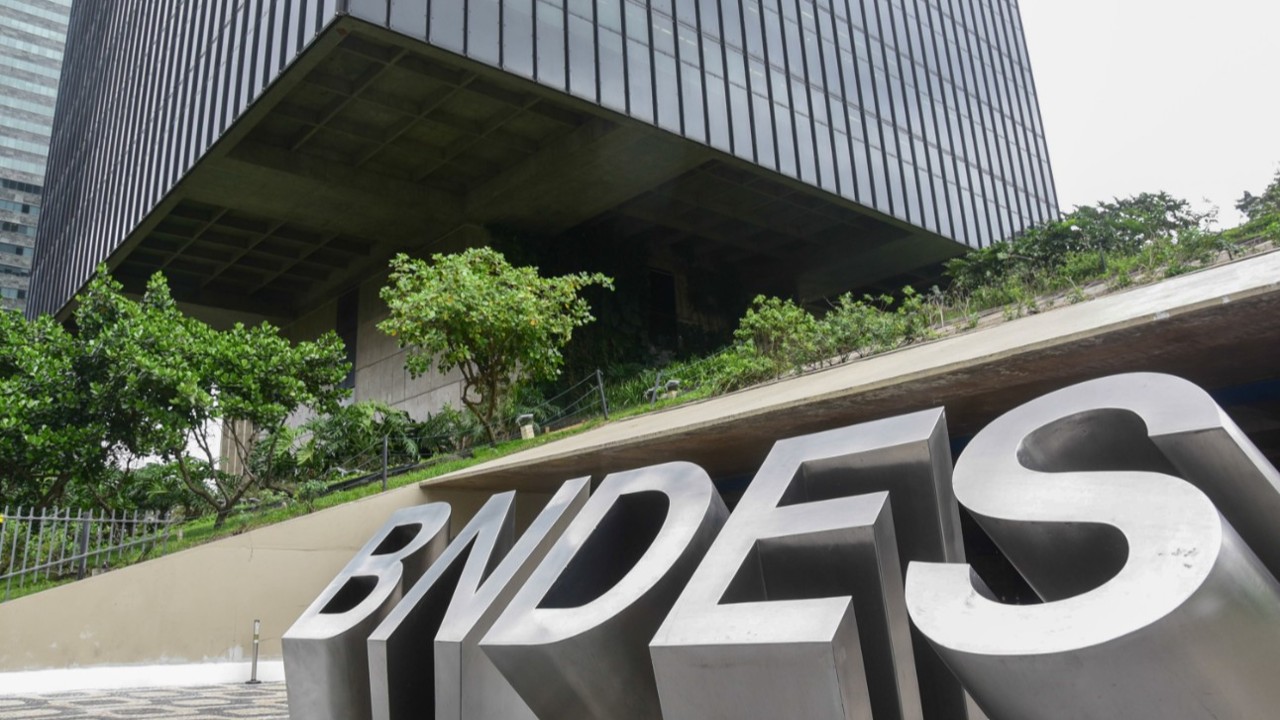
Brazil’s state development bank, BNDES, has signaled a profound shift in capital allocation, unveiling one of its most ambitious investment initiatives in nearly a decade. The institution is committing a substantial R$10 billion toward variable income investments by 2025, with half of this considerable sum – R$5 billion, or approximately $950 million USD – earmarked directly for sustainable projects. This strategic pivot, aimed at mobilizing up to R$30 billion in total green financing through private capital, marks a decisive move away from supporting “national champions” to prioritizing climate, innovation, and transparency. For oil and gas investors, this signifies not just a new investment landscape within Brazil, but a powerful example of the escalating pressures and opportunities shaping the global energy transition.
Brazil’s Green Ambition: A $950 Million Catalyst
The core of BNDES’s new strategy lies in its commitment to drive Brazil’s ecological transition. By directing R$5 billion of its R$10 billion variable income fund towards companies focused on decarbonization, innovation, and ecological projects, the bank is actively shaping the future economic direction of a major global economy. The remaining R$5 billion will be channeled through investment funds, creating a dual investment structure designed to amplify impact. This public capital is expected to catalyze private sector participation, potentially mobilizing an additional two to three times the initial contribution, pushing total green economy financing towards the R$30 billion mark by 2026. This move is not merely financial; it’s a policy statement that sustainability and low-carbon technologies are now central to Brazil’s competitiveness and growth strategy, a trend that traditional oil and gas companies must carefully monitor for both risks and diversification opportunities.
Market Realities Underscore the Transition Imperative
This bold green investment initiative by BNDES arrives at a fascinating juncture for the global energy markets. As of today, Brent crude trades at $98.34, reflecting a -1.06% daily dip, with WTI crude similarly down at $90.02, a -1.26% decline. This short-term softness follows a more pronounced trend; over the past two weeks, Brent crude has experienced a notable retraction, falling from $108.01 on March 26th to $94.58 on April 15th, representing a substantial decline of over 12%. While crude prices remain elevated historically, this recent downward pressure on the traditional energy complex, coupled with persistent volatility, arguably reinforces the long-term rationale for diversifying away from a pure-play hydrocarbon future. For investors evaluating oil and gas portfolios, BNDES’s significant bet on renewables and green technologies serves as a powerful reminder that capital is increasingly flowing towards sectors aligned with global decarbonization goals, potentially impacting future access to financing and overall valuations for less-diversified traditional energy entities.
Investor Focus: Navigating Traditional & Transitional Pressures
Our proprietary reader intent data reveals a clear picture of investor priorities in the current market. Frequent inquiries about “OPEC+ current production quotas” and the “current Brent crude price” consistently rank among the top questions our AI assistant, EnerGPT, receives. This underscores a persistent investor preoccupation with the immediate supply-demand fundamentals and geopolitical factors that drive traditional oil market movements. Investors are keenly focused on understanding the core dynamics of the hydrocarbon economy, seeking reliable data sources and market intelligence to inform their short-to-medium-term strategies. However, BNDES’s R$950 million green investment serves as a critical counter-narrative, illustrating that while traditional market dynamics command daily attention, a significant portion of long-term capital is strategically shifting. This dual focus creates a complex landscape where oil and gas investors must not only master the intricacies of OPEC+ decisions and inventory reports but also simultaneously assess the accelerating pace of the energy transition and the emergence of new green investment opportunities in key developing economies like Brazil.
Upcoming Catalysts: Divergent Paths for Energy Investment
The coming weeks are packed with events that will shape both the traditional and transitional energy narratives. On the traditional front, the industry awaits the Baker Hughes Rig Count reports (April 17th, 24th) and, crucially, the OPEC+ Joint Ministerial Monitoring Committee (JMMC) meeting on April 18th, followed by the full OPEC+ Ministerial Meeting on April 20th. These gatherings will be pivotal in determining near-term global oil supply policy and will undoubtedly influence crude price trajectories. Concurrently, the API and EIA weekly crude inventory reports (April 21st, 22nd, 28th, 29th) will provide critical insights into market balances. Yet, in stark contrast to these immediate hydrocarbon-focused events, BNDES is already laying the groundwork for its “Climate Call,” a major initiative expected to launch during COP-30 in Belém. This call will specifically select funds focused on energy transition, nature-based solutions, and low-carbon technologies. This forward-looking approach highlights the widening divergence in investment horizons: while traditional oil and gas investors remain glued to OPEC+ pronouncements and weekly inventory data, institutions like BNDES are actively seeding the next generation of energy infrastructure, emphasizing long-term sustainable growth over short-term commodity price fluctuations. This creates distinct investment pathways, demanding a nuanced understanding of both immediate market catalysts and long-term structural shifts.


