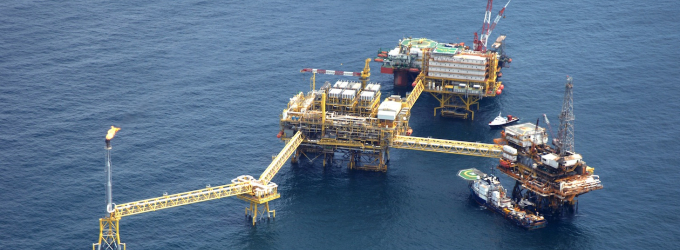
Mexico’s latest intervention to support Petróleos Mexicanos (Pemex) with a substantial $10 billion debt buyback offer signals an ongoing commitment to prop up the heavily indebted state-owned oil giant. This move, aimed at repurchasing global bonds maturing between 2026 and 2029, is not an isolated event but the most recent in a series of sovereign lifelines designed to stabilize Pemex’s precarious financial position. For investors navigating the complex landscape of emerging market energy debt, this development warrants careful scrutiny, particularly given the broader volatility in global crude markets and persistent operational challenges facing the Mexican behemoth.
Mexico’s Unwavering Sovereign Backstop for Pemex
The Mexican government’s decision to finance a $10 billion debt buyback for Pemex underscores its deep-seated commitment to the national oil company. This initiative targets 11 series of euro and dollar-denominated notes, with a clear priority on alleviating the near-term maturity wall, especially for bonds due in 2026. Pemex currently faces a formidable $19 billion in maturities next year, alongside $5.1 billion in bonds due in the latter half of 2025 and a staggering $20 billion owed to its service providers. The success of this buyback would significantly de-risk Pemex’s immediate financial obligations, buying crucial time for operational reforms.
This latest financial injection follows a previous $12 billion transaction in July, where Mexico sold pre-capitalized securities specifically to shore up Pemex’s resources. That earlier move was instrumental in earning Pemex a double-notch upgrade from Fitch Ratings, which explicitly cited the strengthening relationship with the sovereign as a key factor. Such consistent and substantial backing from the Mexican government sends a clear signal to bondholders: the sovereign views Pemex’s financial health as inextricably linked to its own. This support is crucial for a company grappling with approximately $100 billion in total debt, making it one of the most indebted oil companies globally.
Operational Headwinds Amidst a Turbulent Oil Market
While government financial support provides critical breathing room, it does not fundamentally address Pemex’s deep-seated operational inefficiencies. The company continues to contend with aging oil fields, a bloated workforce, and a concerning track record of accidents and explosions. These issues contribute to declining production, which has fallen to a 15-year low, and deter crucial private sector investment, especially from ESG-minded investors increasingly wary of the company’s environmental and safety performance.
Moreover, this period of financial maneuvering coincides with a highly volatile global crude market. As of today, Brent crude trades at $90.38 per barrel, marking a significant daily decline of over 9%. WTI crude has similarly plunged to $82.59, down more than 9% within the same trading session. This sharp downturn is particularly notable when considering the 14-day trend, which saw Brent crude fall from $112.78 on March 30th to $91.87 just yesterday. Such dramatic price swings directly impact Pemex’s revenue generation capabilities and its ability to service its remaining debt burden. While the government buys back debt, a sustained period of lower oil prices could quickly erode any financial gains from these relief efforts, underscoring the urgent need for operational improvements to enhance resilience.
Investor Sentiment: Pricing in Risk and Future Outlook
Our proprietary reader intent data highlights key investor concerns, with a prominent question being: “What do you predict the price of oil per barrel will be by end of 2026?” This reflects broader market uncertainty and directly impacts the valuation of integrated energy companies like Pemex. The government’s consistent financial support, while welcome by bondholders, also raises questions about the long-term sustainability of Pemex’s business model. Investors are weighing the immediate benefits of sovereign backing against the underlying operational challenges and the company’s ambitious, yet skeptical, goal of achieving financial self-sufficiency by 2027.
The latest debt buyback, coupled with the previous $12 billion financing and a planned $13.3 billion via an investment vehicle supported by local development and commercial banks, collectively addresses short-term financing needs. However, analysts remain skeptical that these measures sufficiently tackle the core operational woes. The market is keenly watching for concrete steps to attract private partners to boost oil and gas production, as outlined in Pemex’s recent business plan. Without significant and sustained improvements in efficiency, production, and safety, the long-term investment thesis for Pemex debt and any potential equity opportunities remains clouded, despite the sovereign’s deep pockets.
The Road Ahead: Geopolitical Shifts and Supply Decisions
Looking forward, the global energy calendar holds critical events that will significantly influence crude price trajectories and, by extension, Pemex’s financial health. Investors are closely monitoring the upcoming OPEC+ Joint Ministerial Monitoring Committee (JMMC) meeting on April 18th, immediately followed by the Full Ministerial Meeting on April 19th. Any decisions regarding production quotas from these gatherings will have an immediate and profound impact on global supply and crude pricing, directly affecting Pemex’s revenue streams and its capacity to meet its obligations.
Further down the line, weekly API and EIA inventory reports, along with the Baker Hughes Rig Count, will continue to provide vital insights into market dynamics. With Mexico having registered to sell as much as $15 billion in future debt, the sovereign’s own capacity to continue funding Pemex also warrants attention. While the Mexican government has demonstrated an unwavering commitment to its national oil champion, the sheer scale of Pemex’s debt and operational challenges demands more than just financial injections. Sustainable reform, improved operational efficiency, and a clearer path to production growth are essential to truly de-risk Pemex for long-term investors and ensure its viability in an increasingly competitive and price-sensitive global energy market.