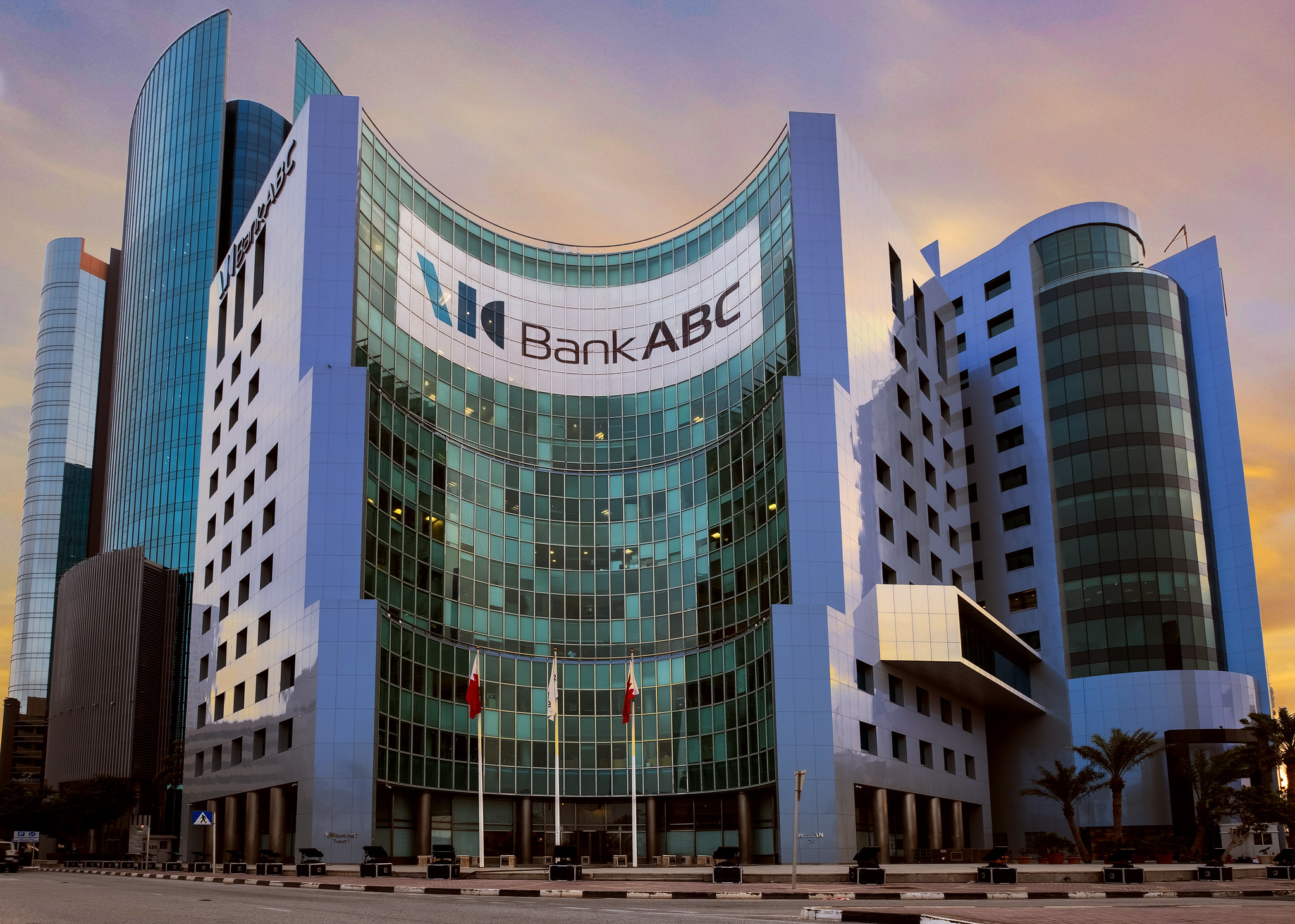
The global energy landscape is undergoing a profound transformation, and nowhere is this more evident than in the strategic allocation of capital by major financial institutions. A recent commitment by Bank ABC to mobilize a record US$2.8 billion in sustainable finance in 2024, with a striking 86% directed towards emerging markets, stands as a critical signal for oil and gas investors. This is not merely a corporate social responsibility initiative; it reflects a calculated pivot towards long-term value creation in an era increasingly defined by climate goals and energy transition imperatives. For investors navigating the volatile crude markets and seeking diversified exposure, understanding these capital shifts is paramount to identifying future growth opportunities and mitigating risks.
The Emerging Markets Pivot: A New Frontier for Sustainable Capital
Bank ABC’s substantial US$2.8 billion mobilization for sustainable finance in 2024, with a dominant 86% channeled into emerging markets, underscores a significant trend that cannot be overlooked by the oil and gas sector. These funds are earmarked for critical areas such as renewable energy, climate resilience, and inclusive growth initiatives across regions like Brazil, North Africa, the Middle East, and Asia. Historically, private capital has been slower to penetrate these higher-risk geographies for traditional infrastructure, let alone sustainable projects. However, this move signals a growing confidence in the risk-adjusted returns of green investments in regions that are simultaneously grappling with intense development challenges and climate vulnerability. For oil and gas companies with significant footprints in these emerging economies, this influx of capital into sustainable alternatives represents both a competitive challenge and a potential pathway for partnership in their own decarbonization and diversification efforts. The bank’s CEO, Sael Al Waary, emphasized the purpose-driven nature of this capital, highlighting a strategic alignment with sustainable and inclusive growth – a mantra increasingly adopted by integrated energy majors seeking to expand beyond fossil fuels.
Navigating Volatility: Market Signals and Long-Term Value Creation
The backdrop against which this sustainable finance commitment is made is one of significant market flux in the traditional energy sector. As of today, Brent crude trades at $90.38, marking a sharp decline of 9.07% within the day, with an intra-day range between $86.08 and $98.97. Similarly, WTI crude has experienced a substantial drop, trading at $82.59, down 9.41%, having ranged from $78.97 to $90.34. This daily volatility compounds a broader bearish trend: Brent has fallen from $112.78 on March 30th to $91.87 just yesterday, representing an 18.5% decline over the past two weeks. Such dramatic price swings in the core commodities highlight the inherent risks and cyclical nature of investing solely in upstream and traditional fossil fuel assets. In contrast, the strategic deployment of capital into sustainable finance, particularly in emerging markets, suggests a long-term investment horizon focused on more stable, albeit potentially lower-yield, assets that align with global transition mandates. For investors seeking to hedge against crude price volatility or diversify their portfolios, the growing scale of sustainable finance initiatives like Bank ABC’s offers a compelling alternative to consider.
Investor Sentiment: Addressing the Energy Transition Conundrum
Our proprietary reader intent data provides a direct window into the questions occupying the minds of oil and gas investors this week, and it strongly echoes the themes of energy transition and future commodity prices. Investors are keenly asking “How well do you think Repsol will end in April 2026?” Repsol, an integrated energy company with a significant and highly visible push into renewables, serves as a bellwether for how traditional oil and gas players can successfully pivot. This question directly links to the broader relevance of Bank ABC’s sustainable finance strategy: capital is increasingly flowing into the very areas that companies like Repsol are targeting for growth. Furthermore, the persistent question, “What do you predict the price of oil per barrel will be by end of 2026?”, underscores the industry’s ongoing reliance on crude fundamentals, even as capital shifts. The dual focus on short-term price predictions and long-term transition strategies indicates a market that is simultaneously grappling with immediate supply-demand dynamics and the irreversible march towards a lower-carbon future. Bank ABC’s actions provide a tangible example of financial institutions actively shaping this future by directing capital away from traditional fossil fuel expansion and towards green infrastructure, compelling O&G investors to re-evaluate their long-term holdings and strategies.
Upcoming Market Drivers and Strategic Re-evaluation
While the long-term capital shifts towards sustainable finance are undeniable, the immediate future for oil and gas markets will continue to be heavily influenced by traditional supply and demand drivers, particularly over the next two weeks. Investors must keep a close eye on the upcoming OPEC+ Joint Ministerial Monitoring Committee (JMMC) meeting this Saturday, April 18th, followed by the full Ministerial Meeting on Sunday, April 19th. Any signals regarding production quotas will have an immediate impact on crude prices. Our readers are actively asking about “OPEC+ current production quotas,” indicating high anticipation for these decisions. Beyond OPEC+, weekly inventory data from the API (April 21st, 28th) and the EIA (April 22nd, 29th) will provide crucial insights into short-term supply-demand balances in the United States, while the Baker Hughes Rig Count on April 24th and May 1st will offer a glimpse into future production trends. These events will undoubtedly inject further volatility into the markets. However, for the astute investor, it’s crucial to contextualize these short-term movements within the larger strategic trends, such as Bank ABC’s significant sustainable finance commitment. The confluence of immediate price drivers and long-term capital redirection demands a nuanced investment approach, balancing tactical plays with a strategic vision for an evolving energy portfolio.


