Reliance Navigates Geopolitical Crosscurrents Ahead of Critical AGM
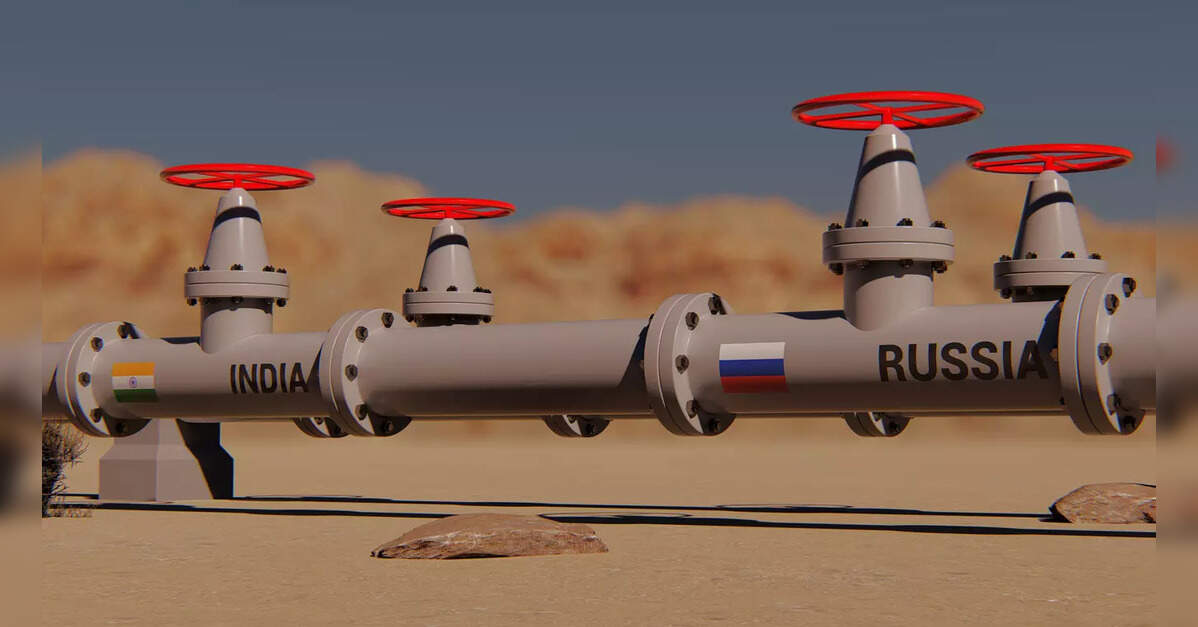
Reliance Industries Ltd.’s annual general meeting (AGM) has historically served as a critical barometer for India’s economic ambitions, with investors keenly anticipating strategic announcements from its visionary leadership. This year, however, the spotlight shifts from purely future-focused ventures to the immediate geopolitical pressures shaping the company’s core oil-to-chemicals business. With significant exposure to discounted Russian crude, Reliance finds itself at the nexus of advantageous procurement and escalating international scrutiny, a dynamic that will undoubtedly color the upcoming proceedings and influence investor sentiment.
The Delicate Balance: Profitability Versus Geopolitical Risk
Reliance’s refining arm has reaped substantial benefits from securing deeply discounted Russian crude, a strategic move that has reportedly saved the company hundreds of millions of dollars this year alone. This procurement strategy, while not violating international sanctions against Russia, has drawn increased attention from the United States, culminating in recent tariff hikes on Indian imports. The dilemma for Reliance is stark: continue leveraging these profitable long-term deals, including an existing agreement with Rosneft Oil Co PJSC, or pivot away to de-risk potential future sanctions and trade hurdles. A retreat would not only mean forfeiting a significant competitive advantage for its sophisticated refining operations but also navigating the political implications given India’s broader stance on Russian energy. The cautionary tale of Nayara Energy, which faced financial and logistical challenges after being blacklisted by the EU, underscores the tangible risks of perceived geopolitical misalignment in the energy sector.
Market Volatility Underscores Strategic Sourcing Value
In the current volatile energy landscape, the value of securing cost-effective crude feedstock is amplified. As of today, Brent crude trades at $98.01, marking a 1.39% decline on the day, with its range fluctuating between $94.42 and $99.84. Looking back over the past two weeks, Brent has seen a notable drop of over 12%, falling from $108.01 on March 26th to $94.58 by April 15th. This significant price swing underscores the critical importance of feedstock cost control for refining margins. Our readers frequently inquire about current Brent crude prices and the models powering these responses, highlighting the direct link between global benchmarks and refinery profitability. Reliance’s ability to procure Russian crude at a discount provides a buffer against such market fluctuations, enhancing its refining margins compared to competitors reliant solely on market-priced barrels. However, this financial advantage must now be weighed against the escalating costs of geopolitical friction, including tariffs that could erode these very savings.
Beyond the Podium: What Investors Are Really Asking
While the AGM podium will likely focus on Reliance’s ambitious plans in telecommunications, retail, and its emerging clean energy ventures, including significant developments in artificial intelligence, investors are keenly focused on the unspoken. Our proprietary reader intent data reveals a strong interest in “OPEC+ current production quotas” and the “current Brent crude price,” reflecting a desire to understand the foundational economics underpinning global oil markets. This implicitly connects to Reliance’s strategy: how will a potentially shifting global supply landscape impact the attractiveness or feasibility of its current crude sourcing? Mukesh Ambani’s address, though reportedly avoiding direct mention of Russia, will be scrutinized for any subtle cues regarding the company’s approach to geopolitical pressures. The ongoing accusations from senior US officials regarding “war profiteering,” even without explicitly naming Ambani, cast a long shadow over the company, which remains India’s largest buyer of Russian crude. Shareholders will be looking for reassurance on the stability of future earnings and the resilience of Reliance’s international standing.
Forward Outlook: Navigating Upcoming Supply Signals and Geopolitical Headwinds
The coming days are critical not only for Reliance’s AGM but also for the broader crude market dynamics. With the OPEC+ Joint Ministerial Monitoring Committee (JMMC) meeting scheduled for April 18th, followed by the full OPEC+ Ministerial Meeting on April 20th, market participants are poised for potential shifts in production quotas. Any adjustments to supply policies could significantly impact crude prices, directly influencing the strategic calculus for refiners globally, including Reliance. Our investors are actively seeking clarity on these OPEC+ production quotas, recognizing their pivotal role in shaping future crude supply and, consequently, global pricing. For Reliance, a tightening global supply, potentially leading to higher crude prices, could make discounted Russian crude even more appealing, intensifying the company’s current geopolitical tightrope walk. Conversely, an increase in supply could ease pricing pressure, potentially offering more viable alternatives to Russian barrels. The balance between maintaining robust refining profitability and mitigating geopolitical risk will define Reliance’s strategy as it navigates these complex energy and political currents, making its post-AGM communications and actions a key focus for oil and gas investors.


