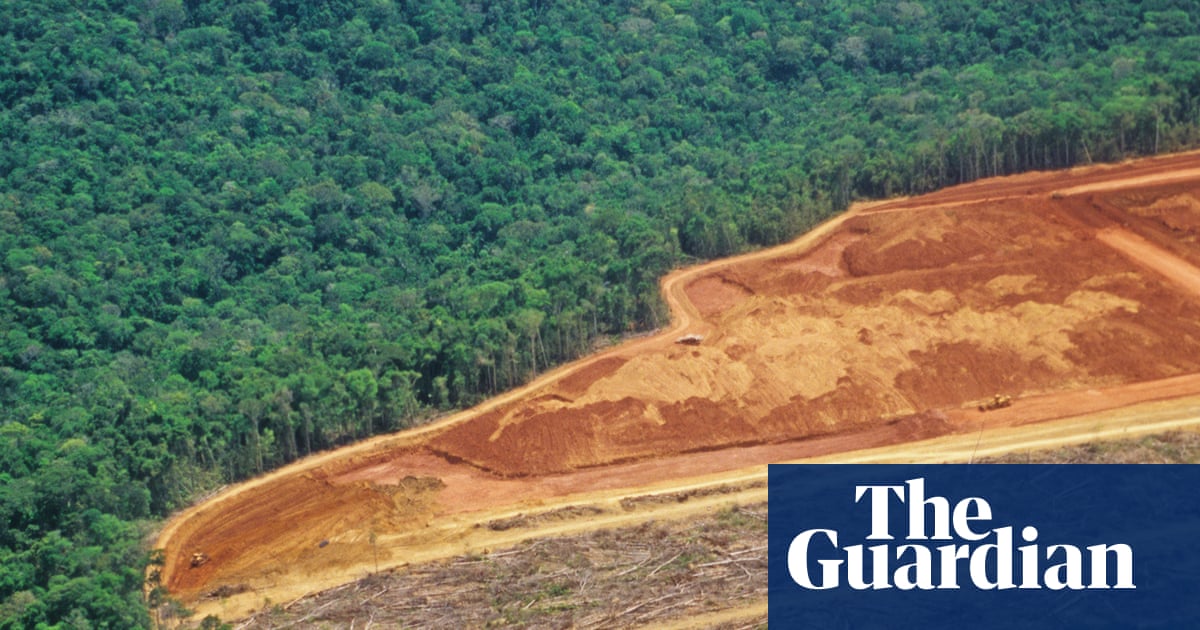
A recent, stark study has unveiled a grim truth: deforestation in tropical regions has been directly responsible for over half a million heat-related deaths in the past two decades. This isn’t merely a global climate change footnote; it’s a localized, immediate catastrophe where land clearance reduces shade, diminishes rainfall, and intensifies heat exposure, adding up to 3°C to local temperatures for millions. For energy investors, this finding should resonate beyond environmental headlines. It signals a rapidly escalating ESG risk that could profoundly impact operational viability, regulatory landscapes, and the cost of capital for oil and gas ventures, especially those with footprints or supply chains traversing sensitive ecosystems.
The Hidden Toll of Deforestation: A New ESG Imperative
The research, published in a leading scientific journal, meticulously calculated that between 2001 and 2020, approximately 28,330 annual deaths were directly attributable to deforestation-induced warming. This staggering figure, often overshadowed by broader climate debates, highlights a critical, localized impact felt most acutely in densely populated, heat-vulnerable areas of Southeast Asia, tropical Africa, and parts of Central and South America. For oil and gas companies, this isn’t just an abstract environmental concern; it represents tangible and growing social and operational risks. Projects located near or impacting these vulnerable regions, whether directly through infrastructure development or indirectly via supply chains tied to land-intensive activities like biofuels, face heightened scrutiny. The tragic human cost translates into increased community opposition, potential delays in permitting, and a rising tide of legal and reputational challenges that could erode shareholder value faster than commodity price fluctuations.
Market Realities and the Growing ESG Premium
As of today, Brent crude trades at $98.01, marking a +3.24% surge in a single day, within a range of $94.42 to $99.84. Similarly, WTI crude stands at $89.65, up +1.72%. These figures represent a significant rebound from the -12.4% decline Brent experienced over the past 14 days, moving from $108.01 to $94.58. While the market’s immediate focus remains firmly on these price movements, inventory reports, and geopolitical supply dynamics, investors must not lose sight of the compounding, long-term risks posed by issues like deforestation. The upward trajectory in crude prices might offer short-term comfort, but the accelerating social and environmental costs of land degradation are creating an undeniable ESG premium (or discount for non-compliance). Companies perceived as contributing to, or failing to mitigate, deforestation-related impacts will likely face higher costs of capital, reduced access to financing, and an increasingly skeptical investor base, regardless of their quarterly earnings. This dynamic underscores the urgent need to integrate robust ESG due diligence into every investment thesis, moving beyond traditional financial metrics to capture a more holistic view of risk.
Beyond Quotas: Forward-Looking Analysis and Regulatory Tides
The immediate calendar for energy investors is packed with critical events: the Baker Hughes Rig Count on April 17th and 24th, the OPEC+ JMMC and Full Ministerial Meetings on April 18th and 20th, and the API and EIA weekly inventory reports on April 21st/22nd and 28th/29th. These events will undoubtedly dominate market headlines, shaping short-term supply-demand forecasts and price expectations. However, a forward-looking investor must look beyond these immediate catalysts. The revelation of deforestation’s deadly localized impact will inevitably fuel stronger regulatory frameworks globally, particularly concerning land use, carbon accounting, and supply chain traceability. Governments in affected tropical nations, facing direct human health crises, are likely to enact stricter enforcement. Anticipate a future where project approval in critical ecosystems becomes significantly more challenging, where carbon credits tied to forest preservation are under increased scrutiny, and where companies are held liable for indirect deforestation impacts across their value chains. Proactive engagement in sustainable land management and nature-based solutions will not just be ‘greenwashing’ but a strategic imperative to de-risk future operations and secure social license.
Investor Focus: Expanding the Lens Beyond Short-Term Futures
Our proprietary reader intent data reveals a clear investor focus this week: queries overwhelmingly center on “OPEC+ current production quotas,” “current Brent crude price,” and requests to “build a base-case Brent price forecast for next quarter.” This underscores the market’s inherent drive towards understanding immediate supply-demand fundamentals and price trajectory. Yet, the profound findings on deforestation-related deaths represent a powerful call to expand this analytical lens. While predicting the next quarter’s Brent price is crucial, truly sophisticated oil and gas investing now demands a deeper integration of non-traditional data points. The localized impacts of environmental degradation, as evidenced by these fatalities, are not externalities but increasingly material risks. Companies that fail to account for escalating social opposition, potential regulatory crackdowns on land use, or the erosion of natural capital will find their long-term growth prospects constrained, even amidst favorable commodity prices. The ability to integrate such complex ESG factors into a comprehensive investment strategy will differentiate leading funds and analysts in the evolving energy landscape, offering a critical edge in identifying resilient assets and mitigating unforeseen liabilities.


