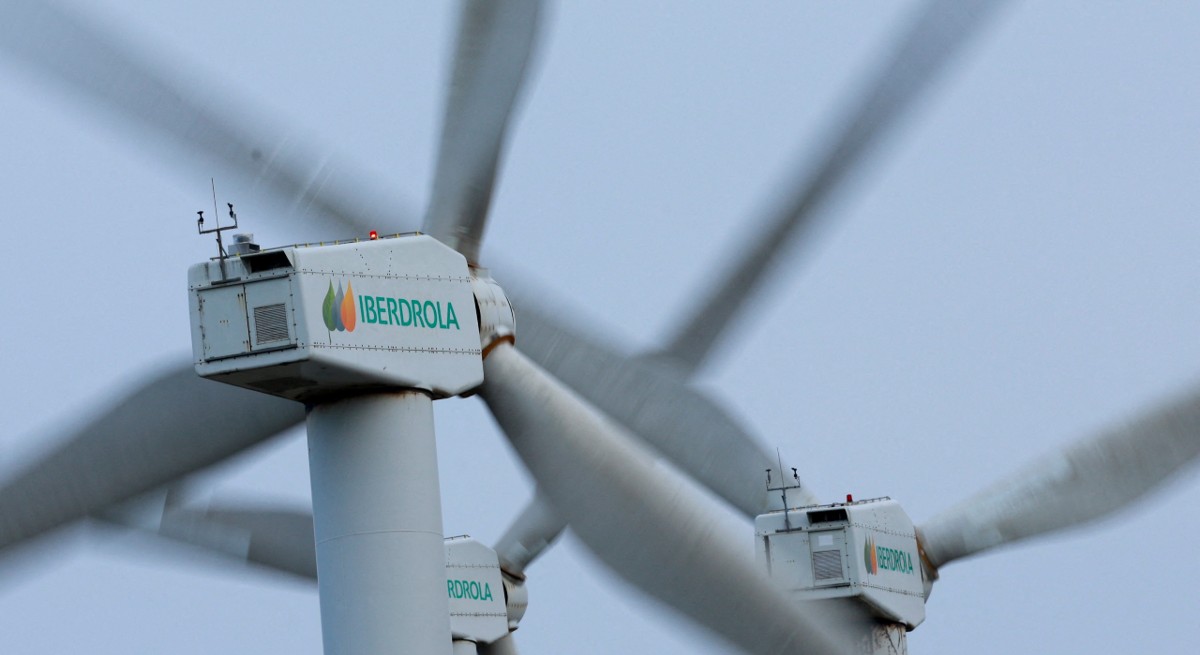
In an energy landscape increasingly defined by volatility and evolving regulatory pressures, the strategic imperative for companies to fortify their operational foundations has never been clearer. Iberdrola, a global energy leader, is making significant strides in this area through its renewed collaboration with the UN Global Compact in Spain. By extending its Sustainable Suppliers Training Programme to over 920 SME suppliers across four continents, Iberdrola is not merely engaging in corporate social responsibility; it is proactively de-risking its extensive supply chain, enhancing resilience, and establishing a robust framework for long-term value creation. For investors, this initiative represents a critical move towards insulating the company from potential disruptions and aligning its operations with the highest global sustainability standards, a strategy that promises stability amidst market fluctuations.
De-Risking the Supply Chain Amidst Market Volatility
The current energy market underscores the paramount importance of a resilient supply chain. As of today, Brent Crude trades at $93.93 per barrel, marking a 1.62% decline for the day, and a substantial drop from $118.35 seen just three weeks ago. WTI Crude similarly sits at $85.76 per barrel, down 1.9% within the daily trading range of $85.50-$86.78. Such sharp price corrections and persistent market volatility highlight the need for operational excellence and risk mitigation at every level of a company’s ecosystem. Iberdrola’s commitment to integrating sustainability across its value chain directly addresses these challenges. By providing free online training, live sessions, and case studies over five months to its SME partners, the company aims to embed the UN Global Compact’s Ten Principles and the UN 2030 Agenda into their operations. This proactive approach to supplier training mitigates a spectrum of risks, from reputational damage associated with unsustainable practices to operational disruptions stemming from non-compliance. A strict supplier Code of Conduct, encompassing human rights, equal opportunities, inclusion, occupational safety, environmental protection, and anti-fraud measures, serves as the bedrock for this entire initiative, ensuring that partners align with Iberdrola’s stringent ethical and operational benchmarks. The program’s previous editions, which saw 338 suppliers complete the training with an impressive 96% finding it valuable, demonstrate the tangible benefits and scalability of this strategic investment in its ecosystem.
Building Resilience and Long-Term Value Through ESG Integration
Iberdrola’s extensive sustainability training initiative is more than just a compliance exercise; it is a strategic investment in long-term resilience and value creation, directly addressing core investor concerns. Investors are keenly asking about the future direction of WTI and what the price of oil per barrel will be by the end of 2026, reflecting a deep desire for stability and predictability in a turbulent market. While short-term price movements are influenced by a myriad of factors, a company’s ability to maintain operational continuity and manage non-price risks becomes a crucial differentiator. By strengthening sustainability practices among its 920+ SME suppliers across four continents, Iberdrola is future-proofing its operations against evolving regulatory landscapes, consumer preferences, and stakeholder demands. This commitment to ESG integration enhances Iberdrola’s appeal to a growing pool of responsible investors, potentially lowering its cost of capital and improving its valuation multiples. The program’s broader reach, having already impacted over 5,200 suppliers in 72 countries with the support of 47 other major Spanish companies, underscores a collaborative and systemic approach to sustainability that is unparalleled. This collective effort not only raises standards across the industry but also fortifies Iberdrola’s competitive position by fostering a robust and ethically sound supply chain that can withstand external pressures and adapt to future challenges.
Strategic Foresight: Navigating Upcoming Market Catalysts
Looking ahead, the next two weeks present several key market catalysts that could inject further volatility into the energy complex, emphasizing the strategic value of Iberdrola’s proactive risk management. Tomorrow, April 21st, the OPEC+ JMMC Meeting is scheduled, a critical event that often provides directional signals for crude prices. This will be followed by the EIA Weekly Petroleum Status Reports on April 22nd and April 29th, which offer vital insights into U.S. inventory levels and demand trends. Additionally, the Baker Hughes Rig Count reports on April 24th and May 1st will shed light on production activity. These events, alongside the EIA Short-Term Energy Outlook on May 2nd, collectively contribute to an environment where energy prices can swing significantly. In such a dynamic context, a company like Iberdrola, with a de-risked and sustainable supply chain, possesses a distinct competitive advantage. The ability to minimize operational disruptions, ensure ethical sourcing, and maintain high safety standards among its vast network of suppliers means less exposure to headline risks and greater operational stability, regardless of short-term market movements. This foresight in building supply chain resilience is a testament to strong management and strategic planning, factors that resonate deeply with long-term investors. The question regarding Repsol’s potential performance by April 2026 reflects a broader investor interest in how European energy majors are adapting to energy transition pressures and supply chain challenges, highlighting Iberdrola’s leadership in this critical area.
Enhanced Competitive Advantage and Investor Confidence
Iberdrola’s extensive commitment to its Sustainable Suppliers Training Programme, in collaboration with the UN Global Compact, serves as a powerful differentiator in the competitive global energy sector. The initiative’s scale, reaching over 920 SME suppliers across four continents and building on a foundation that has already impacted 5,200 suppliers in 72 countries, demonstrates a profound and systemic approach to sustainability. This goes beyond mere compliance, embedding ethical and environmental best practices deeply into its operational fabric. Suppliers completing the five-month program receive certification, which not only validates their sustainability credentials but also strengthens the entire value chain, creating a network of more reliable, responsible, and resilient partners. For investors, this translates directly into enhanced confidence. A company that proactively manages its supply chain risks, particularly in areas as critical as human rights, environmental protection, and anti-corruption, exhibits superior governance and foresight. This reduces potential operational setbacks, mitigates regulatory fines, and protects brand reputation, all of which directly impact shareholder value. In an era where ESG factors increasingly influence investment decisions, Iberdrola’s leadership in this domain positions it favorably for attracting sustainable capital and achieving long-term, stable growth, providing a compelling narrative of responsible and resilient expansion in the global energy transition.


