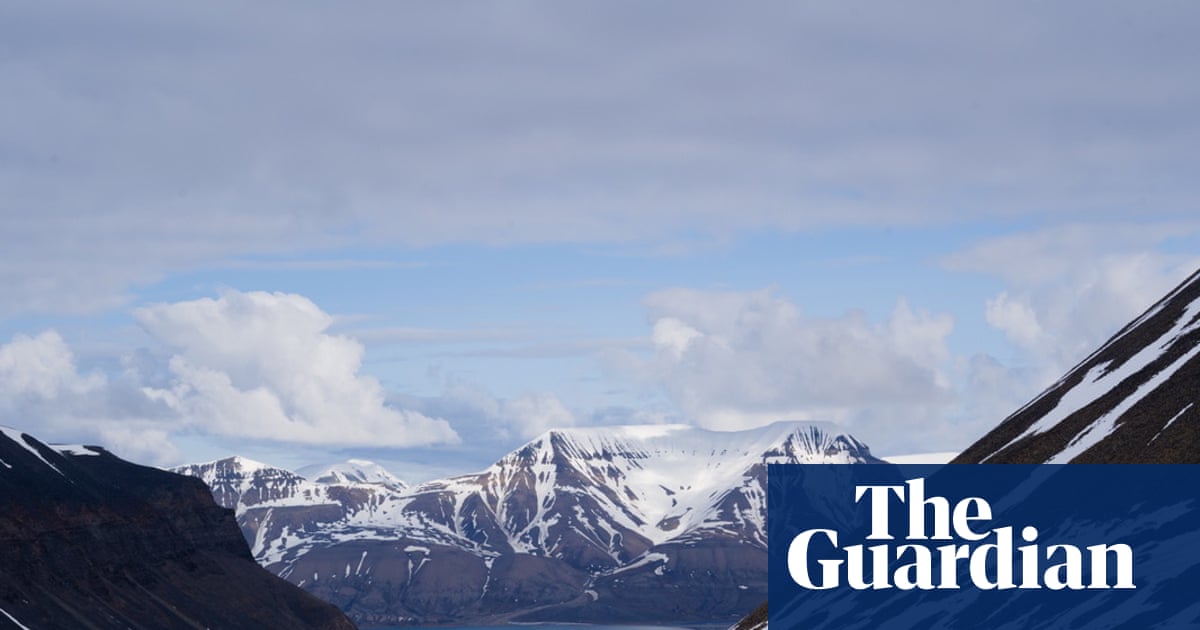
The Arctic, long a frozen sentinel, is undergoing a profound transformation. What was once considered an immutable expanse of ice is rapidly changing, creating both unprecedented ecological shifts and potentially unlocking new strategic energy frontiers. While scientists like Dr. Arwyn Edwards describe a Svalbard glacier turning into a “cascade of meltwater and falling rocks” due to record heat, the investment community must look beyond the immediate environmental drama to discern the long-term implications for global energy markets, resource access, and geopolitical dynamics.
The Emerging Arctic Energy Landscape
The accelerating Arctic thaw, with regions like Svalbard heating seven times faster than the global average, is reshaping the physical and economic geography of the polar north. This dramatic environmental shift carries a dual potential for the energy sector. On one hand, it highlights the pressing urgency of climate action and the “trillions of dollars in climate costs” that could be unleashed globally. On the other, the receding ice could eventually open up previously inaccessible regions, potentially revealing significant untapped oil and gas reserves. While the environmental challenges and the high operational costs remain substantial deterrents, the prospect of new resource access and shorter shipping routes, such as the Northern Sea Route, continues to intrigue long-term strategic planners in the energy industry. These developments, however distant, demand a re-evaluation of Arctic investment potential against a backdrop of increasing environmental scrutiny and evolving energy transition policies.
Navigating Geopolitical Dynamics and ESG Pressures
As the Arctic ice recedes, the geopolitical stakes in the region are escalating. Nations are increasingly asserting claims and exploring resource potential, leading to a complex interplay of international cooperation and competition. For oil and gas investors, this translates into heightened political risk and the need for sophisticated due diligence. Simultaneously, the ecological revelations from the Arctic — such as the discovery of complex microbial ecosystems, including those that can accelerate melting, and others that temporarily brake methane emissions — underscore the fragility of these environments. This scientific understanding feeds into an increasingly stringent ESG (Environmental, Social, and Governance) framework, impacting investment decisions. Companies considering Arctic exploration face intense pressure from regulators, activists, and shareholders to demonstrate unparalleled environmental stewardship and long-term sustainability, adding a significant premium to any frontier development.
Crude Market Volatility and Long-Term Arctic Projections
Current market dynamics present a complex picture for considering long-term, high-capital projects like those potentially in the Arctic. As of today, Brent Crude trades at $98.69, marking a notable 3.96% increase within a daily range of $94.42-$99.84. Similarly, WTI Crude has seen a 2.75% uptick to $90.55. These daily gains, however, contrast sharply with the broader trend; over the past two weeks, Brent shed a significant $13.43, declining 12.4% from $108.01 on March 26th to $94.58 on April 15th. This volatility, even with a strong rebound, prompts investors to continually reassess their base-case Brent price forecasts for the next quarter and beyond. The consensus 2026 Brent forecast remains a moving target, directly influencing the economic viability of new, high-cost ventures. While short-term price movements are driven by immediate supply-demand imbalances and geopolitical tensions, the substantial capital requirements and extended timelines of Arctic projects mean investors demand a robust and sustained high price environment to justify the inherent risks.
Upcoming Catalysts and Strategic Investor Positioning
Forward-looking analysis is paramount for navigating the energy investment landscape, especially when considering frontier regions. The immediate horizon is packed with critical data releases and policy events that will shape investor sentiment and crude price trajectories. The market is keenly awaiting the Baker Hughes Rig Count on April 17th and 24th, offering insights into North American drilling activity. More significantly, the OPEC+ Joint Ministerial Monitoring Committee (JMMC) meeting on April 18th, followed by the Full Ministerial Meeting on April 20th, could introduce significant supply-side adjustments, directly impacting global crude prices. Furthermore, the weekly API and EIA crude inventory reports, scheduled for April 21st/22nd and April 28th/29th, will provide crucial updates on U.S. supply and demand fundamentals. These events collectively inform the short-to-medium term outlook, which in turn influences the appetite for long-cycle investments. Investors are actively adjusting their strategies, balancing short-term tactical plays around these catalysts with a long-term view that factors in emerging frontiers like the Arctic, where the strategic promise is undeniable but the execution challenges are immense and multifaceted.


