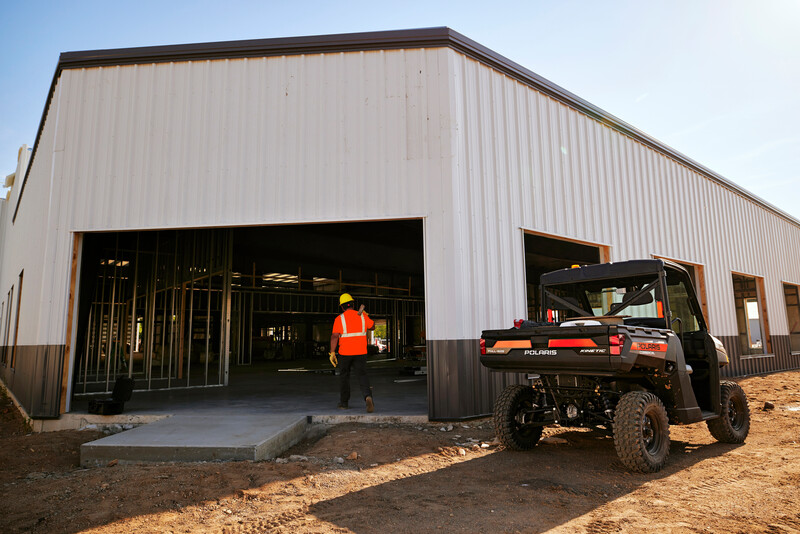
The oil and gas industry continually seeks avenues to optimize operational efficiency, especially in an environment characterized by fluctuating commodity prices and an relentless drive for productivity. A recent strategic partnership between Polaris Commercial and M.E.S.O., Inc. to expand the service network for Polaris Pro XD utility vehicles represents more than just a logistical upgrade; it signals a deeper trend towards enhancing field service capabilities that directly impacts the bottom line for upstream and midstream operators. For investors, this collaboration underscores a critical investment theme: the ongoing prioritization of uptime, cost reduction, and localized support in energy production regions.
Operational Resilience: Uptime as a Value Driver in Volatile Markets
In the demanding world of oil and gas, where equipment operates around the clock in often remote and challenging conditions, minimizing downtime is paramount. The expansion of mobile equipment maintenance services through M.E.S.O., Inc. as an authorized Polaris Pro XD service provider offers a direct solution to this perennial challenge. By bringing expert technicians, genuine parts, and factory-backed support directly to the job site, this partnership effectively transforms reactive maintenance into a more proactive, efficient process. This is particularly relevant for companies operating in the shale plays of Texas, Oklahoma, and Pennsylvania, regions explicitly covered by M.E.S.O.’s expanding footprint.
The timing of such an initiative is also notable. As of today, Brent crude trades at $99.24, marking a significant 4.54% increase from yesterday’s close and nearing the top of its daily range of $94.42-$99.84. This upward momentum follows a 14-day trend where Brent initially saw a dip from $108.01 on March 26th to $94.58 on April 15th, only to rebound sharply. Such price volatility underscores the critical need for operational resilience. When crude prices are rising, every hour of equipment uptime translates to greater potential revenue from increased production or more efficient project execution. Conversely, during downturns, reduced maintenance costs and extended equipment life become even more crucial for maintaining profitability. This partnership directly addresses the efficiency imperative, regardless of market direction, making it a compelling development for investors eyeing the operational health of the energy sector.
Enhancing Capital Efficiency and Regional Investment Footprint
Beyond immediate operational benefits, the strategic partnership between Polaris and M.E.S.O. carries significant implications for capital expenditure (CAPEX) and operational expenditure (OPEX) management within the oil and gas industry. By ensuring specialized, mobile maintenance, operators can extend the lifespan of their Pro XD utility vehicles, deferring the need for new equipment purchases and preserving precious CAPEX. This shift towards more robust field services allows for better allocation of capital to core exploration, drilling, and production activities. M.E.S.O.’s presence across key energy-producing states, including Texas, Oklahoma, and Pennsylvania, further amplifies this benefit, providing localized support where it is most needed and reducing the logistical burden and costs associated with transporting equipment off-site for repairs.
The availability of gas, diesel, and electric powertrain options for the Pro XD line also signals Polaris’s commitment to diverse energy sector needs, catering to operators’ varying environmental and operational requirements. This flexibility, coupled with enhanced serviceability, ensures that investments in these utility vehicles remain productive assets for longer, contributing to a more sustainable and efficient operating model. For investors, this trend towards specialized, mobile maintenance services represents an attractive niche within the broader energy services sector, potentially offering stable revenue streams regardless of the cyclical nature of drilling activity.
Strategic Alignment with Investor Priorities and Forward Outlook
Our proprietary data indicates that oil and gas investors are currently focused on several key questions, including building a base-case Brent price forecast for the next quarter and understanding the consensus 2026 Brent forecast. These inquiries highlight a deep concern for future market stability and the long-term viability of upstream investments. The Polaris-M.E.S.O. partnership, while seemingly focused on equipment maintenance, is deeply intertwined with these broader investor concerns. Efficient field operations are a cornerstone of profitability, directly impacting a company’s ability to capitalize on favorable price environments or weather downturns.
This expansion of service capabilities is not an isolated event but rather a reflection of an industry striving for greater self-sufficiency and operational excellence. As companies look to optimize their cost structures and maximize asset utilization, investments in robust support networks become critical. By reducing vehicle downtime and enhancing productivity, this partnership helps oil and gas operators improve their operational leverage, which is a key factor for investors assessing the resilience and growth potential of energy companies. It signals an industry-wide commitment to ensuring that physical assets, from rigs to utility vehicles, are performing at peak efficiency to meet production targets and deliver shareholder value.
Anticipating Market Shifts: Service Networks and Upcoming Events
The strategic expansion of service networks like the Polaris-M.E.S.O. alliance takes on added significance when viewed through the lens of upcoming market catalysts. With the Baker Hughes Rig Count scheduled for April 17th and again on April 24th, the industry awaits fresh data on drilling activity, a direct indicator of upstream investment levels. These reports, combined with the OPEC+ Joint Ministerial Monitoring Committee (JMMC) meeting on April 18th and the full Ministerial meeting on April 20th, will provide crucial insights into global supply management and market direction. Furthermore, the API Weekly Crude Inventory report on April 21st and the EIA Weekly Petroleum Status Report on April 22nd will offer real-time snapshots of U.S. supply-demand dynamics.
In this context of anticipated market shifts, having a reliable and responsive service infrastructure for essential field equipment like the Pro XD vehicles becomes a competitive advantage. As rig counts potentially fluctuate in response to OPEC+ decisions or inventory levels, the ability to keep existing equipment operational and efficiently maintained ensures that operators can adapt quickly, scaling activity up or down without being hampered by equipment failures or lengthy repair times. This forward-looking operational readiness, facilitated by partnerships like Polaris-M.E.S.O., allows oil and gas companies to remain agile and capitalize on opportunities as the market evolves, reinforcing their investment appeal.