India’s strategic pivot towards discounted Russian crude following the 2022 invasion of Ukraine has ignited a complex interplay of economic advantage and geopolitical friction. While New Delhi asserts a “moral duty” to secure favorable energy deals for its populace, the substantial financial gains reaped by the nation’s refining sector, spearheaded by Mukesh Ambani’s Reliance Industries, have undeniably reshaped global energy trade dynamics. This lucrative arbitrage, however, now places India squarely at the center of a burgeoning trade dispute with the United States, introducing a new layer of volatility for investors monitoring the energy sector. Our analysis delves into the financial implications for key players like Reliance, the broader market impact of these geopolitical maneuvers, and what upcoming events signal for crude prices and refining margins.
The Anatomy of a Windfall: Reliance’s Russian Advantage
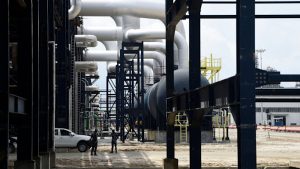
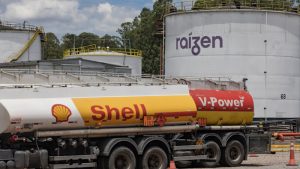
The strategic decision by Indian refiners to import heavily discounted Russian crude has translated into unprecedented financial windfalls. Data indicates that since February 2022, India has procured nearly $140 billion worth of Russian oil, which private and state-owned refineries have processed into refined products for both domestic consumption and international export. The primary beneficiary of this trade has been Asia’s richest man, Mukesh Ambani, through Reliance Industries, operator of the world’s largest refining complex in Jamnagar. Estimates suggest Indian refiners collectively garnered approximately $16 billion in extra profit from this discounted crude, with Reliance alone accounting for nearly $6 billion of that figure. This significant boost underscores Reliance’s dominant position, generating some 60% of its revenues from oil refining and petrochemicals. Initially, Indian refiners enjoyed an average discount of $11 per barrel compared to international crude prices. While this advantage has naturally diminished over time, settling closer to $2 per barrel before freight costs, the long-term strategic value remains. Reliance further solidified its position in December by securing a 10-year supply contract for Russian crude, signaling a sustained commitment to this sourcing strategy and its perceived economic benefits.
Geopolitical Crosscurrents and Market Volatility
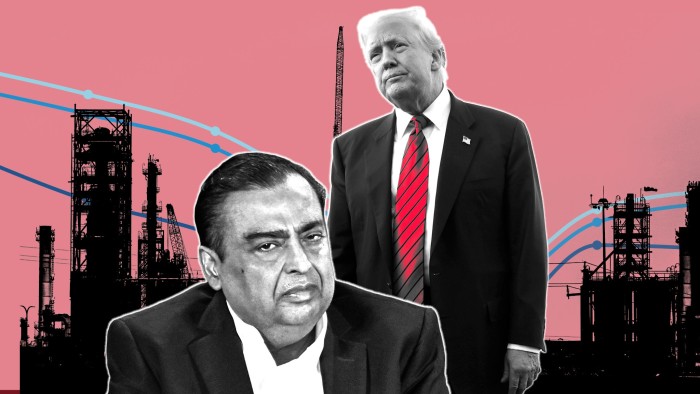
The economic benefits derived from Russian oil imports have not gone unnoticed on the global stage, leading to significant geopolitical repercussions. The recent decision by former President Donald Trump to double US tariffs on Indian goods to a punitive 50% represents a dramatic escalation, accusing New Delhi of indirectly funding Russia’s war efforts. This move has understandably shocked Indian officials, who maintain their refining operations adhere strictly to international norms and that Russian oil, unlike that from Iran or Venezuela, has not been subject to direct sanctions. Washington’s prior acquiescence to Indian purchases, provided they remained below the G7 price cap, highlights a shift in geopolitical tolerance. Investors tracking the energy markets must now factor in this heightened US-India trade tension as a significant source of uncertainty. As of today, Brent crude trades at $99.6, marking a significant 4.92% daily gain and reaching near the upper end of its intra-day range of $94.42-$99.73. This rebound comes after a notable 12.4% dip over the past two weeks, where prices fell from $108.01 on March 26th to $94.58 on April 15th. Such sharp price movements underscore the precarious balance in global energy markets, where geopolitical headlines, like the US-India tariff dispute, can trigger immediate and substantial reactions, impacting refining margins and the overall profitability outlook for major players.
Navigating the Future: OPEC+ Decisions and Refining Margins
The ongoing dynamics of global crude supply and demand will critically influence the profitability of refiners, particularly those reliant on discounted crude. Investors should closely monitor the upcoming OPEC+ Joint Ministerial Monitoring Committee (JMMC) meeting on April 18th, followed swiftly by the full Ministerial Meeting on April 20th. Any decision by the cartel regarding production quotas could significantly impact global crude prices, thereby altering the value proposition of discounted Russian oil and directly affecting refining margins for companies like Reliance. A move towards increased supply could depress crude prices, potentially narrowing the discount on Russian barrels further, while tighter controls could push prices higher, amplifying the value of any remaining discount. Furthermore, weekly indicators such as the Baker Hughes Rig Count, scheduled for April 17th and April 24th, will offer insights into North American supply trends. In parallel, the API Weekly Crude Inventory (April 21st, April 28th) and the EIA Weekly Petroleum Status Report (April 22nd, April 29th) will provide crucial data on US crude and product inventories, offering a clearer picture of demand strength and refining activity. These scheduled events are vital for investors to gauge the evolving supply-demand balance and its implications for the global refining sector, especially amidst the backdrop of US-India trade tensions.
Investor Outlook: Pricing in Geopolitics and Profitability
Our proprietary reader intent data reveals a strong focus among investors on crude price forecasts, with many actively seeking a base-case Brent price projection for the next quarter and a consensus 2026 outlook. This heightened interest in forward pricing is directly relevant to assessing the sustainability of refining profitability, particularly for entities like Reliance that have capitalized on arbitrage opportunities. The diminishing, yet still present, discount on Russian crude—from an average of $11 to approximately $2 per barrel—signals a maturing market for these specialized transactions. This evolution, coupled with the new tariff environment, compels investors to reassess future refining margins. The question of how major Asian refineries, often dubbed “teapots” in some contexts, are performing this quarter extends beyond just Chinese operators to include India’s refining giants. Their continued profitability hinges on the interplay of sustained demand for refined products, global crude price stability, and the ability to navigate geopolitical headwinds and evolving trade policies. For long-term investors, the focus must shift from simply benefiting from deep discounts to evaluating the resilience of these refiners’ business models against a backdrop of increasing trade protectionism and the potential for further sanctions or tariffs. The ability of companies like Reliance to adapt to these shifting dynamics will be paramount in determining their investment appeal.