India’s ₹30,000 Crore LPG Offset: A Deep Dive into OMC Stability and Market Implications
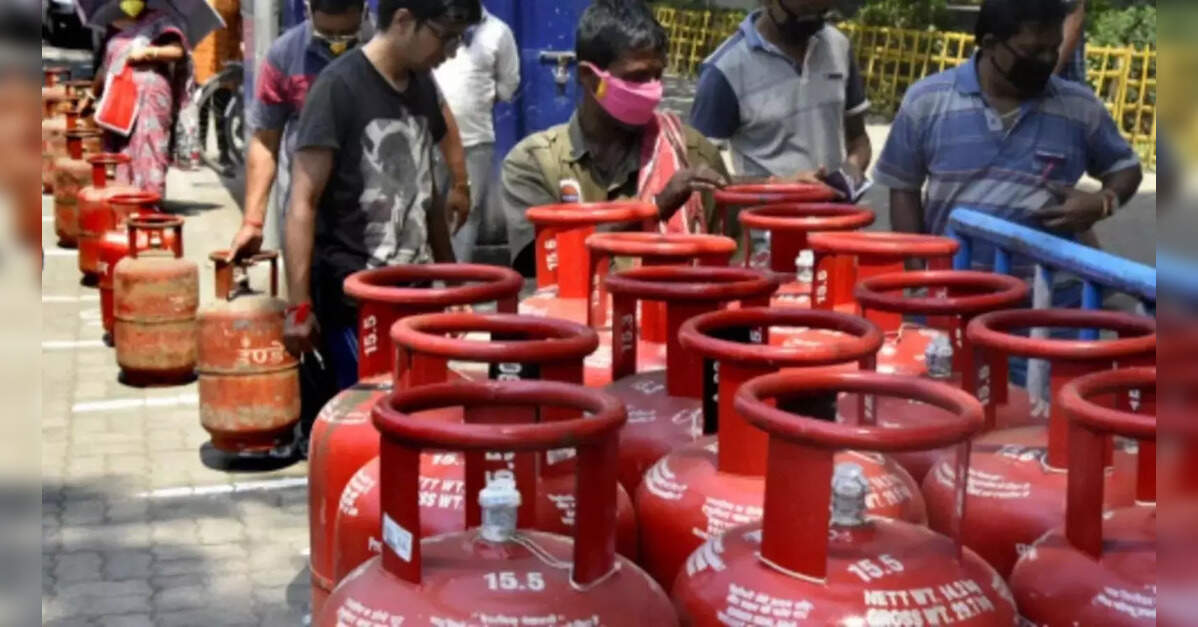
The Union Cabinet’s approval of a substantial ₹30,000 crore compensation package for India’s three public sector Oil Marketing Companies (OMCs) – Indian Oil Corporation Ltd (IOCL), Bharat Petroleum Corporation Ltd (BPCL), and Hindustan Petroleum Corporation Ltd (HPCL) – marks a critical intervention in the nation’s energy landscape. This financial infusion is designed to offset under-recoveries incurred from the sale of domestic LPG during the 2024-25 fiscal year, a period characterized by elevated international LPG prices. For investors, this move signals a strong governmental commitment to the financial stability of these key energy players, directly impacting their operational viability, debt servicing capabilities, and ability to sustain crucial capital expenditure. The compensation, to be disbursed in 12 tranches, aims to ensure uninterrupted LPG supplies across the country, a vital component of India’s energy security and social welfare objectives, particularly for beneficiaries under the Pradhan Mantri Ujjwala Yojana.
Navigating Volatility: The Current Macro Environment for Indian OMCs
The government’s decision to shield consumers from surging international LPG costs directly impacts OMC profitability, making such compensation vital in a volatile global energy market. As of today, the crude market exhibits significant dynamism, with Brent Crude trading at $99.62, marking a robust 4.94% increase within the day, while WTI Crude stands at $91.18, up 3.46%. This sharp intraday rebound comes after Brent experienced a notable decline of 12.4% over the past 14 days, falling from $108.01 on March 26th to $94.58 on April 15th. Such fluctuations in crude prices directly influence the procurement costs for OMCs, even for LPG, as their refining operations are intrinsically linked to crude benchmarks. The ₹30,000 crore offset provides a crucial financial cushion, allowing IOCL, BPCL, and HPCL to manage these input cost variances without immediately passing the burden to domestic consumers. This stability is paramount for their operational health, enabling them to meet critical expenses such as crude oil and LPG procurement and service their substantial debt obligations, all while maintaining a steady flow of essential energy products.
Strategic Implications and Forward-Looking Analysis for the Energy Sector
Beyond the immediate financial relief, this compensation package carries significant strategic implications for India’s energy sector and the OMCs. The commitment to disburse the amount in 12 tranches underscores a sustained support mechanism, providing predictable cash flow relief over the coming year. This allows the OMCs to plan their capital expenditure cycles with greater certainty, potentially channeling funds towards infrastructure upgrades, efficiency improvements, or even diversification into cleaner energy segments. Looking ahead, the next two weeks bring critical data points and meetings that could significantly influence the global crude market and, by extension, the financial health of OMCs. The Baker Hughes Rig Count on April 17th and April 24th will offer insights into North American supply dynamics. More crucially for the global supply picture, the OPEC+ Joint Ministerial Monitoring Committee (JMMC) meeting on April 18th, followed by the full Ministerial Meeting on April 20th, could lead to policy adjustments on production quotas. Any decision impacting supply could shift international crude and LPG benchmarks, directly affecting the profitability of OMCs if domestic prices remain regulated. Investors must monitor these events closely, as they will dictate the underlying cost structure for these companies even with government support in place.
Investor Sentiment and Key Questions for Indian OMCs
Our proprietary reader intent data reveals a consistent focus among investors on forecasting Brent prices for the next quarter, with many seeking a consensus 2026 Brent forecast. This compensation for OMCs directly impacts how investors should model their earnings in a volatile price environment. While the ₹30,000 crore offset provides a buffer against past under-recoveries from 2024-25, the underlying question for investors remains: how sustainable is this model, especially if international crude and LPG prices continue to experience upward pressure beyond the compensated period? The government’s intervention mitigates immediate risk but doesn’t remove the structural challenge of price regulation in a globally integrated market. Investors are keenly watching for signs of how these OMCs will balance their public service mandate with their corporate profitability goals. The assurance of financial stability, however, may make IOCL, BPCL, and HPCL more attractive to investors seeking defensive plays in the energy sector, as their earnings are partially de-risked from extreme commodity price volatility at the consumer end.
Beyond the Offset: Long-Term Market Dynamics and Investor Strategy
While the ₹30,000 crore compensation addresses a specific historical period of under-recoveries, investors must look beyond this immediate relief to assess the long-term trajectory of Indian OMCs. These companies are not merely distributors; they are pivotal to India’s energy security and its ongoing energy transition. Their ability to sustain capital expenditure, facilitated by this compensation, will be critical for modernizing infrastructure, expanding reach, and potentially investing in alternative fuels or renewable energy projects. The government’s stated aim of ensuring access to clean cooking fuel for all domestic LPG consumers, including Ujjwala Yojana beneficiaries, firmly places OMCs at the nexus of social policy and economic activity. For investors, this implies that government policy will remain a paramount factor in valuing these companies. Their profitability will continue to be a function of global commodity prices, domestic demand, and the willingness of the government to intervene and balance consumer welfare with corporate financial health. Investors should analyze these OMCs not just on conventional metrics, but also through the lens of their strategic importance to the nation and the implicit, or explicit, government backing they receive.


