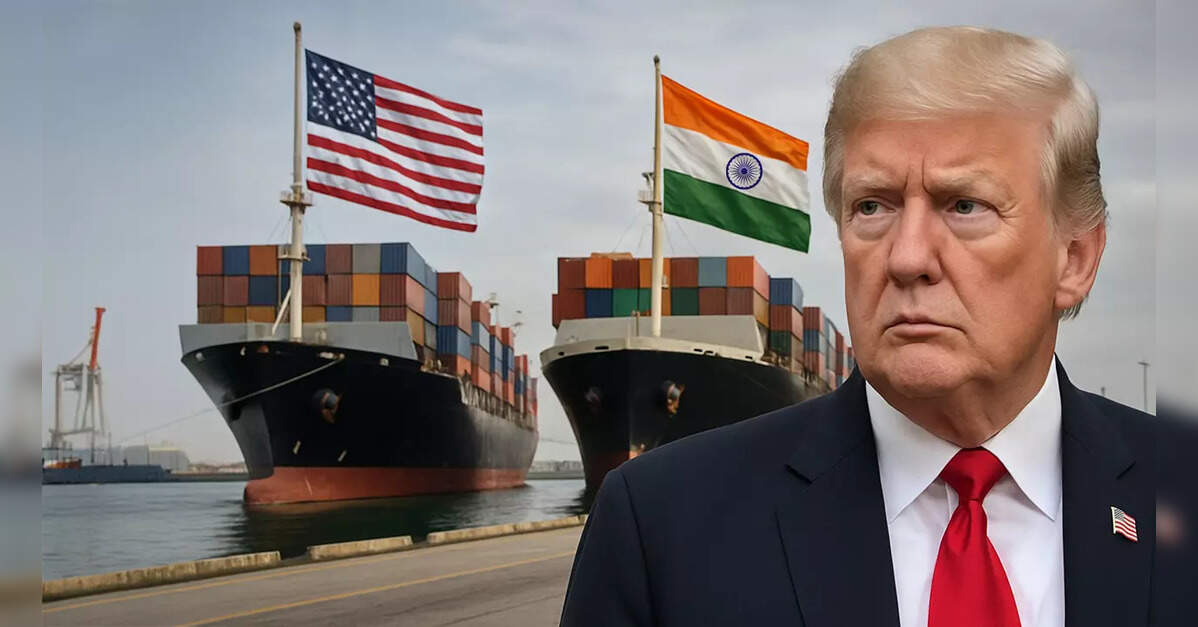
The global oil and gas landscape is once again proving to be a complex tapestry of geopolitical tensions, supply-side maneuvers, and shifting demand dynamics. Recent developments highlight how quickly market fundamentals can be reshaped by external pressures, demanding a nimble and informed investment strategy. The imposition of a 50% tariff on Indian purchases of Russian oil by the US, escalating from an initial 25%, serves as a stark reminder of how trade policies can directly impact energy flows and introduce significant market friction. This move, while targeting specific trade routes, ripples through the broader energy market, contributing to an environment of heightened uncertainty that oil and gas investors must carefully navigate.
Geopolitical Headwinds Drive Market Volatility
Geopolitical tensions continue to be a primary driver of volatility in the energy sector. The US decision to increase tariffs on India’s Russian oil imports to 50% underscores the ongoing efforts to influence global energy trade and supply chains. While India, a major global energy consumer, has traditionally diversified its energy sources, these tariffs force a re-evaluation of its procurement strategies and economic partnerships. This is not merely a trade dispute; it’s a geopolitical chess game that directly impacts the flow and pricing of crude. As of today, the market is visibly reacting to this and other global uncertainties. Brent Crude is currently trading at $90.38, reflecting a significant daily decline of 9.07%, with its intraday range spanning from $86.08 to $98.97. Similarly, WTI Crude has seen a sharp 9.41% drop to $82.59, moving within a daily range of $78.97 to $90.34. This immediate downturn follows a broader trend; Brent crude has fallen by $20.91, or 18.5%, from $112.78 on March 30th to $91.87 just yesterday, indicating sustained downward pressure over the past two weeks. Such sharp movements highlight the market’s sensitivity to perceived supply disruptions, demand concerns, and the ripple effects of international trade policies on energy security and pricing.
OPEC+’s Critical Juncture and Supply Management
With crude prices experiencing significant recent declines, all eyes are now firmly fixed on OPEC+. Investors are keen to understand the cartel’s response, especially concerning production quotas – a frequent question we’ve seen from our readers this week. The Joint Ministerial Monitoring Committee (JMMC) is scheduled to meet tomorrow, April 18th, followed by the full OPEC+ Ministerial Meeting on Sunday, April 19th. These meetings arrive at a critical juncture. The substantial price drop over the past fortnight, coupled with the current daily declines, places immense pressure on the alliance to reaffirm its commitment to market stability. Will OPEC+ maintain its current production cuts, or will the recent price weakness prompt further action? Historical precedent suggests that OPEC+ is sensitive to prices falling below key support levels, and the current sub-$90 Brent price may trigger discussions around tighter supply management. Any indication of sustained cuts or even deeper reductions could provide a floor for prices, while a lack of decisive action could exacerbate downward momentum. The market will be looking for clarity on production levels and any signals regarding future supply policy beyond these immediate meetings.
Investor Outlook: Navigating Future Price Trajectories
One of the most pressing questions from our investor base this week revolves around the future: “What do you predict the price of oil per barrel will be by the end of 2026?” This question encapsulates the broad uncertainty currently gripping the market. Predicting exact price points in a volatile environment is challenging, but we can outline the key factors that will dictate the trajectory. The outcome of the upcoming OPEC+ meetings is paramount, as their decisions on production quotas will heavily influence the supply side for the coming months. Beyond that, upcoming data releases will provide crucial insights into demand and domestic supply. The API Weekly Crude Inventory report on April 21st, followed by the EIA Weekly Petroleum Status Report on April 22nd, will offer a snapshot of US inventory levels – a key demand indicator. Furthermore, the Baker Hughes Rig Count on April 24th will signal the health and future production outlook of the North American shale patch. Strong inventory builds could signal weakening demand, pressuring prices, while a decline could suggest a tightening market. Geopolitical stability, particularly concerning ongoing conflicts and trade disputes like the US-India tariff situation, will continue to inject a risk premium or discount into prices. For the remainder of 2026, a balanced outlook suggests continued volatility, with prices likely oscillating within a range influenced by OPEC+ discipline, global economic growth, and the pace of the energy transition.
India’s Resilience and Long-Term Demand Implications
Amidst these global pressures, India’s response to the new tariffs offers insights into how major emerging economies are adapting to trade restrictions and securing their energy and economic future. The Indian government is reportedly planning a Rs 20,000 crore export promotion mission, expected to be finalized by August and implemented by September. This initiative, focusing on trade finance, market access, brand promotion, and e-commerce hubs, aims to bolster Indian exporters against global uncertainties. While primarily an economic measure, a resilient Indian economy is crucial for global oil demand growth. Despite the immediate challenges posed by tariffs and the standstill in the India-US Bilateral Trade Agreement (BTA), the proactive measures suggest a strong commitment to economic stability and export competitiveness. Should a BTA be finalized later this year, as some industry leaders hope for by September-October, it could ease some of the current trade friction. In the interim, Indian businesses are being “forced to be innovative,” finding new ways to absorb costs and maintain trade relationships. The long-term implications for the oil market are subtle but significant: a robust and adaptable Indian economy, even when navigating trade headwinds, ensures sustained energy demand. However, these pressures could also accelerate India’s diversification efforts, potentially influencing its future crude import mix and energy transition pathways, which investors must monitor for long-term strategic planning.


