Geopolitical Tensions Mount: New Russia Sanctions Threaten Oil Market Stability
Global crude markets are once again bracing for potential volatility as fresh geopolitical tensions emerge, centering on a renewed threat of sanctions against Russia’s energy infrastructure. Reports indicate that President Trump is actively considering imposing new restrictions on Moscow’s clandestine “shadow fleet” of oil tankers. This potential action comes with a firm deadline: Russia must commit to a peace agreement with Ukraine by Friday, or face the economic consequences.
Despite numerous warnings and a generally hawkish stance towards adversaries, the current White House administration has, to date, refrained from enacting new sanctions against Russia since taking office. Moscow’s economy is already substantially isolated from Western financial systems, a situation that has accelerated its pivot towards key BRICS partners like China and India for energy trade and economic cooperation. Both Beijing and New Delhi have consistently signaled their intent to maintain existing energy relationships with Russia, even in the face of potential secondary sanctions dangled by Washington, underscoring the complex, multi-polar dynamics at play in global energy markets.
Unmasking the Shadow Fleet: Russia’s Covert Funding Mechanism
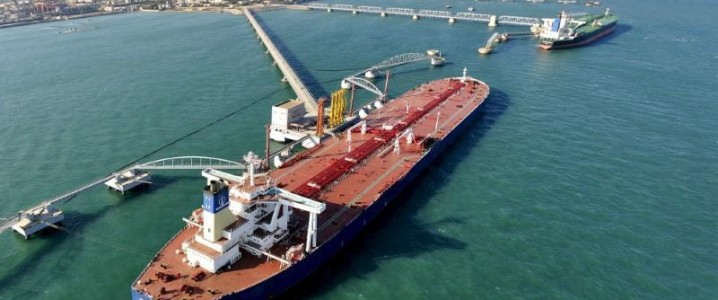
The so-called “shadow fleet” represents a critical, albeit opaque, component of Russia’s ability to finance its ongoing military operations. This armada comprises vessels operating under obscure ownership structures, meticulously designed to bypass Western services such as insurance, flagging, and logistics. This deliberate opaqueness has historically made direct penalties against the ultimate owners incredibly challenging. However, recent international efforts have demonstrated some success in sanctioning the ships themselves, rather than just their proprietors.
Sources familiar with internal White House discussions suggest that targeting this shadow fleet is perceived as a relatively straightforward and effective method to intensify economic pressure on Russia. A third source close to the administration confirms that a broader range of sanctions options, including measures against these elusive tankers, are currently under active review. The significant revenue generated from oil sales facilitated by this fleet serves as a vital funding stream for the Kremlin’s war chest, making it a compelling target for those seeking to cripple Russia’s military capabilities.
The Evolving Sanctions Landscape and Investor Implications
The United States already has a framework of sanctions in place from the previous administration, specifically targeting over 200 named Russian crude, chemical, and product tankers. President Trump has reportedly hesitated to expand these existing measures, holding out hope for a ceasefire in Ukraine. However, the rapidly approaching Friday deadline suggests a potential shift in this strategy. If enacted, these additional U.S. measures would significantly reinforce similar initiatives undertaken by the European Union. Just last month, the EU added over 100 ships to its own sanctions list, bringing its total to 415 vessels.
For energy investors, the prospect of expanded sanctions on Russia’s oil shipping capabilities introduces a fresh layer of uncertainty into an already volatile market. While Russia has successfully rerouted much of its crude to non-Western buyers, any disruption to its ability to transport that oil could tighten global supply, potentially driving crude prices higher. The effectiveness of these sanctions, however, remains a key question. Despite unprecedented levels of Western economic pressure, Moscow’s “Special Military Operation” in Ukraine has continued unabated, leading many to question the ultimate impact of such measures.
Moscow’s Unwavering Stance and the West’s Dilemma
The fundamental impasse between Moscow and Kyiv persists, leaving the West in a difficult position. From Russia’s perspective, a lasting resolution hinges on significant territorial concessions from Ukraine and an unequivocal, binding commitment to abstain from joining NATO. President Zelensky’s government, however, has steadfastly refused these demands, viewing them as unacceptable infringements on national sovereignty. This intractable geopolitical stalemate means that the West, despite having implemented a vast array of sanctions, increasingly finds itself without readily apparent “solutions” that could fundamentally alter Moscow’s strategic calculus.
The potential for new U.S. sanctions on the shadow fleet, therefore, represents another attempt to exert economic leverage, but its ultimate impact on the battlefield or at the negotiating table remains highly speculative. For investors, this situation underscores the ongoing influence of geopolitical events on commodity markets. Continued monitoring of diplomatic developments, particularly as the Friday deadline approaches, will be crucial for understanding the potential trajectory of crude oil prices and broader energy market stability. The complex interplay of political will, economic pressure, and military objectives ensures that oil and gas investing will remain closely tied to the shifting sands of international relations.