Minor Upgrade Drives Major Oil Cost Savings
In the fiercely competitive landscape of upstream oil and gas, operational efficiency isn’t just a buzzword; it’s a critical determinant of profitability and long-term investor value. Every component, no matter how seemingly minor, contributes to the delicate balance of production uptime and cost control. This reality was starkly illustrated at a remote Canadian facility, where a persistent issue with a foundational piece of equipment was significantly eroding margins. The resolution, a modest technological upgrade, didn’t just fix a problem; it unlocked substantial production gains and generated an impressive return on investment, offering a compelling case study for investors eyeing operational excellence.
The Indispensable Role of Production Separators
At the heart of most upstream petroleum operations lie production separators. These vessels are fundamental to processing raw well fluids, effectively disentangling the complex mixture of oil, water, and natural gas. Their function is deceptively simple: receive the multi-phase stream and separate it into distinct components for further processing and recovery. However, when these critical units falter, the repercussions can cascade throughout the entire production chain. Inefficient separation leads to lost product, contamination of downstream equipment, and often necessitates a severe reduction in well throughput to maintain any semblance of control. For investors, this translates directly into diminished revenue streams and inflated operational expenditures.
The core challenge in separator operation revolves around precise level control. Specifically, managing the oil-water interface within the vessel is paramount. If this interface drops too low, valuable oil can inadvertently exit with the water stream, representing direct product loss. Conversely, if the interface rises excessively, water can contaminate the oil stream destined for further processing, potentially damaging or fouling equipment not designed to handle aqueous content. Maintaining a stable interface is thus crucial for maximizing product recovery and ensuring the integrity of downstream assets.
A Canadian Facility’s Persistent Production Headaches
A specific remote well site in Alberta, Canada, found itself entangled in a cycle of operational inefficiency directly attributable to its primary oil separator. This facility was grappling with chronic reliability issues that significantly impacted its production capacity. The core of the problem lay with an aging pneumatic controller and its associated control valve, a system that had been in continuous operation for decades. This legacy equipment, while once state-of-the-art, was now a significant bottleneck, contributing to frequent process upsets.
The consequences for the Canadian operator were severe. The unreliable separator necessitated multiple service calls each month, draining maintenance budgets and diverting skilled personnel. More critically, to compensate for the erratic separation process and prevent widespread equipment fouling, the facility was forced to consistently curtail its well throughput. This meant less oil and gas reaching market, directly impacting the bottom line and representing a constant drag on the asset’s overall profitability. Investors understand that throttled production is a direct hit to revenue, making operational stability a top priority for asset managers.
Embracing Modern Control Technology for Enhanced Performance
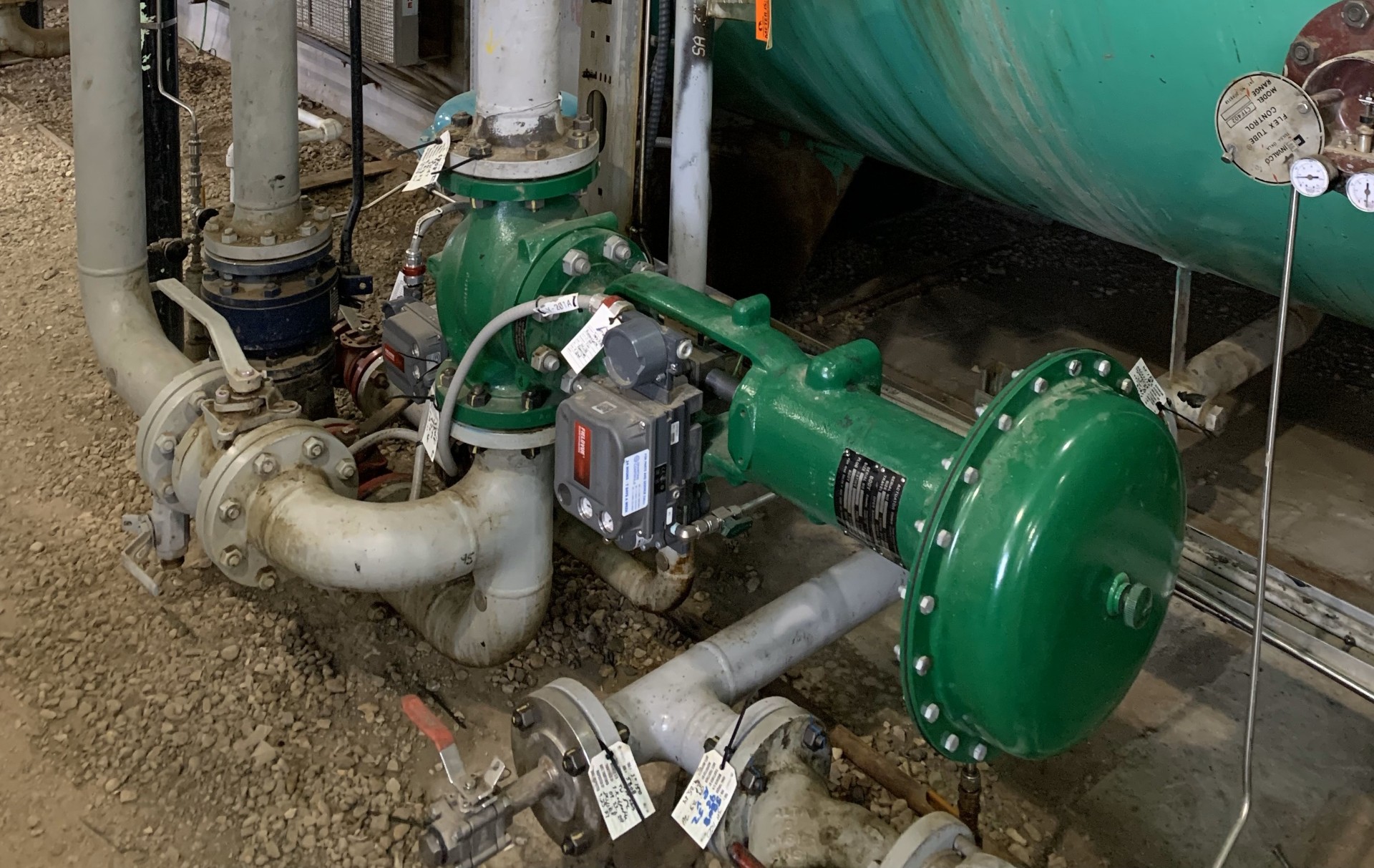
Recognizing the urgent need for a solution, the upstream facility opted for a strategic, yet relatively minor, instrumentation upgrade. They replaced the antiquated pneumatic control system with a modern digital alternative: the Fisher™ FIELDVUE™ L2t Liquid Level Controller from Emerson. This move represented a shift from reactive problem-solving to proactive operational optimization.
The installation process itself highlighted the cost-effectiveness and adaptability of the new technology. Designed as a direct, cost-efficient replacement for older pneumatic units, the L2t controller can be easily integrated into existing infrastructure. For horizontal separator vessels, it can be installed through a standard 2-inch port on the side. For vertical configurations, it offers top-mounted installation flexibility. This ease of deployment minimized downtime during the upgrade, allowing the facility to quickly transition to improved control without extensive modifications or prolonged production halts.
The digital controller offered a significant leap in precision and responsiveness compared to its pneumatic predecessor. It provided far more accurate and stable control of the oil-water interface, a critical factor in preventing both oil loss and water contamination. This enhanced stability meant the separator could consistently handle the incoming well fluids without needing to artificially reduce production rates.
Quantifying the Financial Windfall: A Rapid Payback Story
The impact of this seemingly minor upgrade was nothing short of transformative for the Canadian facility, translating directly into tangible financial benefits that would excite any investor. Prior to the upgrade, the erratic separator operation was conservatively estimated to be causing approximately $12,000 per month in lost production due to throughput curtailments. The new digital controller immediately eliminated this inefficiency, allowing the facility to restore full production capacity and capture that lost revenue.
Beyond the production gains, the maintenance burden was drastically reduced. The constant issues with the old pneumatic system required an average of two service calls per month just to keep the separator operational, equating to roughly 24 preventative or reactive interventions annually. Additionally, approximately one maintenance call per month, or 12 per year, was dedicated to addressing issues related to the outdated control valve. The stability and reliability of the new digital system virtually eliminated these frequent interventions, directly saving an estimated $2,000 per month in operational and maintenance costs.
Combining these figures, the facility realized a total monthly saving and revenue recovery of $14,000. Annually, this translates to an impressive $168,000 directly attributable to the controller upgrade. Given the relatively modest capital expenditure for such an upgrade, the return on investment was exceptionally swift, with a payback period estimated at less than two months. This rapid payout underscores the immense value of targeted operational improvements in the oil and gas sector.
Beyond Dollars: Broader Operational and Environmental Benefits
While the financial savings were compelling, the benefits extended well beyond the immediate return on investment. The improved precision and stability of the separation process led to a noticeable enhancement in product quality. With less water contaminating the oil stream, downstream processing equipment experienced significantly less fouling, reducing wear and tear, and extending maintenance intervals for other critical assets. This also contributed to a more consistent and higher-quality final product, which can command better pricing and reduce subsequent refining costs.
Furthermore, the enhanced control capabilities reduced the frequency of upset conditions that could lead to flaring events. By stabilizing the process, the facility minimized instances where excess gas had to be flared due to separation failures, contributing positively to environmental performance and regulatory compliance. This aligns with increasing investor scrutiny on Environmental, Social, and Governance (ESG) metrics within the energy sector.
For operational staff, the upgrade meant fewer stressful emergency calls and less time spent troubleshooting unreliable equipment. This not only improved overall worker safety by reducing exposure to hazardous conditions during maintenance but also freed up valuable personnel to focus on other critical aspects of facility optimization and preventive maintenance, rather than constant reactive repairs.
Strategic Implications for Energy Investors
This case study from a remote Alberta well site offers powerful insights for investors in the oil and gas sector. It highlights that significant value creation doesn’t always require massive capital projects or exploration breakthroughs. Often, substantial gains in profitability and efficiency can be unlocked through strategic, targeted investments in existing infrastructure and process control technologies.
The rapid payback period and ongoing monthly savings demonstrate the immense leverage that operational excellence provides. For investors, this underscores the importance of evaluating companies not just on their reserves or production volumes, but also on their commitment to continuous operational improvement, adoption of modern technologies, and ability to squeeze maximum value from every barrel produced. Companies that proactively identify and address these types of operational bottlenecks are better positioned for sustained profitability, reduced risk, and stronger ESG performance, ultimately enhancing long-term shareholder value in a dynamic energy market.


