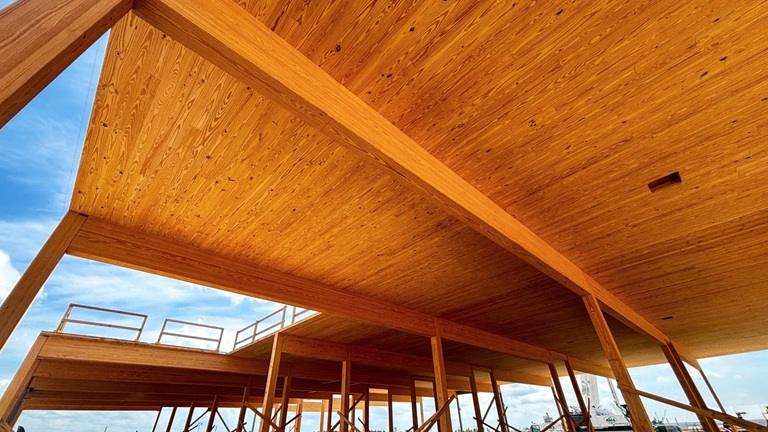
Meta’s Wood Build: Lower Industrial Energy Demand
The relentless pursuit of decarbonization within the tech sector is beginning to ripple through the global energy landscape, particularly impacting industrial demand for fossil fuels. In a significant strategic move, Meta, the parent company behind Facebook, Instagram, and WhatsApp, has initiated a novel construction program for its burgeoning data centers, pivoting towards mass timber to dramatically reduce the embodied carbon footprint of these critical infrastructure assets.
This shift represents more than just an environmental gesture; it signals a potential long-term contraction in demand for energy-intensive conventional building materials. Steel and concrete, foundational components of modern construction, carry substantial environmental burdens. According to the World Economic Forum, steel manufacturing alone accounts for approximately 7% of global carbon emissions, while cement production is responsible for a staggering 8%. These figures underscore the deep reliance of these industries on fossil fuels for process heat, raw material transformation, and transportation, making any significant shift away from them a direct concern for energy commodity markets.
Meta’s ambitious target to achieve net-zero emissions across its entire value chain by 2030 is driving this innovation. The company faces a formidable challenge: balancing rapid infrastructure expansion to support the explosive growth of artificial intelligence with its stringent environmental commitments. AI’s escalating computational demands necessitate an ever-increasing fleet of data centers, each requiring substantial energy for both its construction and operation. While the operational energy demand for AI remains a key area of focus for energy providers, Meta’s timber initiative directly addresses the “embodied” carbon locked within the materials themselves.
Mass Timber: A Strategic Material for the New Economy
The alternative material Meta is championing, mass timber, is an engineered wood product recognized for its exceptional strength, durability, and significantly lower embodied carbon footprint compared to steel and concrete. Products like glue-laminated beams (glulam) fall under this category. Studies indicate that substituting traditional building materials with mass timber can slash embodied carbon by approximately 41%. Beyond its environmental advantages, mass timber often arrives on-site pre-fabricated, which streamlines construction timelines and further reduces on-site emissions and energy consumption associated with traditional building processes.
The rollout of this strategy is already underway. Meta inaugurated its first administrative building utilizing mass timber at its South Carolina data center campus this year, sourcing materials from SmartLam. Further mass timber structures are slated for construction through 2025 in key development hubs, including Cheyenne, Wyoming, and Alabama. These geographic expansions highlight a broader industrial shift that could influence regional energy consumption patterns and local supply chains.
Ensuring the sustainability of this timber supply is paramount. Meta mandates rigorous third-party audits to trace wood back to forests managed for long-term ecological and social health. The company prioritizes suppliers who adhere to climate-smart forestry practices and also explores the viability of reclaimed wood where structural integrity permits. This emphasis on sustainable sourcing could spur investment in responsible forestry and timber processing industries, creating new economic opportunities while potentially reducing reliance on traditional, more carbon-intensive material supply chains.
Broader Industry Trends and Investor Implications
Meta is not alone in recognizing the strategic value of sustainable construction. Microsoft, another technology giant with extensive data center operations, has also recently announced its exploration into using wood products in data center construction to mitigate its own carbon footprint. This synchronized movement by major tech players underscores a burgeoning trend that warrants close attention from energy investors and commodity analysts.
For the oil and gas sector, these developments present a nuanced outlook. While the operational energy demand of data centers, particularly those powering AI, is projected to surge, potentially increasing demand for electricity (and by extension, the fuels that generate it), the shift in construction materials offers a counteracting force. A widespread adoption of mass timber could gradually erode demand for metallurgical coal, natural gas used in industrial heat processes for steel and cement, and the diesel fuel consumed in heavy construction machinery. Investors in traditional industrial material producers, such as cement manufacturers and steelmakers, must closely monitor these trends, as their long-term growth trajectories could be impacted by such material substitution.
Conversely, the rise of the “green build” economy presents new opportunities. Companies involved in sustainable forestry, engineered wood product manufacturing, and advanced pre-fabrication techniques stand to benefit. For energy companies, this evolving landscape necessitates adaptability, with a growing emphasis on renewable energy solutions for the operational demands of data centers, even as the embodied carbon footprint of their physical structures shrinks. The ongoing energy transition continues to reshape industrial demand curves, and Meta’s mass timber initiative is a clear signal of where capital and innovation are flowing in the pursuit of a lower-carbon future.


