Renewables Triple Pledge Falters: Sustained Demand for Oil & Gas Takes Center Stage
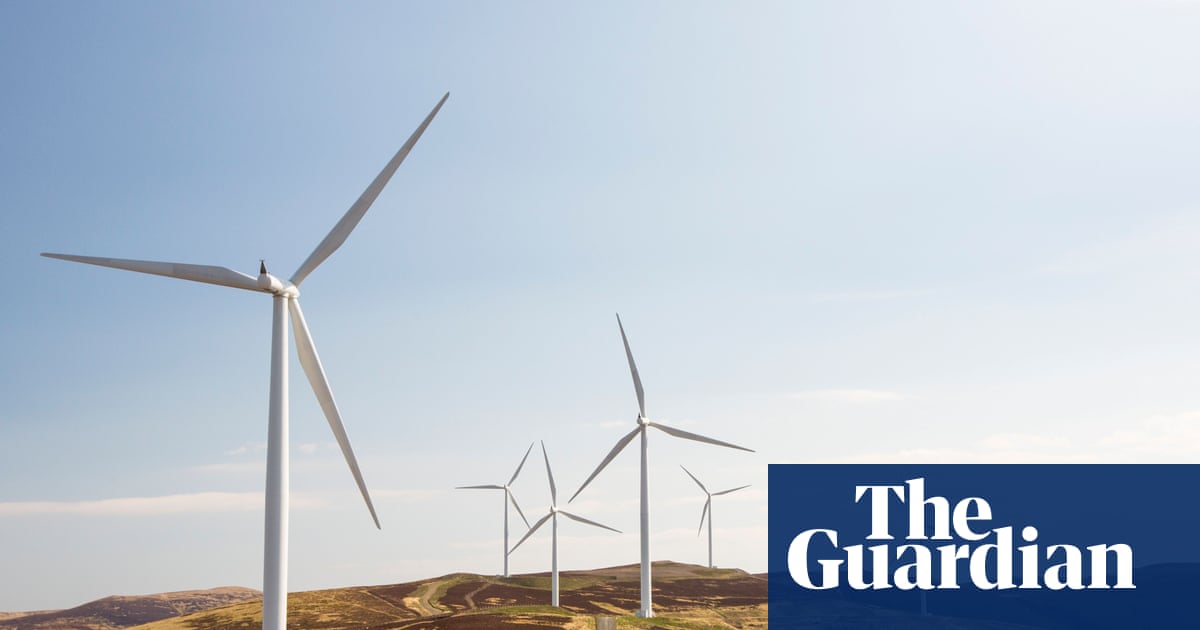
The ambitious global pledge made at COP28 to triple worldwide renewable energy capacity by 2030 is currently on a path to significant underachievement. A recent comprehensive analysis reveals a stark divergence between political ambition and practical implementation, with the vast majority of nations failing to enact the necessary policy changes. This shortfall presents a critical inflection point for the oil and gas sector, signaling a more sustained reliance on traditional hydrocarbons than previously envisioned by green energy advocates, and creating a compelling case for continued investor focus on resilient energy assets.
The Renewable Reality Check: Ambition Versus Action
Despite the landmark COP28 agreement, which saw over 130 nations commit to an 11-terawatt (TW) global renewable capacity target by the decade’s end, the collective progress is alarmingly slow. The assessment found that only 22 countries, predominantly within the European Union, have actually bolstered their national renewable energy targets since the Dubai talks. This collective inaction means global national commitments have seen a mere 2% uptick from their COP28 levels. Current trajectories suggest that the world is on track to potentially double renewable capacity to 7.4 TW by 2030, but this figure falls significantly short of the 11 TW required to meet the tripling objective.
Crucially, major energy powerhouses like the United States, China, and Russia, collectively responsible for nearly half of global carbon emissions, have largely maintained their pre-pledge targets or, in some cases, lack specific 2030 renewable energy goals altogether. Furthermore, some nations like Mexico and Indonesia, which initially signed the pact, have subsequently diluted their clean energy ambitions. While countries like Vietnam, Australia, and Brazil have shown notable increases in their renewable pledges (86 GW, 18 GW respectively), their individual contributions, while positive, are insufficient to offset the broader global inertia. This widespread failure to accelerate renewable deployment underscores a fundamental challenge in the energy transition narrative: the practical difficulties and political complexities of rapidly scaling clean energy infrastructure on a global scale, thereby solidifying the foundational role of fossil fuels for the foreseeable future.
Market Dynamics and Investor Sentiment Amidst Sustained Demand
The persistent underperformance in renewable deployment inevitably translates into sustained demand for traditional energy sources, a reality reflected in recent market movements and investor inquiries. As of today, Brent crude trades at $90.38 per barrel, experiencing a notable daily dip of 9.07%. Similarly, WTI crude stands at $82.59, down 9.41% within the same trading session. Gasoline prices have also reacted, currently at $2.93, a 5.18% decrease. While these daily fluctuations can be influenced by immediate geopolitical or inventory news, the broader 14-day trend for Brent shows a significant correction, moving from $112.78 on March 30th to $91.87 yesterday, representing an 18.5% decline over that period.
This volatility naturally fuels investor questions, with many of our readers actively asking about the projected price of oil per barrel by the end of 2026, or seeking insights into specific company performance, such as Repsol’s outlook for April. The underlying message from the stalled renewables agenda is clear: structural demand for hydrocarbons will remain a fundamental driver, tempering the impact of short-term price swings and supporting longer-term price floors. Another frequent query revolves around OPEC+ current production quotas, highlighting the market’s constant vigilance on supply-side management. The sustained interest in these core O&G metrics underscores a market that recognizes the enduring importance of traditional energy sources.
Key Players and Upcoming Catalysts
The trajectory for global energy consumption, and consequently for oil and gas demand, will largely hinge on the decisions of a few critical nations and upcoming market events. China, as the world’s largest energy consumer, stands at a pivotal juncture. Beijing is expected to finalize its 15th five-year plan for energy later this year, covering the period 2026-2030. This plan holds immense weight, as it will dictate China’s energy strategy and investment priorities for the latter half of the decade. Any significant shift, or lack thereof, will have global repercussions for both renewables and fossil fuels. Meanwhile, India, despite its clean energy targets remaining unchanged, is already on track to build 500 GW of renewables by 2030, a target largely aligned with the global tripling goal, demonstrating a rare alignment of ambition and execution.
For the immediate future, market participants will be closely watching a series of upcoming events that could influence near-term supply and demand dynamics. The OPEC+ Joint Ministerial Monitoring Committee (JMMC) meeting on April 18th, followed by the full Ministerial meeting on April 19th, will provide crucial insights into production policy. These meetings could influence near-term supply expectations, especially against the backdrop of sustained demand indicated by the renewables shortfall. Further data points like the API and EIA Weekly Crude Inventory reports on April 21st, 22nd, 28th, and 29th, alongside the Baker Hughes Rig Count on April 24th and May 1st, will offer granular views on supply-demand balances and drilling activity, providing a fuller picture of the market’s health and investment opportunities.
Navigating the Enduring Oil & Gas Investment Landscape
For investors evaluating the oil and gas sector, the implications of the renewables pledge shortfall are profound. It suggests that narratives predicting a rapid demise of fossil fuel demand by 2030 are premature and potentially misinformed. Instead, a more pragmatic view emerges: sustained demand for hydrocarbons provides a longer runway for profitability across the exploration and production (E&P), midstream, and downstream segments. Companies with robust balance sheets, efficient operations, and strategic asset bases are well-positioned to capitalize on this enduring demand, offering compelling value propositions.
The ongoing need for energy security, coupled with the practical challenges of scaling renewable infrastructure at the required pace, solidifies the foundational role of oil and gas for at least the remainder of this decade. Investors should therefore consider allocating capital to firms that demonstrate resilience, cost leadership, and a clear strategy for optimizing existing assets while selectively pursuing new, high-return opportunities. The energy transition is undeniably underway, but its pace is proving slower and more complex than many policy pronouncements suggest, ensuring a persistent and significant role for traditional energy in the global mix and presenting a durable investment thesis for the oil and gas sector.


