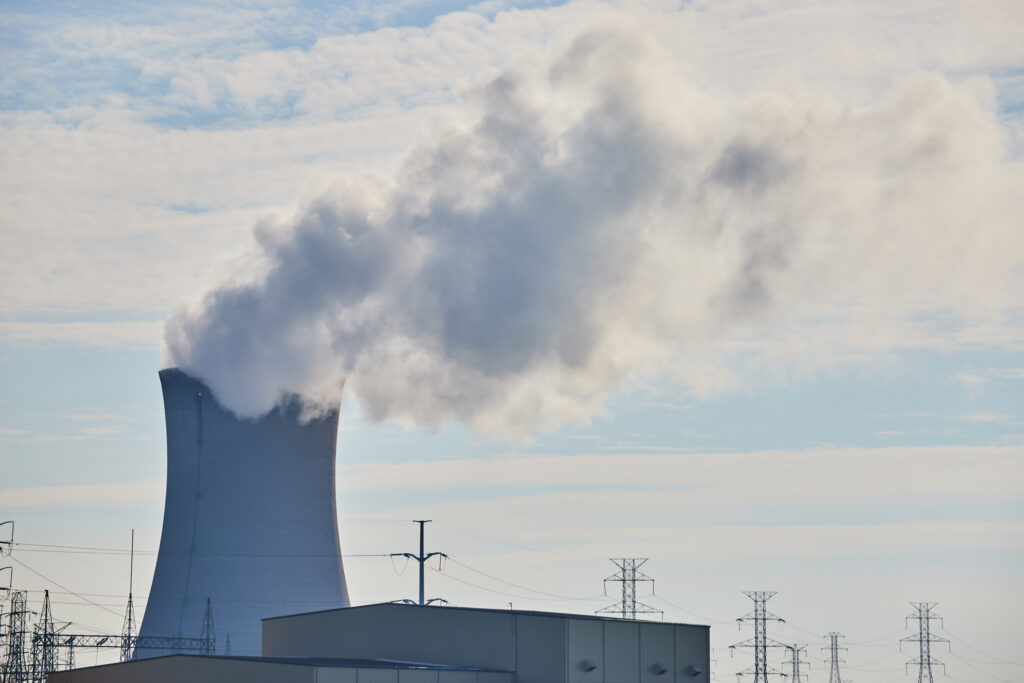
The energy landscape is perpetually in flux, but few shifts carry the profound implications of a nuclear power renaissance. For years, the narrative around electricity generation in the U.S. has centered on a transition dominated by natural gas and renewables. However, recent developments, spearheaded by the unexpected restart of decommissioned nuclear facilities, are challenging this paradigm. This resurgence in nuclear capacity presents a significant new variable for oil and gas investors, particularly impacting the demand outlook for natural gas in power generation and introducing a fresh layer of complexity to market forecasts. Understanding this evolving dynamic is crucial for strategic portfolio positioning in the coming years.
The Unexpected Nuclear Renaissance Takes Hold
A notable shift in the U.S. energy sector is underway, with nuclear power plants, once destined for the scrapyard, now being given a second life. A prime example is the 800-MW Palisades nuclear plant in Michigan, which recently received crucial licensing and regulatory approvals from the U.S. Nuclear Regulatory Commission. This unprecedented move, led by Holtec International, positions Palisades to restart operations later this year, making it the first U.S. nuclear plant to be brought back online after decommissioning. The approvals cover everything from receiving new fuel to transitioning licensed reactor operators back to active status, although additional regulatory hurdles remain before the plant can fully resume power generation under its license, which is valid until March 24, 2031.
This isn’t an isolated incident. With electricity demand on the rise, other operators are following suit. Constellation Energy, backed by a 20-year power purchase agreement with Microsoft, announced plans last September to restart the 835-MW reactor at Three Mile Island, now rebranded as the Crane Clean Energy Center, by 2028. Similarly, NextEra Energy is exploring options to bring back its 600-MW Duane Arnold nuclear plant in Iowa, which ceased operations in 2020. This collective push to reactivate substantial nuclear capacity underscores a growing recognition of nuclear’s role as a reliable, carbon-free baseload power source, directly challenging the anticipated growth trajectory for natural gas in the U.S. power mix.
Direct Implications for Natural Gas Power Demand
The reintroduction of significant nuclear capacity directly competes with natural gas for electricity generation market share. Consider the combined capacity of these three plants: 800 MW from Palisades, 835 MW from Three Mile Island, and 600 MW from Duane Arnold totals approximately 2,235 MW. To put this into perspective, a single megawatt of nuclear power operating at a high capacity factor can displace a substantial amount of natural gas that would otherwise be burned to generate the same electricity. Assuming these plants operate at a conservative 90% capacity factor, they could collectively generate over 17.6 million megawatt-hours annually. This is energy that would typically be sourced from natural gas-fired plants, especially during peak demand or when renewable intermittency requires firming.
For natural gas producers and midstream infrastructure companies, this represents a structural headwind for domestic power demand. While LNG exports continue to be a significant growth driver, any erosion of domestic consumption, particularly from a traditionally stable sector like power generation, warrants close attention. This nuclear revival could mute the expected growth in U.S. natural gas demand, potentially impacting regional gas prices and the profitability of producers heavily reliant on the domestic market. Investors must factor this into their long-term supply/demand models and assess the exposure of their portfolios to companies with significant ties to U.S. gas-fired electricity generation.
Navigating Market Volatility and Investor Uncertainty
The re-emergence of nuclear power adds another layer of complexity to an already volatile energy market. As of today, Brent crude trades at $94.88 per barrel, marking a 0.63% decline, with WTI crude settling at $86.53, down 1.02% within a day range of $85.50-$86.78. This recent weakness follows a significant downturn over the past 14 days, with Brent shedding nearly 20% from $118.35 on March 31st to $94.86 yesterday. Such price fluctuations naturally lead to heightened investor anxiety.
Our proprietary reader intent data confirms this sentiment, showing investors are actively questioning the immediate trajectory of WTI and frequently asking about predictions for crude oil prices by the end of 2026. While geopolitical tensions and OPEC+ decisions remain primary drivers for crude prices, the nuclear resurgence introduces a long-term demand variable that could influence broader energy market stability. A robust, carbon-free baseload supply reduces reliance on fossil fuels for grid reliability, potentially easing some demand pressure on natural gas and, by extension, reducing fuel switching incentives for oil in power generation. Investors must consider how these fundamental shifts in the power stack contribute to the overall supply/demand balance and, consequently, future price discovery across the energy complex.
Strategic Adjustments for Oil & Gas Portfolios
For oil and gas investors, the nuclear comeback necessitates a re-evaluation of current strategies and a forward-looking perspective. The next few weeks will offer crucial insights into market sentiment and supply-demand fundamentals. Tomorrow, April 21st, the OPEC+ JMMC Meeting will convene, where members will assess market conditions and potentially discuss production policies. Any decisions here will be made against a backdrop of evolving global energy supply, now including the prospect of increased nuclear output.
Further clarity will come from the EIA Weekly Petroleum Status Reports on April 22nd and April 29th, followed by the comprehensive EIA Short-Term Energy Outlook on May 2nd. These reports will be critical for updating demand forecasts, which will now increasingly need to account for the growing nuclear contribution to the grid. Additionally, the Baker Hughes Rig Count on April 24th and May 1st will indicate how U.S. producers are adjusting their drilling activity, potentially reflecting revised expectations for natural gas demand.
Savvy investors should consider diversifying portfolios to mitigate potential risks associated with reduced domestic natural gas demand. Companies with strong LNG export capabilities or those involved in value-added products derived from natural gas may prove more resilient. Furthermore, exploring opportunities in carbon capture, utilization, and storage (CCUS) or hydrogen production could offer avenues for growth as the energy transition accelerates. The nuclear renaissance isn’t a silver bullet for the energy crisis, but it is a potent, underappreciated force reshaping the competitive landscape for traditional fossil fuels, demanding a proactive and informed investment approach.