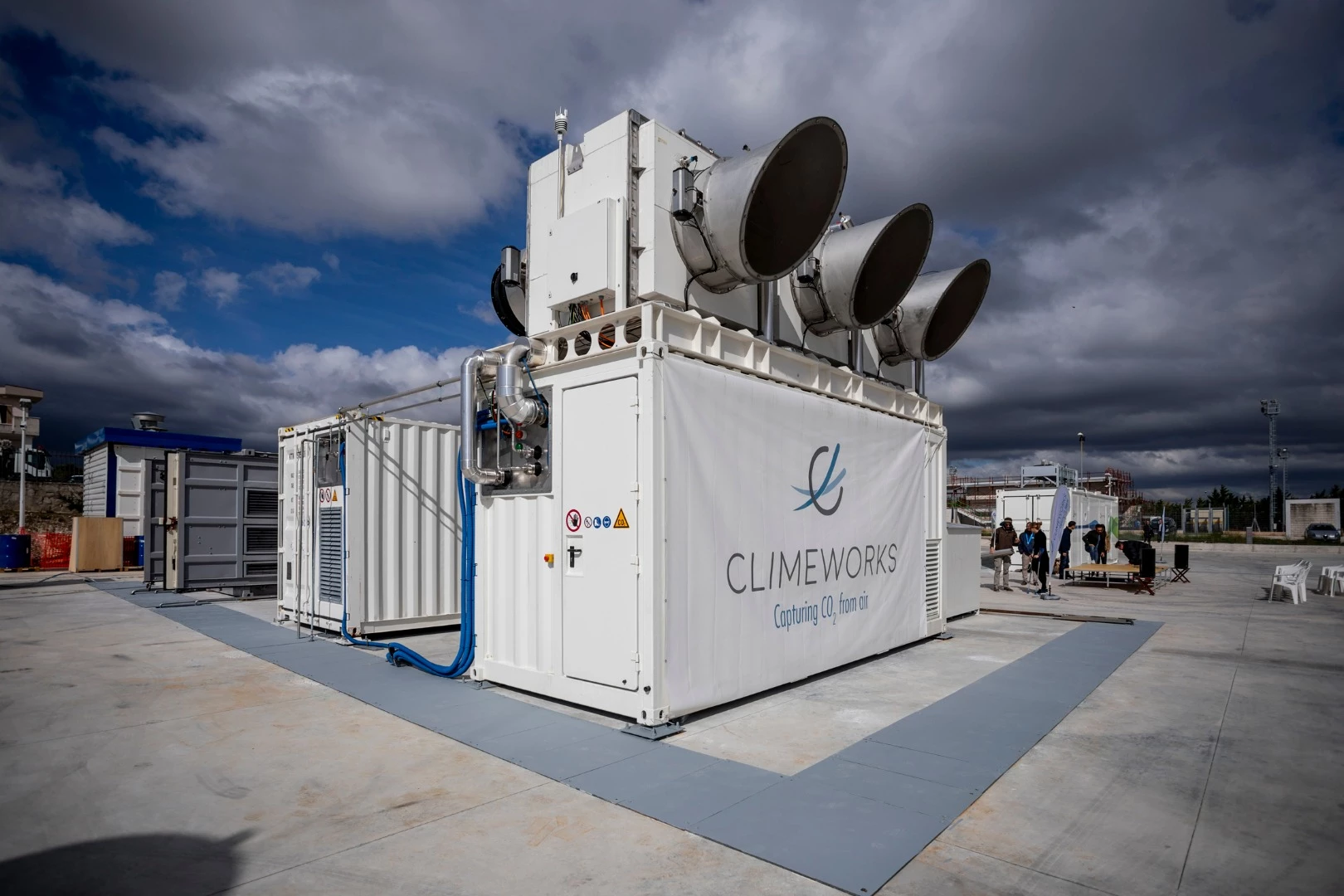
Saudi Arabia’s inauguration of its first Direct Air Capture (DAC) demonstration unit marks a pivotal moment, not just for the Kingdom’s climate ambitions but for global energy investors seeking new opportunities in the evolving carbon market. This isn’t merely a technological experiment; it’s a strategic move that aligns with the nation’s broader economic diversification under Vision 2030, signaling a serious commitment to establishing a new industrial frontier. For astute investors, this initiative highlights the burgeoning potential of carbon removal technologies and the development of localized supply chains, offering a compelling alternative to traditional energy plays.
Pioneering Carbon Capture in Arid Environments
The operational launch of the DAC unit in Riyadh, a collaboration between the Ministry of Energy, KAPSARC, and Climeworks, represents a critical step in de-risking carbon removal technologies for challenging climates. Deploying a mobile unit in Riyadh’s hot and arid conditions provides invaluable data, informing future large-scale deployments globally. This project is far from a standalone effort; it’s a foundational component of Saudi Arabia’s ambitious target to capture and utilize up to 44 million tonnes of CO₂ annually by 2035. This massive scale underscores the Kingdom’s intent to not just meet net-zero targets but to foster an entirely new industrial ecosystem centered on carbon management. Investors should recognize this as a long-term play on infrastructure, technology, and carbon credit markets, leveraging Saudi Arabia’s abundant renewable energy resources and strategic location to build a competitive advantage in a nascent but critical sector.
Navigating Volatile Markets: DAC as a Strategic Diversifier
In an energy landscape characterized by inherent volatility, strategic investments in technologies like DAC offer a compelling diversification thesis. As of today, Brent crude trades at $90.38 per barrel, marking a significant 9.07% decline today, with WTI following suit at $82.59, down 9.41% from its open. This recent downward pressure continues a noticeable trend; Brent crude has shed over 18% in the past two weeks alone, falling from $112.78 on March 30th to $91.87 just yesterday. This short-term market turbulence underscores the long-term value of initiatives that decouple economic growth from solely hydrocarbon exports. For a major energy producer, investing heavily in carbon capture isn’t just about environmental stewardship; it’s about building resilience, creating new revenue streams, and attracting capital in a world increasingly scrutinizing carbon footprints. This DAC launch positions Saudi Arabia not just as a traditional energy leader, but as an emerging player in the circular carbon economy, offering a hedge against future demand shifts and carbon pricing mechanisms.
Upcoming Catalysts and the Evolving Carbon Landscape
While the immediate focus for many oil investors remains on supply-side dynamics, particularly with critical events on the horizon like the OPEC+ Joint Ministerial Monitoring Committee (JMMC) meeting tomorrow, April 18th, followed by the full Ministerial meeting on April 19th, strategic carbon initiatives signal a broader, long-term shift. These discussions will largely shape short-term crude production quotas and market sentiment. However, the Saudi DAC project represents a commitment to a future where carbon management generates significant value, a strategic pivot that will increasingly factor into global energy dialogues, even at events primarily focused on crude oil. Beyond the immediate OPEC+ outcomes, weekly data points such as the API and EIA inventory reports (due April 21st/22nd and April 28th/29th) provide glimpses into demand, but the DAC initiative showcases a nation investing in a future where carbon removal itself becomes an economic activity, potentially leading to the development of robust, tradable carbon credit markets that could rival traditional commodities in terms of investment interest over the coming decades.
Addressing Investor Concerns: Beyond Crude Prices
Our proprietary reader intent data consistently reveals a strong desire among investors to understand future oil price trajectories – “what do you predict the price of oil per barrel will be by end of 2026?” is a frequent query, along with questions about current OPEC+ production quotas. While these are critical considerations for short-term and medium-term portfolio positioning, strategic investments like DAC offer a parallel, long-term avenue for value creation that is less tethered to daily crude swings. The Saudi DAC initiative directly addresses this by building an entirely new industry. By localizing the supply chain for DAC components and materials, the Kingdom is not only securing its future carbon management capabilities but also fostering economic diversification, creating jobs, and attracting capital into new industrial sectors. This strategy offers investors exposure to a growth market that stands to benefit from increasing global demand for decarbonization solutions, providing a different kind of stability and growth potential compared to the cyclical nature of traditional oil and gas exploration and production.


