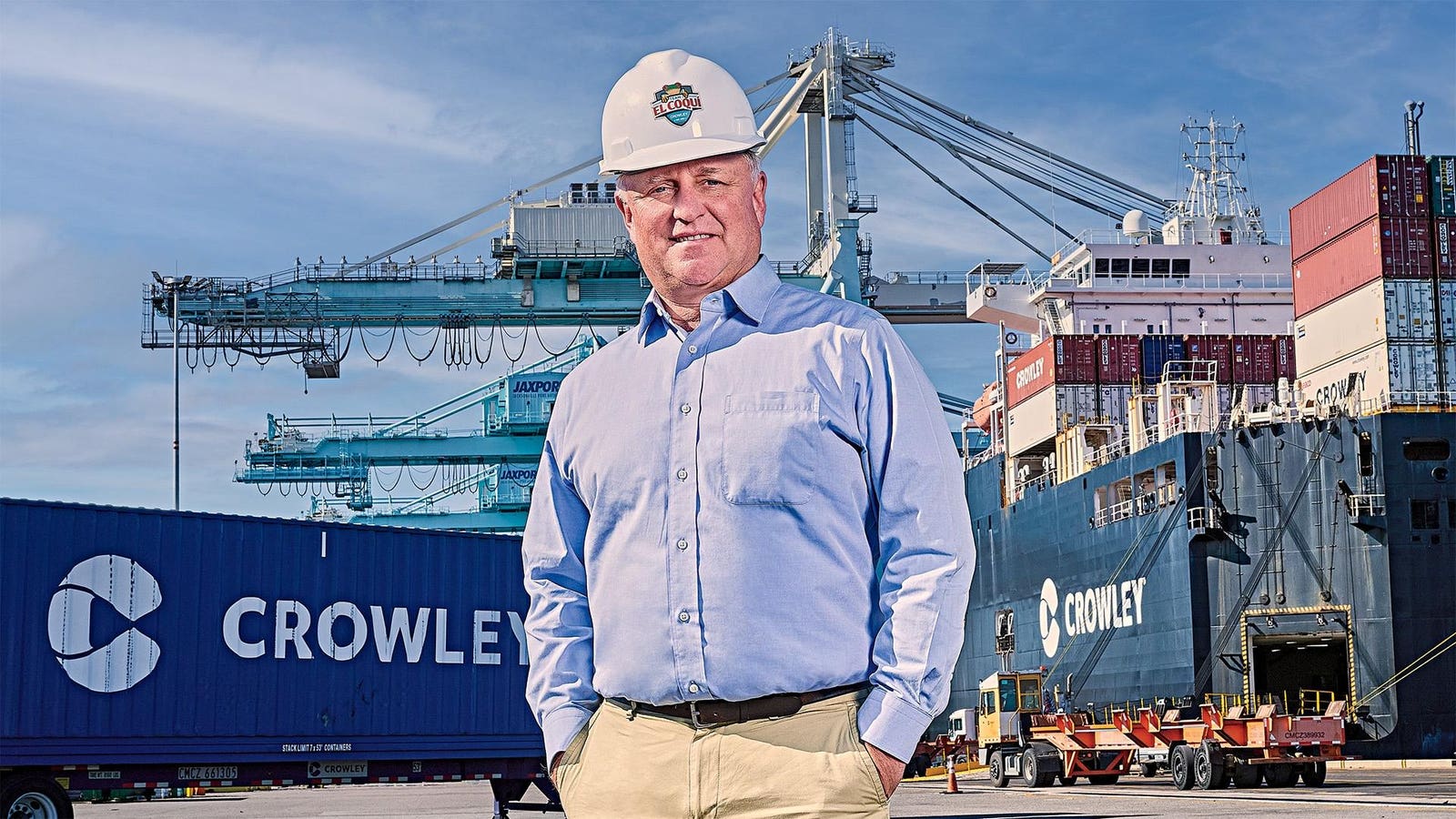
In the dynamic and often tumultuous world of oil and gas investing, identifying resilient business models is paramount. Global energy markets are perpetually swayed by geopolitical shifts, supply-demand imbalances, and evolving regulatory landscapes. Yet, certain segments demonstrate remarkable stability, often by operating within carefully constructed economic moats. A close examination of the domestic shipping sector, particularly its navigation of protectionist legislation, offers a compelling blueprint for how oil and gas investors can identify and capitalize on similar opportunities for stability and sustained value creation.
The Regulatory Moat: A Shield Against Global Volatility
The U.S. Merchant Marine Act of 1920, commonly known as the Jones Act, mandates that vessels transporting goods between U.S. ports must be built in America, crewed by U.S. citizens, and fly the American flag. This formidable regulatory barrier effectively insulates domestic maritime operators from the fierce competition of global shipping giants, creating a unique and highly protected market. For oil and gas investors, this scenario highlights the immense value of businesses operating within similar regulatory or infrastructural moats. Such protection allows companies to command premium pricing and maintain more predictable revenue streams, even when the broader energy market faces significant headwinds.
Consider the current market environment: as of today, Brent crude trades at $90.38 per barrel, reflecting a nearly 9.07% intraday drop and an 18.5% decline over the past two weeks from its $112.78 peak on March 30th. WTI crude has followed a similar trajectory, currently at $82.59, down 9.41% today. This stark volatility underscores the appeal of business models insulated by strong regulatory frameworks. While global crude prices gyrate, the demand for domestic energy transport and infrastructure, particularly for critical supplies like liquefied natural gas (LNG) to U.S. territories, remains steadfast. This insulated demand stream offers a stark contrast to the speculative nature of international oil trading, providing a compelling case for considering assets with similar structural advantages.
Strategic Asset Deployment and Domestic LNG Imperatives
The ingenuity demonstrated by domestic shipping leaders in leveraging regulatory nuances — such as acquiring and refurbishing a 1994-built tanker to qualify for Jones Act trade, thereby enabling a vital 35 million-gallon LNG delivery to Puerto Rico — provides valuable lessons for the oil and gas sector. This approach underscores the strategic importance of repurposing existing assets and finding creative solutions to meet critical domestic energy needs. For investors, this translates into seeking out companies that not only benefit from regulatory protection but also demonstrate a keen ability to optimize their asset base for long-term, stable contracts within secure supply chains.
Our proprietary investor sentiment data indicates a strong interest in understanding the long-term trajectory of oil prices, with many asking “what do you predict the price of oil per barrel will be by end of 2026?” While global crude prices are subject to numerous geopolitical and economic factors, the demand for domestic LNG, particularly for power generation in regions like Puerto Rico, presents a distinct investment thesis. These localized, demand-driven energy segments, often underpinned by long-term supply agreements and a limited pool of compliant operators, can offer more predictable returns compared to the more volatile global export market. Investors should look for opportunities in U.S. domestic LNG infrastructure, transportation, and distribution, where the focus is on reliable supply to captive markets rather than purely on arbitrage against international benchmarks.
Navigating Near-Term Volatility: A Blueprint for O&G Investment
The principle of building resilience through strategic positioning extends far beyond shipping. In the broader oil and gas landscape, investors can identify similar opportunities in areas like domestic midstream infrastructure, specialized field services, and energy infrastructure projects critical for national energy security. These segments often exhibit characteristics akin to the protected shipping market: high barriers to entry, long-term contracts, and a vital role in maintaining essential services.
The coming weeks are set to test the global oil markets significantly. With crucial OPEC+ Joint Ministerial Monitoring Committee (JMMC) and full Ministerial Meetings scheduled for April 18th and 19th respectively, followed by weekly API and EIA inventory reports, and the Baker Hughes Rig Count, global crude markets are poised for considerable shifts. Many investors are keenly focused on “what are OPEC+ current production quotas?” and how these decisions will impact global supply. While these events will undoubtedly dictate the near-term trajectory of global benchmarks, the blueprint from the domestic shipping sector suggests that investors seeking stability might consider how domestic infrastructure plays, fortified by regulatory advantages or essential service requirements, could offer a buffer against these macroeconomic forces. Investing in companies that operate within such protected ‘swim lanes’ can provide a degree of insulation from the immediate ripples of international policy decisions and market fluctuations.
Identifying Moats Beyond Shipping in the O&G Value Chain
The lessons from a highly protected shipping sector serve as a powerful analogy for identifying robust investment opportunities across the oil and gas value chain. Investors should actively seek out companies that possess inherent competitive advantages, whether through regulatory protection, unique technological capabilities, or strategic control over critical infrastructure. This could include pipeline operators with monopolistic routes, specialized drilling or completion service providers for niche unconventional plays, or even utilities involved in natural gas distribution to growing domestic markets.
Ultimately, the objective is to uncover businesses that can consistently generate cash flow and deliver shareholder value regardless of short-term commodity price swings. By adopting a ‘shipping resilience’ mindset – prioritizing strategic positioning, understanding regulatory frameworks, and focusing on essential domestic energy needs – oil and gas investors can construct portfolios designed to thrive not just in boom times, but also to weather the inevitable storms of market volatility.