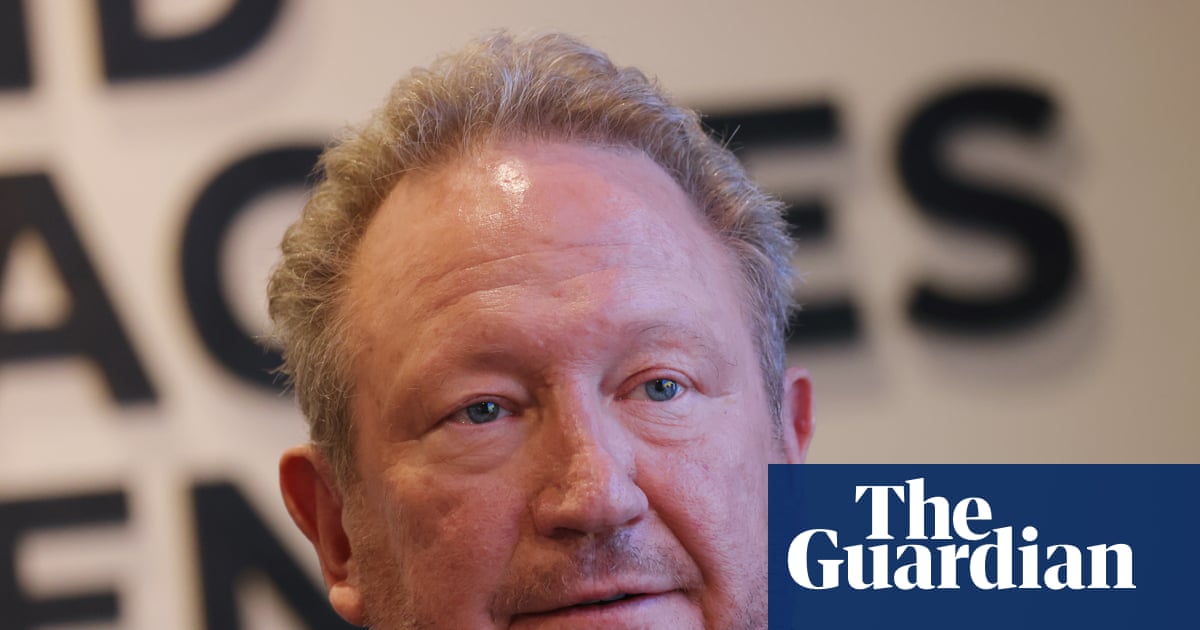
The recent decision by Fortescue, an established titan in the commodities sector, to cancel two significant green hydrogen projects signals a critical inflection point for the nascent clean energy industry. The company explicitly cited a “shift in policy priorities away from green energy” in the United States as a primary driver for abandoning its reported US$550 million Arizona production plans. Concurrently, Fortescue scrapped its Gladstone PEM50 project in Queensland, slated to produce up to 8,000 tonnes of green hydrogen annually, attributing this to a strategic realignment towards advancing low-cost hydrogen technologies within Australia. These cancellations, far from isolated incidents, underscore the formidable challenges confronting green hydrogen’s commercial viability and scalability, prompting a necessary re-evaluation for investors navigating the complex energy transition landscape.
Policy Uncertainty Casts a Long Shadow Over Green Ambitions
Fortescue’s decision to halt its Arizona venture highlights the profound impact of policy instability on large-scale renewable energy investments. The company’s chief executive of growth and energy noted that a “lack of certainty and a step back in green ambition” has made previously feasible projects difficult to proceed with. This sentiment resonates deeply with investors who rely on predictable regulatory environments and consistent incentive structures to underpin long-term capital commitments. The US policy landscape, particularly concerning renewables and climate initiatives, has historically been subject to shifts with changes in administration, creating an inherent risk premium for projects with multi-year development cycles. For the Gladstone project, the rationale was a strategic pivot, moving away from a focus on electrolyser manufacturing to concentrate on developing innovative technologies aimed at significantly reducing the cost of green hydrogen production. This suggests a recognition within Fortescue that current production methods, even with policy support, may still face economic hurdles that necessitate technological breakthroughs.
Green Hydrogen: Separating Realistic Applications from Overhyped Speculation
The Fortescue announcement comes amidst growing scrutiny of green hydrogen’s practical applications and economic feasibility. Industry analysts have pointed to an overabundance of hype surrounding the technology, with politicians and policymakers often distracted by “nonsensical uses” like household heating or blending hydrogen into natural gas distribution networks. Our proprietary reader intent data reveals a keen interest from investors in understanding the long-term price trajectory of oil and the broader energy market, which naturally informs their view on alternative fuels. The economic reality is that for green hydrogen to compete effectively, its production and distribution costs must fall dramatically, and its application must be strategically targeted where it offers clear advantages. Experts advocate for focusing subsidies and development efforts on “sensible” uses where green hydrogen can genuinely displace fossil-fuel-derived hydrogen, such as in fertilizer production or steel manufacturing, where its zero-emission profile offers significant environmental benefits. This critical distinction between speculative and practical applications is vital for investors seeking to identify truly sustainable and profitable opportunities within the green energy sector.
Macro Energy Headwinds and the Competing Pull of Traditional Fuels
The backdrop against which Fortescue made its decision is a dynamic global energy market. As of today, Brent crude trades at $90.38, reflecting a significant daily decline of 9.07%, with its range today spanning $86.08 to $98.97. This sharp downturn is part of a broader trend; over the past 14 days, Brent has shed 18.5% of its value, falling from $112.78 on March 30th to $91.87 on April 17th. Similarly, WTI crude sits at $82.59, down 9.41% today. Such pronounced volatility and a significant downward trend in traditional crude prices inevitably influence the economic calculus for costly alternative energy projects. Lower oil prices reduce the immediate competitive pressure on fossil fuels, thereby diminishing the economic urgency and attractiveness of higher-cost green alternatives, particularly those still heavily reliant on subsidies and a supportive policy environment. This dynamic exacerbates the impact of policy uncertainty, making the investment case for green hydrogen more challenging without robust, stable governmental backing. Investors are actively seeking clarity on the future direction of oil prices, a common query among our readers, highlighting the continued dominance of traditional energy market fundamentals in shaping broader investment sentiment.
Navigating the Future: Policy Clarity and Strategic Pivots
Looking ahead, the trajectory of green hydrogen investments will be heavily influenced by both policy consistency and continued technological innovation aimed at cost reduction. Fortescue’s commitment to advancing its green metals project in the Pilbara, alongside its stated focus on “low cost hydrogen for green industry in Australia,” indicates a strategic pivot rather than a complete retreat from the green energy space. This disciplined approach underscores the necessity for realism in a sector often prone to inflated expectations. On the broader energy calendar, the upcoming OPEC+ Joint Ministerial Monitoring Committee (JMMC) and full Ministerial meetings on April 18th and 19th, respectively, will be closely watched by investors. While these events directly address crude oil production quotas, their outcomes will significantly impact global oil supply and price stability, thereby indirectly influencing the competitive landscape for all alternative energy sources. Further insights into traditional energy market health will arrive with the API and EIA weekly crude inventory reports on April 21st and 22nd. Investors are keenly interested in OPEC+’s current production quotas, reflecting a desire for market stability, which in turn provides a more predictable environment for evaluating the long-term viability of green energy projects. For green hydrogen to truly flourish, a stable policy framework that withstands political cycles, coupled with relentless pursuit of cost efficiencies, remains paramount.