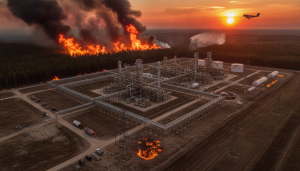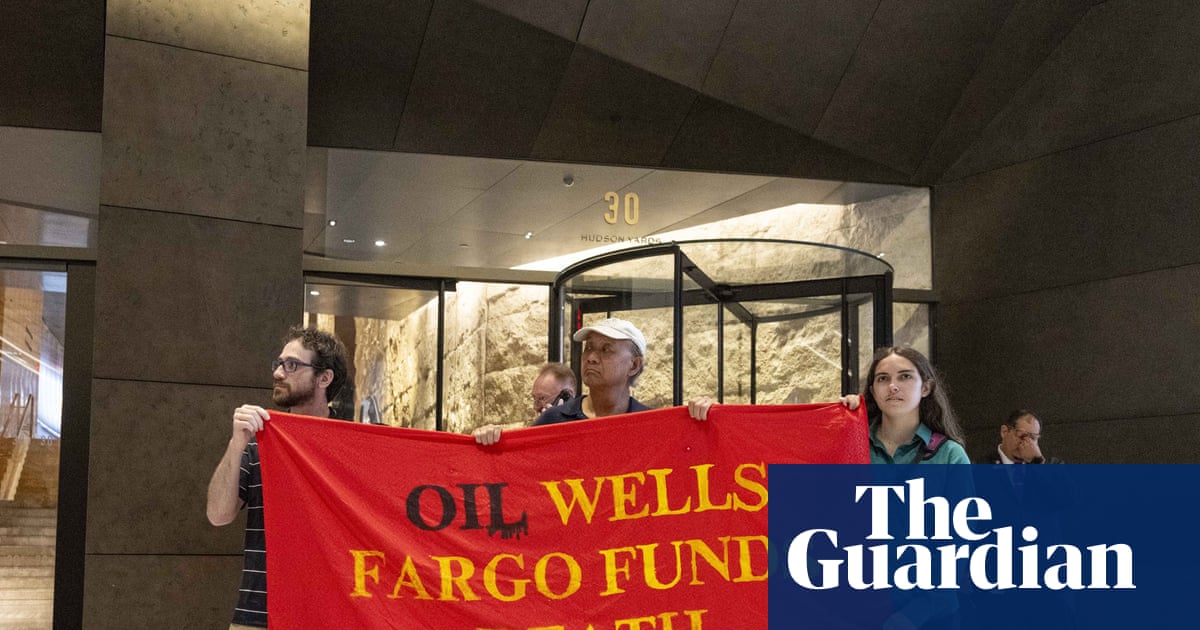
Recent high-profile protests targeting Wells Fargo have cast a sharp spotlight on the intricate and often contentious relationship between major financial institutions and the fossil fuel industry. Activists, including Indigenous rights groups and climate organizations, staged demonstrations in New York City and San Francisco this past Wednesday, resulting in seven arrests as they disrupted operations and called out the bank’s alleged complicity in the climate crisis. These actions mark the beginning of a planned “Stop Billionaires Summer” campaign, signaling an intensified period of civil disobedience against corporations perceived as undermining climate action. For investors in the energy sector, these developments are more than just headlines; they represent growing ESG pressures, potential reputational risks for financiers, and an evolving landscape that demands careful consideration of both market fundamentals and societal expectations.
Wells Fargo’s Strategic Pivot and the Rising Tide of Activism
Wells Fargo, a significant player in the financial sector, finds itself at the center of this storm following its decision to abandon prior climate commitments. This pivot occurred just weeks after a series of executive orders aimed at bolstering fossil fuel production. The bank’s fossil fuel investments reportedly surged by 30% in 2024, reaching $39 billion, according to recent analyses. This substantial increase in financing has fueled accusations from groups like Planet Over Profit and Waste Wakpa Grassroots, who argue that the bank is prioritizing profits over planetary health. The protests in San Francisco saw members of the Standing Rock Sioux tribal nation blocking entrances, drawing a direct link to Wells Fargo’s past financing of the Dakota Access Pipeline (DAPL) through Lakota Unceded Treaty Territory. This historical context amplifies the current activist sentiment, indicating that financial institutions’ past and present ties to controversial energy projects will continue to face intense scrutiny. For energy investors, this escalating activism highlights the growing non-financial risks associated with projects reliant on traditional financing, potentially influencing future capital availability and project timelines.
Navigating Market Realities Amidst ESG Headwinds
The financial sector’s calculus for fossil fuel investments is intrinsically linked to the broader market environment. As of today, 2026-04-16, Brent crude trades at $94.88, a slight dip from its opening, while WTI hovers at $91.31. This current pricing represents a notable shift from just two weeks prior, when Brent was trading at $108.01 on March 26, marking a significant 12.4% decline over the period. Such volatility in crude prices directly impacts the profitability and perceived risk of fossil fuel projects, influencing banks’ lending decisions. While activists accuse banks of cowering to political pressures, the economic realities of a fluctuating commodity market play a crucial role in investment strategies. Investors are keenly watching for signs that could influence the base-case Brent price forecast for the next quarter, understanding that sustained higher prices can bolster the case for new drilling and infrastructure, even amidst growing environmental opposition. Conversely, a prolonged downturn could intensify the pressure on banks to reconsider their exposure to a sector facing both market and reputational challenges.
Geopolitical Dynamics and the Future of Energy Finance
The protests against Wells Fargo are framed within a larger narrative of opposition to corporations perceived as supporting specific political agendas that favor fossil fuels and dismantle climate action. This geopolitical context adds another layer of complexity to energy investment. The “Stop Billionaires Summer” campaign explicitly targets entities accused of backing a Trump administration’s policies, suggesting that the pressure on financial institutions is not purely environmental but also politically charged. This broad-based campaign, following last year’s focus on Citibank, signals a sustained and coordinated effort to influence the flow of capital to the oil and gas sector. Investors must consider how such campaigns, coupled with potential shifts in regulatory environments, could impact the long-term viability and social license of energy projects. The consensus 2026 Brent forecast, a critical input for long-term project planning and valuation, increasingly needs to factor in these non-market risks, as the ability to secure financing might become as challenging as predicting commodity prices.
Upcoming Catalysts: Shaping the Investment Outlook
Looking ahead, the next two weeks are packed with key events that will further shape the oil and gas investment landscape, providing critical data points for investors and potentially influencing the strategic decisions of financiers like Wells Fargo. The Baker Hughes Rig Count, scheduled for April 17 and April 24, will offer insights into North American drilling activity, a direct indicator of future supply. More crucially, the OPEC+ Joint Ministerial Monitoring Committee (JMMC) meeting on April 18, followed by the Full Ministerial Meeting on April 20, could lead to significant announcements regarding production quotas. Any decision to adjust supply, whether an increase or cut, will directly impact global crude prices and, consequently, the attractiveness of financing new projects. Additionally, the weekly API and EIA crude inventory reports on April 21, 22, 28, and 29 will provide a snapshot of U.S. supply and demand dynamics. These data releases are vital for investors attempting to build a comprehensive Brent price forecast for the next quarter. As financial institutions weigh these market fundamentals against increasing activist pressure and evolving ESG expectations, the decisions made in boardrooms and at global energy summits will collectively determine the future trajectory of fossil fuel financing.