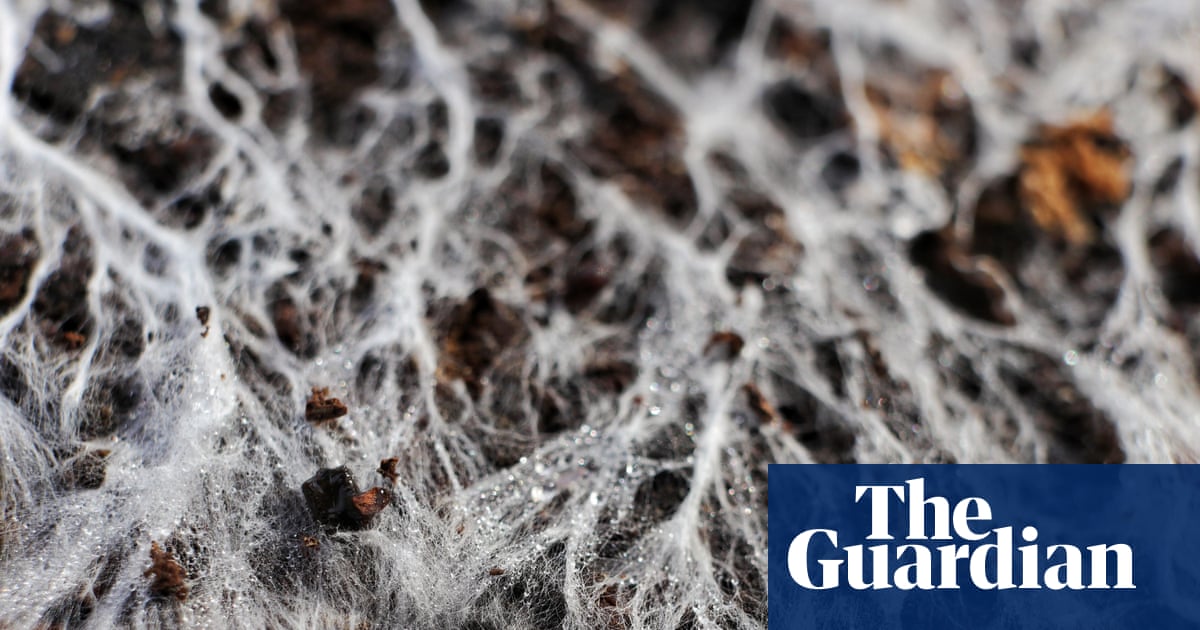
The oil and gas sector has long grappled with environmental, social, and governance (ESG) challenges, from direct emissions to water usage and community relations. However, a new frontier in environmental stewardship is emerging from beneath our feet: the protection of vast, interconnected underground fungal networks. Recent scientific mapping efforts have brought to light the critical role these mycorrhizal fungi play in carbon sequestration, soil health, and overall ecosystem resilience, identifying that a staggering 90% of their biodiverse hotspots remain unprotected. For energy investors, this revelation isn’t just an ecological footnote; it’s a nascent yet potentially profound ESG risk and opportunity that demands immediate attention and integration into long-term strategic planning.
The Hidden Carbon Sink: A New Dimension for Climate Risk Management
The subsurface world of mycorrhizal fungi is a formidable, unrecognized ally in the global fight against climate change. These intricate networks are responsible for drawing down over 13 billion tonnes of carbon dioxide from the atmosphere into soils annually – an amount roughly equivalent to one-third of total global fossil fuel emissions. This immense natural carbon sink, now better understood through high-resolution biodiversity mapping, presents a dual challenge and opportunity for the oil and gas industry.
On one hand, the vulnerability of these fungal ecosystems to human stressors directly impacts a crucial natural mechanism for carbon drawdown. Any disruption could accelerate atmospheric CO2 accumulation, intensifying pressure on O&G companies to further reduce their own emissions and invest in costly carbon capture technologies. On the other hand, proactive engagement in protecting and restoring these fungal networks could offer a credible, nature-based solution for carbon offsetting and biodiversity credits, potentially enhancing a company’s ESG profile. As of today, Brent Crude trades at $94.85, reflecting a slight daily dip, but notably down over 12% from $108.01 just a few weeks ago on March 26th. While short-term market fluctuations like these often dominate investor sentiment, the long-term imperative for carbon management, underscored by the fungi’s role, remains a constant and growing factor influencing future valuations and the cost of capital.
Regulatory Headwinds and Operational Shifts on the Horizon
The finding that 90% of mycorrhizal fungal biodiversity hotspots are currently unprotected signals an inevitable push towards new conservation mandates. Policymakers, armed with this new scientific understanding, are likely to introduce regulations that could significantly impact land use, permitting processes, and operational footprints for oil and gas projects globally. Consider the critical biodiversity hotspot identified along Ghana’s coast, an area already facing rapid erosion. If this crucial fungal infrastructure is lost, it not only impacts local ecosystems but sets a precedent for how governments might respond to similar vulnerabilities in other regions where energy development is planned.
Upcoming industry events underscore the dynamic environment energy companies navigate. While the OPEC+ JMMC and Full Ministerial meetings on April 18th and 20th will focus on production quotas and market stability, and the Baker Hughes Rig Count on April 17th and 24th will signal drilling activity, these operational realities will increasingly be shaped by evolving environmental regulations. New fungal protection zones or biodiversity offset requirements could introduce significant delays, increase compliance costs, and even lead to project redesigns. Companies that proactively integrate fungal ecosystem health into their environmental impact assessments and site selection processes will be better positioned to navigate these emerging regulatory landscapes, ensuring smoother project execution and mitigating potential liabilities.
Addressing Investor Concerns: Valuation and Strategic Adaptation
Our proprietary reader intent data reveals a consistent focus among investors on forward-looking price analysis, with frequent inquiries such as “Build a base-case Brent price forecast for next quarter” and “What is the consensus 2026 Brent forecast?” While traditional supply-demand fundamentals underpin these forecasts, the rising significance of new ESG factors like fungi protection introduces a layer of long-term uncertainty that must be integrated into valuation models. This isn’t merely a niche environmental issue; it directly impacts risk premiums, potential litigation exposure, and access to capital for companies perceived as laggards in biodiversity stewardship.
For investors, assessing a company’s strategy for addressing this new challenge will become a critical differentiator. Companies that invest in mapping their operational areas for fungal biodiversity, develop mitigation strategies for potential impacts, and explore opportunities for nature-based solutions – such as funding fungal restoration projects – could gain a competitive edge. This proactive stance would enhance their ESG ratings, potentially lowering their cost of capital and attracting a broader pool of sustainability-focused investors. Conversely, ignoring this “hugely missed opportunity,” as scientists have warned, risks turning it into a significant liability, impacting long-term shareholder value and overall market perception.


