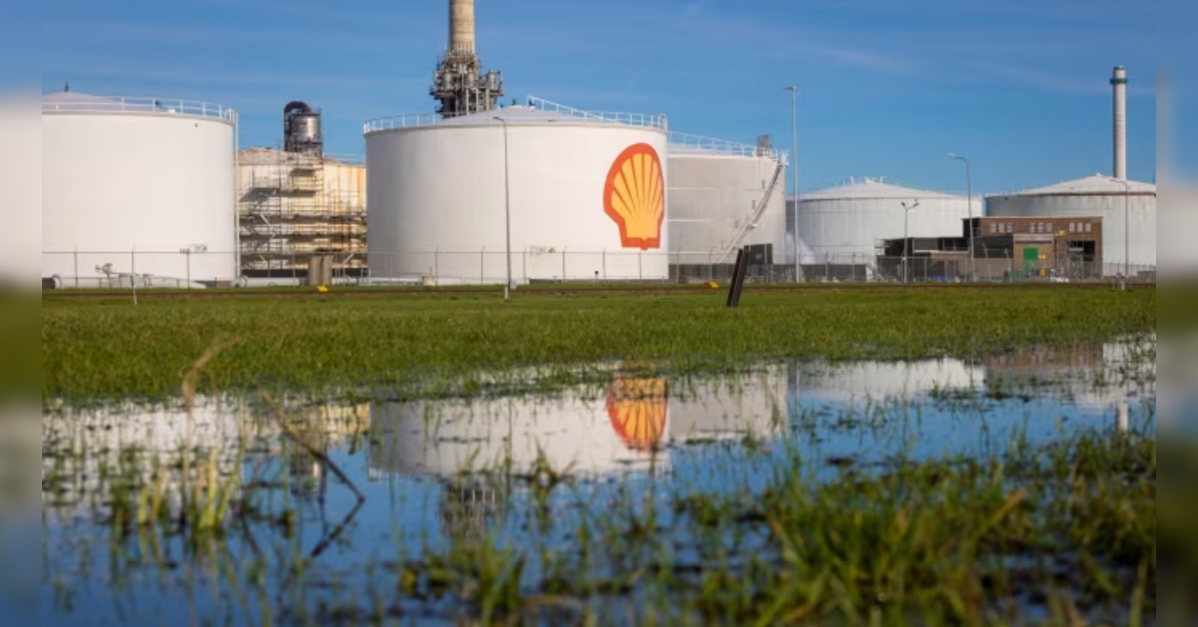
The recent decision by a prominent climate goal assessor to pause the development of its oil and gas emissions standard marks a significant, albeit temporary, reprieve for the upstream sector. After major energy players like Shell, Aker BP, and Enbridge withdrew from the advisory group, citing concerns over a draft standard that would effectively halt new oil and gas field development by 2027, the initiative confirmed a pause due to “capacity considerations.” For investors, this move immediately translates into reduced near-term compliance pressure and enhanced strategic flexibility for companies navigating a complex energy market. This analysis delves into the implications for capital allocation, market dynamics, and the evolving landscape of ESG investment in the oil and gas industry.
Strategic Flexibility and Capital Allocation Reaffirmed
The suspension of the Science-Based Targets initiative’s oil and gas standard provides immediate breathing room for major energy companies. The proposed rules, which suggested a moratorium on new oil and gas field development as early as 2027 for companies submitting climate plans, presented a substantial challenge to long-term capital allocation strategies. With this specific framework now on hold, companies regain a degree of freedom in planning their exploration and production (E&P) investments. This flexibility is crucial for firms that have emphasized “realistic societal and economic changes” and the need for adaptable pathways to net-zero goals. For investors evaluating the long-term viability and growth prospects of integrated energy companies and pure-play E&P firms, this pause removes a significant prescriptive barrier that could have constrained future output and, consequently, revenue streams. It allows companies to continue optimizing their asset portfolios and deploying capital based on market demand signals and economic realities, rather than an immediate, potentially disruptive, external mandate. This aligns with what many investors are asking about individual company performance, such as the outlook for firms like Repsol, where strategic capital deployment directly impacts future earnings.
Navigating Current Market Volatility with Greater Agility
This easing of compliance pressure arrives at a particularly opportune moment, as the global oil market is exhibiting significant volatility. As of today, Brent Crude trades at $90.38 per barrel, marking a sharp 9.07% decline from its opening. Similarly, WTI Crude stands at $82.59, down 9.41% within the same trading window. This recent downturn is part of a broader trend, with Brent having fallen by $20.91, or 18.5%, from $112.78 on March 30th to $91.87 just yesterday. Gasoline prices have also seen a notable drop, currently at $2.93, down 5.18% today. Such pronounced price swings underscore the unpredictable nature of global energy demand and supply dynamics. In this environment, the ability for oil and gas companies to adapt quickly to changing market conditions without the added burden of an immediate, restrictive emissions standard is invaluable. It enables them to respond more effectively to supply-demand imbalances, adjust production levels, and manage inventory without being simultaneously tethered to a rigid, near-term cap on new development. This strategic agility can directly impact profitability and resilience during periods of market stress, offering a tactical advantage for companies in the coming quarters.
The Evolving Landscape of ESG and Investor Scrutiny
While the specific oil and gas standard is paused, the broader imperative for emissions reduction and alignment with climate goals remains firmly on the investor agenda. Companies like Shell have explicitly stated their commitment to science-based methodologies and Paris alignment, often referencing 1.5°C scenarios developed for the UN Intergovernmental Panel on Climate Change. The absence of a unified, industry-wide standard means that companies will continue to develop and communicate their own strategies for decarbonization. This situation shifts the onus back onto individual companies to articulate robust, credible pathways to net-zero, and for investors to scrutinize these plans carefully. The market will reward transparency and tangible progress in emissions intensity reductions, even without a prescriptive external benchmark. Investors are increasingly sophisticated in their evaluation of ESG factors, and the pause on one standard does not negate the demand for sustainable practices. Rather, it emphasizes the need for companies to proactively demonstrate their commitment through their own metrics and disclosures, influencing long-term valuations and capital access. This ongoing scrutiny is directly relevant to investor questions about long-term oil price predictions, as ESG performance increasingly factors into future demand scenarios and the cost of capital.
Upcoming Catalysts and Forward-Looking Strategy
Looking ahead, the next two weeks present several critical events that will further shape the operating environment for oil and gas companies, coinciding with the newfound flexibility from the emissions standard pause. The OPEC+ Joint Ministerial Monitoring Committee (JMMC) meeting tomorrow, April 18th, followed by the full Ministerial Meeting on April 19th, will be closely watched for any signals regarding production quotas. Investors are keenly asking about current OPEC+ production quotas and their potential impact on future oil prices. Any adjustment to output levels could significantly influence market supply and price stability. Furthermore, the weekly API and EIA inventory reports on April 21st and 22nd, respectively (and again on April 28th and 29th), will provide crucial insights into demand strength and storage levels in key markets. The Baker Hughes Rig Count on April 24th and May 1st will offer a read on North American drilling activity. With the immediate pressure of a restrictive emissions standard lifted, companies are better positioned to integrate these imminent market signals into their strategic decisions regarding production, investment, and hedging, optimizing their operations in response to real-time market dynamics. This strategic agility, enabled by the standard’s pause, becomes a key differentiator for investors assessing short-to-medium term performance and resilience.


