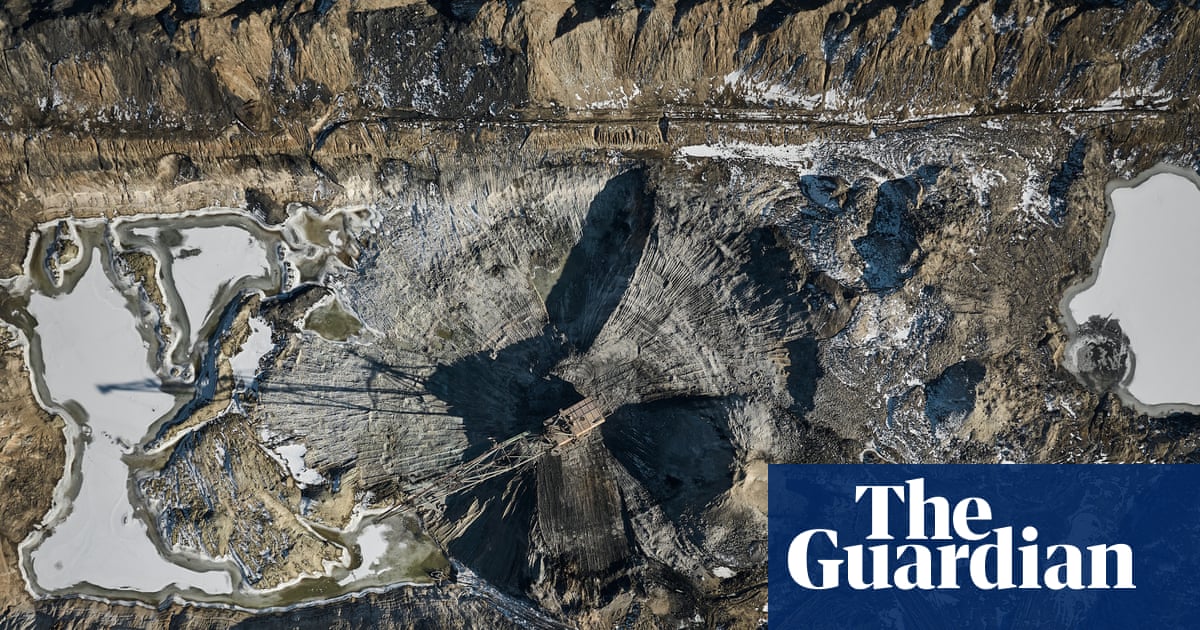
The European Union’s ambitious energy transition hinges on a reliable supply of critical minerals, from copper for grids to lithium for electric vehicle batteries. Yet, a recent surge in environmental, social, and governance (ESG) allegations within the very mines poised to fuel this shift presents a significant and growing risk for investors. Proprietary data indicates a concerning threefold increase in reported abuses in these transition mineral projects across Europe and Central Asia in 2024 compared to the average of the previous five years. This escalation, from 92 allegations to 270 in a single year, is not merely an ethical dilemma; it represents a material threat to project timelines, supply chain stability, and the social license to operate for companies invested in the “green” economy. For oil and gas investors diversifying into adjacent energy sectors, these red flags demand immediate attention and a re-evaluation of perceived risk profiles within the burgeoning critical minerals space.
Mounting ESG Risks Threaten Transition Mineral Supply Chains
The reported increase in allegations across 13 countries in Europe and Central Asia underscores a systemic challenge in the upstream segment of the energy transition. These incidents span a wide spectrum, with health and safety violations constituting a staggering 85% of all reported impacts on workers, including workplace deaths and personal health issues. Environmental concerns are equally pressing, with violations of safety standards making up 38% of community impacts, followed by significant air, soil, and water pollution incidents. While no allegations were found for the EU member states included in the analysis (Croatia, Estonia, Latvia, Lithuania), the concentration of these issues in non-EU neighbors like Russia (accounting for 39% of all allegations), Ukraine, and Kazakhstan raises direct questions about the security and ethical sourcing of minerals for the EU’s industrial base. Investors must now factor in the heightened potential for operational disruptions, regulatory hurdles, and reputational damage stemming from these widespread and escalating ESG failures.
Diverging Market Narratives: Crude Stability Versus Transition Turbulence
As of today, Brent crude trades at $94.58 per barrel, marking a minor dip of 0.37% within a day range of $94.42 to $94.91. This reflects a broader market trend where Brent has receded from $108.01 recorded on March 26th to its current level, representing a 12.4% decline over the past two weeks. This relative stability, albeit with a downward correction, stands in stark contrast to the emerging turbulence in the critical minerals sector. While investors are keenly asking for base-case Brent price forecasts for the next quarter, signaling a continued focus on traditional market drivers, the ESG challenges in transition minerals present a less visible but equally potent risk factor for the long-term energy portfolio. The energy landscape is clearly bifurcating: established crude markets are navigating familiar supply-demand dynamics, while the “new energy” sector grapples with foundational ethical and environmental issues that could significantly impact future project valuations and investment returns.
Geopolitical Intersections and Supply Chain Vulnerabilities
The geographical concentration of ESG allegations in politically sensitive regions like Russia, Ukraine, and Kazakhstan introduces an additional layer of geopolitical risk to the energy transition supply chain. For European nations striving for mineral independence and diversification away from single-source suppliers, the ethical sourcing dilemma is now intertwined with existing geopolitical tensions. The reliance on these peripheral nations for vital resources such as copper and lithium, coupled with documented human rights and environmental abuses, creates a precarious dependency. This situation mandates rigorous due diligence and robust risk mitigation strategies for any investment vehicle exposed to these supply chains. The promise of a “clean” energy future becomes considerably more complex when the foundational raw materials are extracted under questionable social and environmental conditions in politically volatile territories. This scenario forces a re-evaluation of what true “de-risking” entails in the context of the energy transition.
Navigating Future Risks: Investor Due Diligence and Upcoming Catalysts
As the market gears up for critical events like the OPEC+ JMMC meeting on April 18th, followed by the full Ministerial meeting on April 20th, and weekly crude inventory data from API and EIA, the immediate focus remains on traditional oil and gas supply and demand dynamics. However, for investors building their 2026 Brent forecasts and assessing the broader energy transition landscape, the rising ESG risks in upstream mineral extraction demand parallel attention. The projected surge in demand for critical minerals will inevitably intensify mining activities, potentially exacerbating existing ESG challenges if not proactively managed. Therefore, investors must expand their due diligence beyond traditional oil and gas metrics. They should be probing the ESG frameworks of companies involved in the transition mineral supply chain, understanding their exposure to regions with high reported abuse allegations, and assessing mitigation strategies. While many investors are focused on the immediate future of crude prices and the operational health of “tea-pot” refineries in China, the deeper, systemic risks highlighted by these ESG reports are quietly reshaping the investment landscape for the very foundation of the energy transition, demanding a more comprehensive and forward-looking risk assessment.


