Iran’s Heatwave: A Brewing Supply Risk Amidst Market Complacency
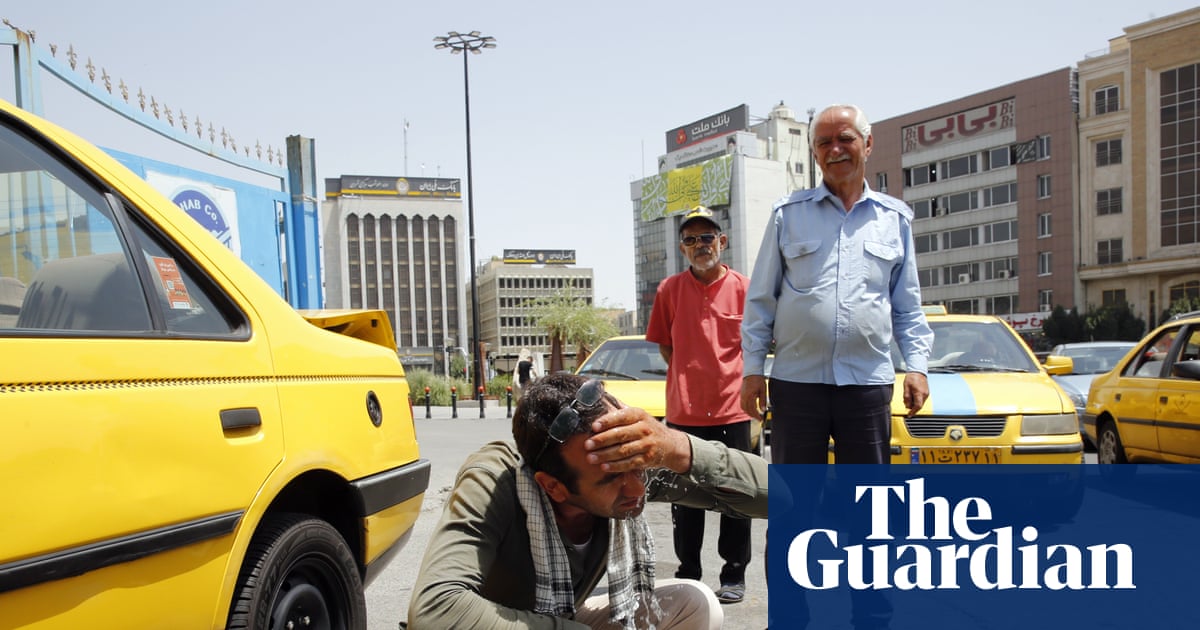
Iran is currently grappling with its most severe heatwave of the year, pushing temperatures above 50 degrees Celsius in some regions and exacerbating a five-year drought. This extreme weather has triggered widespread power cuts and a critical water shortage, compelling authorities to declare a public holiday in Tehran province to conserve resources. While the immediate focus is on humanitarian concerns, for oil and gas investors, these escalating domestic pressures within a major energy-producing nation signal a potential, yet currently underpriced, upside risk to global energy supply dynamics. As a senior investment analyst, my focus is on dissecting how this internal strain could ripple through international markets, influencing everything from crude oil prices to OPEC+ policy.
Domestic Strain Intensifies: Energy Demand Meets Supply Constraints
The scale of Iran’s current environmental crisis is stark. Meteorological services report temperatures exceeding 50C in areas like Shabankareh and Abadan, with Tehran itself hitting 41C. This isn’t just discomfort; it’s a systemic challenge. The prolonged drought has severely depleted water reservoirs, with the crucial Karaj dam, supplying Tehran, reportedly at its lowest levels. This directly impacts Iran’s significant hydropower capacity, a key component of its energy mix, forcing a greater reliance on thermal power generation, which itself requires substantial water for cooling. The energy minister’s announcement of negotiations to import water from neighboring countries like Turkmenistan and Afghanistan underscores the severity of the situation. Increased demand for air conditioning, coupled with reduced hydropower output and infrastructure issues, has led to rolling blackouts. The government’s decision to declare Wednesday a public holiday in Tehran province to conserve electricity and water is a clear indicator of the crisis’s depth. From an investment perspective, this translates into a potential diversion of natural gas and even crude oil resources from export to meet critical domestic power generation and water desalination needs, tightening Iran’s already constrained export capacity.
Market’s Muted Response: An Underpriced Risk?
Despite the intensifying crisis in a nation holding significant oil and gas reserves, the broader crude market has shown a relatively muted reaction. As of today, Brent crude trades at $94.58 per barrel, reflecting a slight daily dip of 0.37% within a range of $94.42 to $94.91. Similarly, WTI crude is at $90.73, down 0.61%. This lack of immediate volatility suggests the market currently views Iran’s issues as primarily domestic. However, a deeper look at recent trends provides context: Brent has seen a significant pullback over the last 14 days, dropping from $108.01 on March 26 to its current level. This recent bearish sentiment, driven by other global factors, might be overshadowing the emerging Iranian supply risk. The question for astute investors is whether this current market apathy represents an underestimation of the potential for widespread power and water outages to impact Iran’s energy infrastructure or its ability to maintain current production and export levels. History has shown that domestic instability in key producers can quickly translate into significant price shocks, a scenario not fully priced into today’s quiet trading.
Upcoming OPEC+ Meetings: Iran’s Crisis as a Factor in Supply Decisions
Looking ahead, the unfolding situation in Iran could become a significant, albeit perhaps unstated, factor in upcoming energy policy decisions. The OPEC+ Joint Ministerial Monitoring Committee (JMMC) is scheduled to meet on April 18, followed by the full Ministerial meeting on April 20. While these meetings will primarily focus on global supply-demand balances and adherence to existing quotas, the internal energy crisis facing one of its founding members cannot be entirely overlooked. Iran, a key OPEC producer, albeit under sanctions, could see its domestic energy needs increase pressure on its oil and gas output. Should the crisis deepen, requiring more natural gas for power generation or potentially impacting oilfield operations through reduced power supply or water availability, it could indirectly influence the collective’s outlook. Any perceived or actual reduction in Iran’s effective export capacity, even if not officially sanctioned by OPEC+, would contribute to a tighter global market. Investors should closely monitor any statements from Iranian officials regarding energy exports or internal consumption shifts in the run-up to and during these crucial OPEC+ gatherings, as they could signal unforeseen supply tightening.
Investor Outlook: Recalibrating Price Forecasts for Emerging Geopolitical Risk
Our proprietary reader intent data reveals a strong focus among investors on developing robust base-case Brent price forecasts for the next quarter and establishing a consensus 2026 outlook. This Iranian heatwave and water crisis introduce a critical, yet highly uncertain, variable into these calculations. While not an immediate threat to global oil flows, the potential for prolonged domestic instability in a major oil and gas producer cannot be dismissed. Investors must consider several scenarios: a base case where Iran manages the crisis with minimal export impact; a moderate case where increased domestic energy consumption diverts some gas and oil from exports, subtly tightening the market; and a severe case where escalating civil unrest due due to critical resource shortages leads to significant disruptions in production or export infrastructure. The latter, while less probable in the short term, carries substantial upside risk for crude prices. Therefore, any comprehensive Brent forecast must now incorporate a geopolitical risk premium tied to Iran’s domestic stability. We advise investors to keep a close watch on the evolution of this crisis, specifically looking for indicators of widespread civil unrest, official statements on energy export prioritization, and any direct impacts on oil and gas field operations, as these will be the key triggers for significant market recalibration.