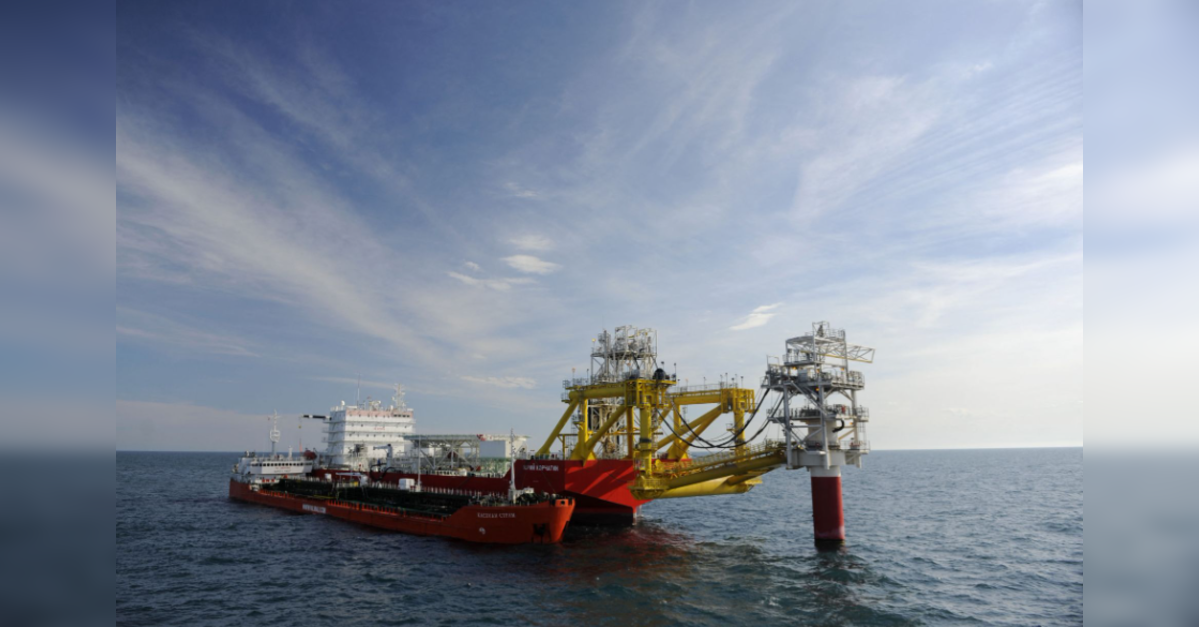
The global oil market continues to grapple with the intricate dance between geopolitical imperatives and fundamental supply-demand dynamics. A recent significant move saw the UK impose sanctions on 135 oil tankers operating within Russia’s shadow fleet, alongside a shipping services company and an oil trading firm. This action, part of a concerted effort to curtail Moscow’s war funding, targets a network responsible for illicitly transporting an estimated $24 billion worth of cargo since the start of 2024. For investors, understanding the ripple effects of such measures is paramount, especially as these sanctions build upon previous actions, including a lowered crude oil price cap by the UK and EU. This analysis delves into the immediate market reactions, addresses key investor concerns, and projects forward to upcoming events that will further shape the energy landscape.
The Persistent Erosion of Russia’s Oil Lifeline and Current Market Sentiment
The latest round of sanctions represents a continued tightening of the screws on Russia’s ability to monetize its oil exports, a critical pillar of its economy. By targeting 135 vessels, including those registered under flags like Gabon’s via entities like Intershipping Services LLC, and an oil trading arm such as Litasco Middle East DMCC linked to Lukoil, the UK aims to directly impede the logistical and financial infrastructure supporting the shadow fleet. This fleet, comprising aging vessels, is essential for Russia to bypass international restrictions, and its erosion introduces significant friction into global oil trade. Increased scrutiny and sanctions translate into higher operational costs, longer transit times, and a shrinking pool of willing participants for Russian crude, inevitably impacting its market access and pricing power.
However, the immediate market response, as observed today, paints a more complex picture. As of April 16, 2026, Brent Crude trades at $94.58 per barrel, a modest decline of 0.37% within the day’s range of $94.42-$94.91. West Texas Intermediate (WTI) Crude similarly sits at $90.73, down 0.61%. Looking at the broader trend, Brent has actually seen a notable softening, falling from $108.01 on March 26, 2026, to its current $94.58 – a significant drop of $13.43, or 12.4%, over the past 14 days. This suggests that while sanctions introduce a supply-side risk premium, the prevailing market sentiment is currently influenced more by other factors, perhaps demand concerns or broader macroeconomic indicators, which have kept prices under downward pressure despite persistent geopolitical friction. The declining trend indicates that the market has not perceived these cumulative sanctions as an immediate, severe threat to overall global supply adequacy, or that other bearish drivers are simply outweighing the supply-side risks.
Investor Outlook: Forecasting Brent Amid Geopolitical Volatility
A recurring question from investors, evident in our proprietary intent data, revolves around building a base-case Brent price forecast for the next quarter and understanding the consensus 2026 Brent outlook. These sanctions add a critical, albeit unpredictable, variable to any forecasting model. The shrinking shadow fleet implies higher insurance and shipping costs for Russian crude, pushing discounts wider relative to Brent. This dynamic can paradoxically keep global benchmark prices like Brent lower if sufficient discounted Russian crude still finds its way to market, preventing a massive supply deficit. However, should the sanctions become so effective as to truly remove significant volumes from the market, or if the risk of secondary sanctions escalates, a sharp upward correction in Brent prices would be imminent.
Investors are also keenly tracking the activity of “Chinese tea-pot refineries” and their role in absorbing Russian crude. These independent refiners have been a vital outlet for discounted Russian oil, often processing it into refined products for domestic use or re-export. Any tightening of sanctions enforcement that impacts the payment mechanisms or shipping routes for these buyers would directly threaten a major demand sink for Russia, potentially forcing more crude off the market and driving up global prices. Our analysis indicates that while tea-pots remain significant, the increasing scrutiny on financial transactions and vessel tracking could lead to greater supply chain segmentation and higher costs for all involved, contributing to a higher underlying risk premium in 2026 price forecasts, even if actual disruptions are managed.
Navigating Near-Term Supply Dynamics: Critical Upcoming Events
The coming days and weeks are packed with events that will offer further clarity on global oil supply and demand balances, especially in the context of ongoing sanctions. The market will closely watch the OPEC+ Joint Ministerial Monitoring Committee (JMMC) meeting on April 18th, followed by the full OPEC+ Ministerial Meeting on April 20th. These gatherings are crucial. Will the persistent pressure on Russian supply, coupled with the current softening in Brent prices, prompt OPEC+ to reconsider its production cuts? Or will the alliance maintain its cautious approach, prioritizing market stability and allowing the geopolitical premium to offset any perceived oversupply from other sources? Any signal from OPEC+ regarding output adjustments will have a magnified impact given the instability introduced by sanctions.
Beyond OPEC+, weekly data points will provide granular insights. The Baker Hughes Rig Count, scheduled for April 17th and April 24th, will indicate North American drilling activity, offering a forward look at future supply. Equally important are the API Weekly Crude Inventory (April 21st, April 28th) and the EIA Weekly Petroleum Status Report (April 22nd, April 29th). These inventory reports provide the most timely gauge of market balance, revealing whether global supply is adequately meeting demand or if the cumulative effect of sanctions and other factors is beginning to draw down stockpiles more aggressively. Geopolitical rhetoric, such as the push for a 50-day drive to arm Ukraine alongside calls for a peace deal, further underscores the volatile environment in which these supply decisions are being made, adding another layer of uncertainty to an already complex market equation.
Strategic Implications for Global Oil Flows and Energy Security
The continuous escalation of sanctions against Russia’s shadow fleet has profound strategic implications, reshaping global oil flows and challenging established notions of energy security. While the immediate goal is to drain Russia’s war chest, the long-term consequence is the fragmentation of the global shipping market. The proliferation of aging vessels, operating outside traditional regulatory frameworks, introduces environmental and safety risks that regulators will eventually need to address. Moreover, the sanctions accelerate the shift in trade routes, with more Russian crude flowing east, necessitating longer voyages and creating new logistical bottlenecks. This re-routing impacts freight rates globally and influences regional crude differentials, benefiting some markets while increasing costs for others.
For investors, this environment demands a nuanced understanding of not just crude prices but also refining margins, shipping economics, and the geopolitical risk premium. The durability and effectiveness of the shadow fleet will remain a key determinant of global supply elasticity. As sanctions continue to evolve, so too will the methods of circumvention, creating a perpetual cat-and-mouse game that ensures ongoing volatility in the energy sector. Companies with robust compliance frameworks and diversified supply chains are better positioned to navigate these turbulent waters, highlighting the growing importance of ESG factors and geopolitical risk assessment in investment decisions across the oil and gas landscape.


