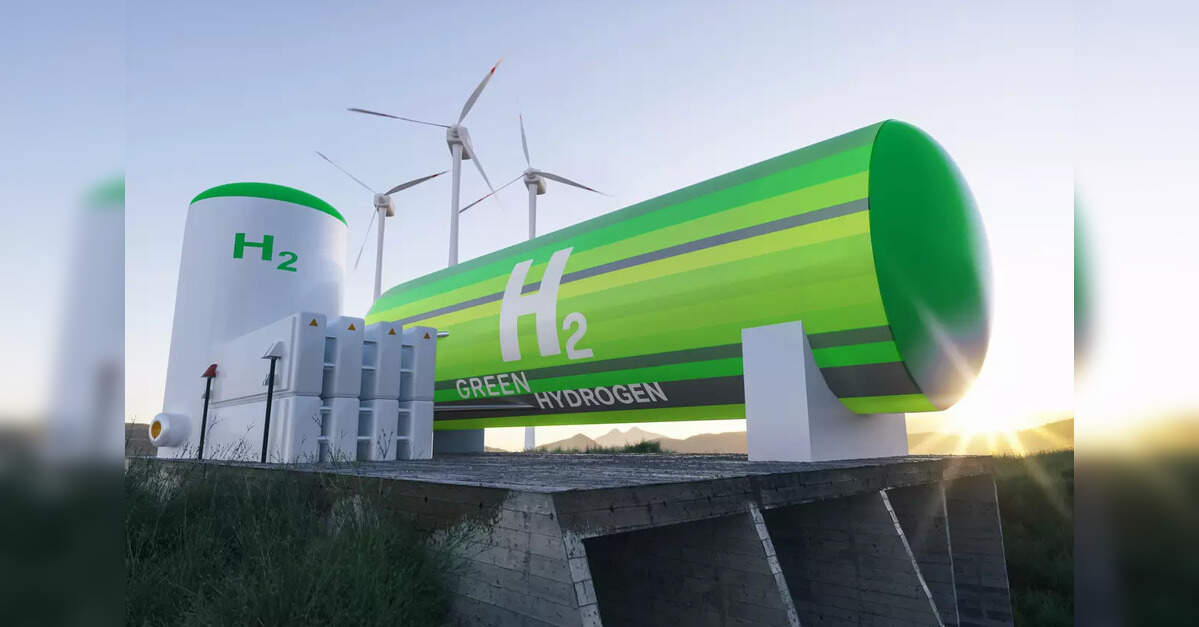
India is embarking on an unprecedented energy transformation, positioning itself as a global leader in green hydrogen production. With an astonishing investment wave projected to reach ₹10 lakh crore by 2030, the nation is not merely adopting a new energy source but is fundamentally reshaping its industrial and economic landscape. This ambitious drive is underpinned by the National Green Hydrogen Mission (NGHM), launched in January 2023, which targets a significant ramp-up in domestic production and manufacturing capacity. For investors, this represents a multi-faceted opportunity in a sector poised for exponential growth, offering a compelling alternative to traditional fossil fuel dependencies and their inherent market volatilities.
The Trillion-Rupee Opportunity: India’s Green Hydrogen Vision
India’s commitment to green hydrogen is underscored by the staggering financial outlay planned for the remainder of the decade. The country anticipates an investment surge of ₹10 lakh crore (approximately $120 billion at current exchange rates) into its nascent green hydrogen economy by 2030. This monumental capital deployment is aimed at achieving dual targets: producing 5 million tonnes per annum (MTPA) of green hydrogen and establishing 20 GW of electrolyser manufacturing capacity within the same timeframe. The strategic rationale behind this push is clear: to reduce fossil fuel imports by an estimated ₹1 lakh crore and to mitigate 50 million metric tonnes of greenhouse gas emissions.
The urgency for this energy transition is further highlighted by the persistent volatility in global energy markets. As of today, Brent crude trades at $94.58 per barrel, reflecting a slight intraday dip of 0.37% within a range of $94.56-$94.91. This minor fluctuation comes on the heels of a more substantial market correction, with Brent having declined by 12.4% from its $108.01 level recorded just three weeks prior. Such price swings in conventional energy sources amplify the strategic imperative for nations heavily reliant on imports, like India, to cultivate robust domestic, sustainable energy alternatives. The SIGHT (Strategic Interventions for Green Hydrogen Transition) Programme, with an allocation of ₹17,000 crore until FY2030, forms the core of the NGHM, already demonstrating traction with over 8.58 lakh MTPA of green hydrogen production and 2.3 GW of electrolyser manufacturing capacity awarded through initial bids by the Solar Energy Corporation of India (SECI).
Decarbonizing Heavy Industry: Demand Drivers and Cost Reductions
The adoption of green hydrogen is not merely an environmental endeavor; it is an economic necessity for some of India’s most carbon-intensive sectors. Fertilisers, refining, and steel are identified as the primary beneficiaries and demand drivers for green hydrogen. Projections indicate that the refining and steel sectors alone are expected to generate demand for 4.5 MTPA of green hydrogen by 2030, effectively replacing nearly 80% of their current fossil fuel consumption. This structural shift represents a significant long-term opportunity for green hydrogen producers and related infrastructure developers.
A crucial factor in accelerating this transition is the anticipated reduction in production costs. Currently, the cost of green hydrogen in India ranges from $3.8/kg to $5.8/kg. However, industry estimates project a dramatic decrease to $0.8/kg to $3.3/kg by 2030. This downward trajectory is expected to be fueled by several key factors: the declining cost of renewable energy, enhanced capital efficiency in project execution, and strategic indirect tax waivers implemented by the government. Such cost competitiveness will be vital in ensuring green hydrogen’s widespread adoption and making it an economically viable alternative to traditional fuels.
Policy Support and the Emerging Electrolyser Ecosystem
India’s policy framework is robustly designed to foster a thriving green hydrogen ecosystem. Beyond the overarching NGHM, specific production-linked incentives (PLI) are in place to catalyze growth. These include ₹5,258 crore allocated for green hydrogen production and ₹4,440 crore for electrolyser manufacturing. These incentives, structured as per-kilogram awards disbursed over three years under SIGHT Component II, are tied to performance and localisation benchmarks, encouraging domestic innovation and supply chain development.
The domestic electrolyser manufacturing capacity, currently under 1 GW, is poised for explosive growth, with the 2.3 GW awarded under SIGHT Component I representing a significant first step towards the 20 GW target. Furthermore, critical port infrastructure is being developed in strategic locations such as Kandla, Tuticorin, and Kakinada to facilitate the export of green hydrogen and green ammonia, with long-term contracts already signed for 2.5 lakh tonnes of exports from the latter two ports. Complementing federal efforts, states including Maharashtra, Karnataka, Gujarat, Uttar Pradesh, and Andhra Pradesh have introduced their own green hydrogen policies, offering attractive incentives like stamp duty waivers, land subsidies, and exemptions from transmission charges to attract investors and project developers.
Our proprietary reader intent data reveals that many investors are intensely focused on short-term market movements, frequently querying base-case Brent price forecasts for the next quarter, tracking Chinese tea-pot refinery operations, and analyzing Asian LNG spot prices. This immediate market focus, while crucial for tactical plays, often overlooks the profound, structural shifts underway in global energy. India’s green hydrogen initiative represents one such long-term structural play, offering an investment thesis that is less exposed to the daily gyrations of traditional crude markets and more aligned with the inevitable global energy transition.
Navigating the Future: Green Hydrogen as a Strategic Hedge Against Volatility
India’s assertive pivot towards green hydrogen is a strategic move to secure its energy future, offering a potent hedge against the inherent volatilities of the global fossil fuel market. While international energy dynamics continue to capture immediate attention, with significant upcoming events like the Baker Hughes Rig Count reports, and particularly the OPEC+ Joint Ministerial Monitoring Committee (JMMC) meeting on April 18th, followed by the Full Ministerial Meeting on April 20th, these events primarily shape short-to-medium term crude supply and price expectations. For a major energy importer like India, such external dependencies pose significant economic and strategic vulnerabilities.
The colossal investment in green hydrogen, therefore, is not just about decarbonization; it is about achieving energy independence and stability in an increasingly unpredictable world. By building out domestic production and manufacturing capabilities, India aims to create a self-reliant green energy economy that is insulated from geopolitical tensions, OPEC+ production decisions, or weekly inventory reports. Investors looking beyond the immediate commodity cycles will find compelling long-term value in companies and projects driving India’s green hydrogen mission. The scale of the opportunity, backed by robust policy support and clear demand drivers from critical industries, positions India’s green hydrogen sector as a cornerstone of future energy investment, promising sustainable returns for those aligned with this transformative vision.


