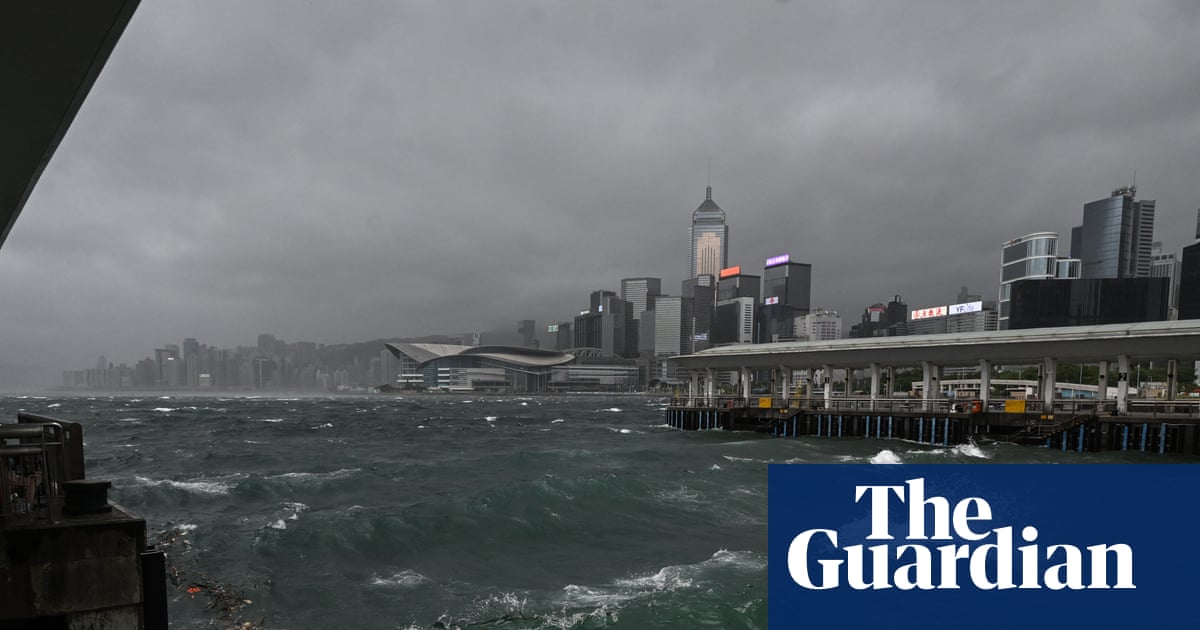
Hong Kong has braced for extraordinary meteorological forces as Typhoon Wipha unleashed its full fury, prompting the city’s highest-level tropical cyclone warning. This severe weather event, characterized by hurricane-force winds and torrential rains, extends its potential for disruption far beyond urban life, posing significant challenges for the vital oil and gas shipping lanes that crisscross the South China Sea.
As of Sunday morning, Wipha was positioned approximately 60 kilometers southeast of Hong Kong, its eyewall already impacting the southern reaches of the territory with devastating winds. The Hong Kong Observatory escalated its alert to a T10 hurricane signal, indicating sustained wind speeds of 118 kilometers per hour or more. This declaration underscores a substantial threat to the city’s infrastructure and, by extension, its critical role in global maritime trade, including the flow of energy commodities.
Immediate Operational Halt in a Global Hub
The immediate consequences for Hong Kong have been profound. Public services saw widespread cancellations, including all day school classes and daycare operations. Public transportation, a lifeline for the metropolis, faced severe curtailments, with open-section train services completely suspended. Such an extensive shutdown reflects the gravity of the T10 warning, a signal last issued for Super Typhoon Saola in 2023, highlighting the rarity and extreme danger of the current weather system.
Critically for energy investors, the disruption to air travel provides a stark indicator of the broader operational paralysis. Approximately 500 flights were cancelled, with another 400 rescheduled, grounding business and logistical movements. While not directly impacting oil tankers, this widespread halt in a major international hub signals the severe impediments to port operations, crew changes, and the administrative functions essential for seamless energy trade.
Energy Shipping Faces Direct Headwinds
The primary concern for the oil and gas sector centers on maritime logistics. Hong Kong, while not a major crude oil import terminal itself, is a pivotal transshipment point and administrative hub for shipping companies operating across Asia. More importantly, Typhoon Wipha’s trajectory through the South China Sea directly threatens one of the world’s busiest maritime corridors, a conduit for immense volumes of crude oil, refined products, and liquefied natural gas (LNG) destined for China, Japan, South Korea, and Southeast Asian nations.
With mean wind speeds exceeding 118 km/h, anchorage and port operations throughout the affected region would be severely curtailed or outright suspended. This directly translates into delays for crude oil tankers discharging at Chinese ports, refined product carriers exporting from regional refineries, and LNG vessels delivering vital energy supplies. Such disruptions can lead to significant demurrage costs for charterers and ship owners, impacting profitability across the shipping value chain. Furthermore, the rerouting of vessels to avoid the storm’s path adds to transit times and fuel consumption, squeezing margins for an industry already navigating complex market dynamics.
Broader Regional Energy Implications
Typhoon Wipha’s projected path extends beyond Hong Kong, heading towards Macau and the Chinese city of Zhuhai, with an anticipated landfall later Sunday. The storm is then forecast to continue westward, eventually reaching Vietnam later in the week. This trajectory places key energy infrastructure within its sphere of influence.
China’s Hainan and Guangdong provinces, both on high alert, are home to substantial refining capacity and critical energy import terminals. Any sustained disruption to port access or offshore operations in these regions could temporarily tighten regional supply balances for crude oil and refined products. Offshore exploration and production activities, particularly in the shallow waters off these coastlines, would likely face evacuation or shutdown protocols, causing temporary dips in regional output.
Similarly, as Wipha progresses towards Vietnam, the country’s emerging oil and gas sector, including its offshore fields and LNG import ambitions, faces potential operational interruptions. While the immediate impact on global oil prices might be contained if disruptions are short-lived, prolonged port closures or significant damage to infrastructure could trigger localized price spikes for refined products or LNG, affecting regional energy security and profitability for importers and distributors.
Investor Outlook: Monitoring Meteorological Risks
For investors in the oil and gas sector, events like Typhoon Wipha serve as a potent reminder of the inherent meteorological risks in global energy supply chains. Companies with significant shipping exposure, refining assets in the Asia-Pacific region, or offshore exploration and production operations in the South China Sea must demonstrate robust risk mitigation strategies. This includes resilient logistics, comprehensive insurance coverage, and the agility to adapt to sudden operational changes.
While the direct impact of a single typhoon on global crude prices might be limited if the disruption is temporary, the cumulative effect of increasingly frequent and intense weather events in critical energy transit zones can introduce persistent volatility. Investors should closely monitor the duration of port closures, the extent of shipping delays, and any reports of damage to onshore or offshore energy infrastructure. These factors directly influence freight rates, commodity prices, and the operational costs of companies heavily invested in the region’s energy landscape.
The lessons from past events, such as Super Typhoon Saola in 2023, underscore the need for vigilance. As the climate continues to evolve, meteorological risks will remain a significant, non-market factor demanding constant attention from energy market participants and investors alike, shaping the profitability and resilience of the global oil and gas industry.


