The Strategic Imperative of Critical Minerals Reshoring
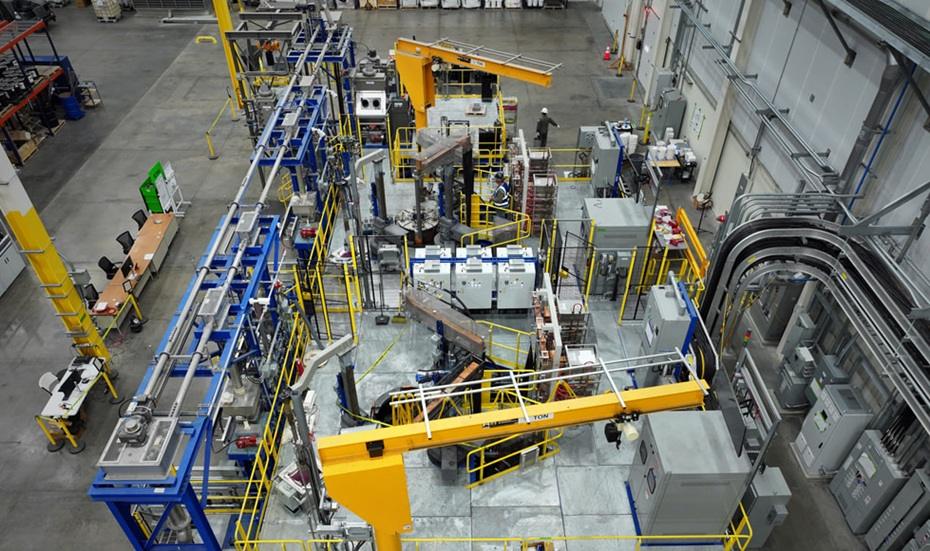
The recent landmark multi-year agreement between Apple and MP Materials, valued at $500 million, marks a significant inflection point in the global race to secure critical materials. This partnership, focused on domestic rare earth magnet production at MP Materials’ Texas facility and the establishment of a new recycling line in Mountain Pass, California, transcends mere corporate procurement. It represents a strategic fortification of supply chains for essential components driving advanced technology and, by extension, the broader energy transition. Apple’s ambition to achieve 100% recycled rare earth elements in its device magnets by 2025 – a goal already nearing completion with over 99% recycled content reported – underscores the immediate demand for sustainable and secure sources. For investors in the energy sector, this move highlights a growing recognition that future energy systems, whether conventional or renewable, are inherently reliant on a diverse array of raw materials, many of which face geopolitical and logistical vulnerabilities.
The collaboration extends beyond immediate supply, with plans to develop novel magnet materials and processing technologies, enhancing performance and boosting overall production capacity. This R&D commitment, coupled with the creation of new advanced manufacturing and R&D jobs, aligns perfectly with broader US government initiatives. The Department of Defense’s prior investment in MP Materials to reduce reliance on foreign supply chains, particularly from China, illustrates the national security dimension of critical mineral independence. As the world pushes towards a net-zero economy, the secure and domestic sourcing of materials like rare earths becomes as strategically vital as the reliable supply of hydrocarbons, impacting everything from electric vehicles and wind turbines to defense technologies. Savvy energy investors are increasingly evaluating companies not just on their direct energy output, but on their upstream mineral security and their role in building resilient industrial ecosystems.
Market Dynamics and the Rare Earth Echo
While the immediate spotlight is on critical minerals, the broader energy market provides an essential backdrop for investment sentiment and capital allocation. As of today, Brent crude trades at $94.59 per barrel, reflecting a modest daily dip of 0.36% within a tight range. West Texas Intermediate (WTI) crude similarly saw a slight decline, settling at $90.83. This relative calm contrasts sharply with the significant volatility observed over the past few weeks, where Brent crude notably shed nearly 9%, falling from a peak of $102.22 on March 25th to $93.22 just yesterday. The price of gasoline also registered a minor decrease to $2.99, indicating a broader, albeit subtle, cooling in refined product markets.
This recent downward pressure on crude prices, even amidst ongoing geopolitical complexities, suggests a cautious investor sentiment regarding global demand and supply balances. This market behavior holds a pertinent parallel for critical minerals. Just as oil prices are dictated by supply security, demand growth, and geopolitical stability, the cost and availability of rare earths are similarly vulnerable to these forces. The Apple-MP Materials deal, therefore, can be viewed as a proactive de-risking strategy, aiming to insulate a vital supply chain from the kind of volatility and geopolitical leverage that can plague other commodity markets. Investors should recognize that securing materials essential for future energy and technology infrastructure is a direct hedge against future price shocks and supply disruptions, mirroring the long-term strategic importance of securing hydrocarbon reserves.
Investor Focus: Navigating Energy Transition and Supply Chain Risks
Our proprietary reader intent data reveals a consistent and strong investor focus on forward-looking price discovery within the energy sector. Queries regarding base-case Brent price forecasts for the next quarter and consensus 2026 Brent outlooks dominate, underscoring a pervasive desire for clarity on future commodity pricing and market direction. This intense interest in the future value of traditional energy assets is increasingly being complemented by a nuanced understanding of the broader energy transition landscape. Investors are not just asking about Chinese teapot refinery runs or Asian LNG spot prices; they are also implicitly evaluating the stability and costs of the inputs required for the next generation of energy technologies.
The Apple-MP Materials partnership directly addresses these underlying concerns. By investing in domestic rare earth production and recycling, Apple is mitigating a critical supply chain risk that could otherwise constrain the growth and profitability of sectors reliant on advanced magnets – sectors that are integral to the energy transition, such as electric vehicles, renewable energy generation, and advanced consumer electronics. For oil and gas investors looking to diversify or understand adjacent markets, this deal highlights the strategic value of companies that are actively building resilience in critical mineral supply. It’s a signal that securing future growth pathways in the “new energy” economy demands robust, localized, and sustainable sourcing strategies, providing a clear investment thesis for companies positioned at the forefront of critical materials development and processing.
Forward Catalysts: Policy, Production, and Price
The coming weeks are poised to deliver several key data points and policy decisions that will significantly influence the global energy complex, offering crucial insights for investors. On April 17th and again on April 24th, the Baker Hughes Rig Count will provide a timely snapshot of upstream drilling activity, signaling potential shifts in future production capacity. More critically for global crude markets, the OPEC+ Joint Ministerial Monitoring Committee (JMMC) meeting on April 18th, followed by the full Ministerial meeting on April 20th, will be under intense scrutiny. Any indications regarding production quotas or supply strategies from these meetings could trigger substantial market movements and reshape near-term price expectations.
In parallel, the API Weekly Crude Inventory reports on April 21st and April 28th, alongside the EIA Weekly Petroleum Status Reports on April 22nd and April 29th, will offer granular detail on US supply and demand dynamics, including crude stocks, refinery utilization, and product inventories. These events are direct catalysts for traditional energy markets. However, their impact resonates with the critical minerals narrative: stable energy prices and secure supply chains are foundational for broader economic activity and technological advancement. The Apple-MP Materials deal, therefore, represents a parallel effort to proactively stabilize a different, yet equally vital, supply chain. For MP Materials, the ongoing partnership with Apple, coupled with government support, acts as a powerful forward catalyst, signaling sustained demand and enabling further investment in capacity expansion and technological innovation, thereby strengthening domestic critical mineral resilience and ensuring long-term value creation in this crucial sector.


