Navigating New York’s Political Currents: Mamdani’s Vision and Energy Market Implications
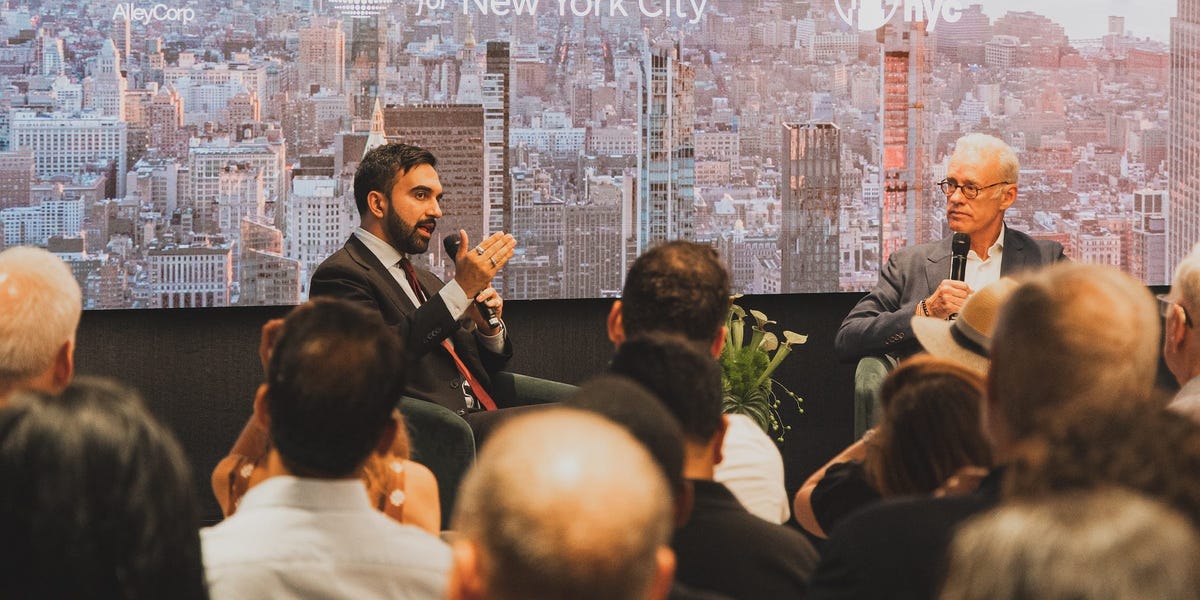
A recent gathering in Midtown, bringing together New York City’s vibrant tech community and prominent Democratic mayoral candidate Zohran Mamdani, offered a revealing glimpse into the future policy landscape of one of the world’s most critical financial and energy demand centers. While the discussion, hosted by the Partnership for New York City, Tech:NYC, and venture capital firm AlleyCorp, spanned diverse urban issues, astute energy investors must dissect the underlying financial and regulatory signals emanating from such high-profile political engagements. Mamdani, fresh off a primary victory and presenting a populist agenda, engaged an audience of approximately 200 startup founders, angel investors, and general partners from venture capital funds, outlining a vision for a city focused on the working class.
The event, held within a gleaming skyscraper, presented a stark contrast to the candidate’s grassroots campaign, which champions initiatives like free public transportation, a freeze on residential rents, and significant tax increases for the city’s wealthiest residents. For energy market participants, these proposals are not merely social policies; they represent potential shifts in urban energy consumption patterns, infrastructure investment, and fiscal policy that could directly impact the profitability and operational environment for oil and gas companies, renewable energy developers, and utility providers.
Transportation Policy: A Catalyst for Energy Transition?
Mamdani’s call for free city bus services immediately catches the attention of energy sector analysts. Such a policy, if implemented, would necessitate a substantial increase in public transit ridership. The energy implications are multifaceted: it could drive down individual private vehicle usage, potentially reducing gasoline demand in the short term. More critically, it raises questions about the funding and future fuel source for a vastly expanded and freely accessible bus fleet. New York City’s transit system is already a massive consumer of energy, primarily electricity and diesel. A mandate for free service could accelerate the electrification of the bus fleet, requiring significant investment in charging infrastructure and potentially straining the city’s electrical grid. This presents both challenges and opportunities for grid modernization, renewable energy integration, and the energy storage sector, while simultaneously signaling a long-term decline in demand for traditional fossil fuels in urban transportation.
Fiscal Policy and Capital Allocation: Impact on Energy Investment
A cornerstone of Mamdani’s platform involves substantial tax hikes for millionaires and billionaires. While framed as a means to fund social programs, the deployment of this capital is critical for energy market stability and growth. Will these increased revenues be channeled into green energy initiatives, such as offshore wind projects, grid resiliency upgrades, or building energy efficiency programs? Or will they primarily fund social services with less direct energy market impact? The perception of a higher tax burden could also influence capital flight, potentially reducing the overall pool of investment available for critical infrastructure projects, including those in the energy sector. Investors constantly evaluate regulatory and fiscal environments; a city perceived as less friendly to high-net-worth individuals or large corporations could see a reduction in the capital necessary for ambitious energy transition projects.
Regulatory Landscape and Operational Risks for Energy Firms
During the fireside chat, Mamdani and venture capitalist Kevin Ryan touched upon a range of issues from the tech scene to housing, childcare, healthcare, and government efficiency. While these topics seem broad, they collectively shape the economic climate that influences energy demand and investment. For instance, policies affecting housing and rent control can impact urban density and the energy efficiency of buildings, driving demand for smart energy solutions. Government efficiency, if genuinely improved, could streamline permitting processes for new energy infrastructure, from pipelines to solar farms, mitigating project delays and cost overruns that are a perennial concern for energy investors.
However, the political environment itself carries risks. Mamdani largely sidestepped direct discussion of his past controversial stances on Israel and the specific details of his tax proposals during the event. Such strategic deflections, while politically astute, can create uncertainty for investors seeking clear policy guidance. Unflattering comments, such as former President Donald Trump’s characterization of Mamdani as a “100% Communist Lunatic” who “looks TERRIBLE,” or a Sequoia Capital investor’s viral social media post calling him an “Islamist,” underscore a highly polarized political landscape. While not directly energy-related, a politically volatile environment can deter long-term capital commitments, as stability and predictability are paramount for large-scale energy infrastructure investments with decades-long horizons.
Evaluating the Broader Economic Context
Mamdani’s core message that New York is “too expensive” resonates with many voters. His proposals for rent freezes and free transit aim to address this. From an energy market perspective, reducing the cost of living could retain a skilled workforce, which is essential for the burgeoning green energy sector and the maintenance of existing energy infrastructure. Conversely, if these policies prove fiscally unsustainable or create unintended market distortions, they could negatively impact the city’s overall economic health, indirectly affecting energy demand and the willingness of companies to invest.
Energy investors must therefore look beyond the immediate headlines and analyze the financial viability and long-term implications of Mamdani’s ambitious agenda. The transition towards a more sustainable urban energy model is inevitable, but the pace and method of this transition are heavily influenced by local political leadership and fiscal policies. The engagement between a populist candidate and the tech and venture capital community in a major global city like New York highlights the growing intersection of urban policy, technological innovation, and energy market dynamics. For those tracking oil and gas and the broader energy complex, understanding these evolving political currents is crucial for informed investment decisions in an era of rapid energy transition.


