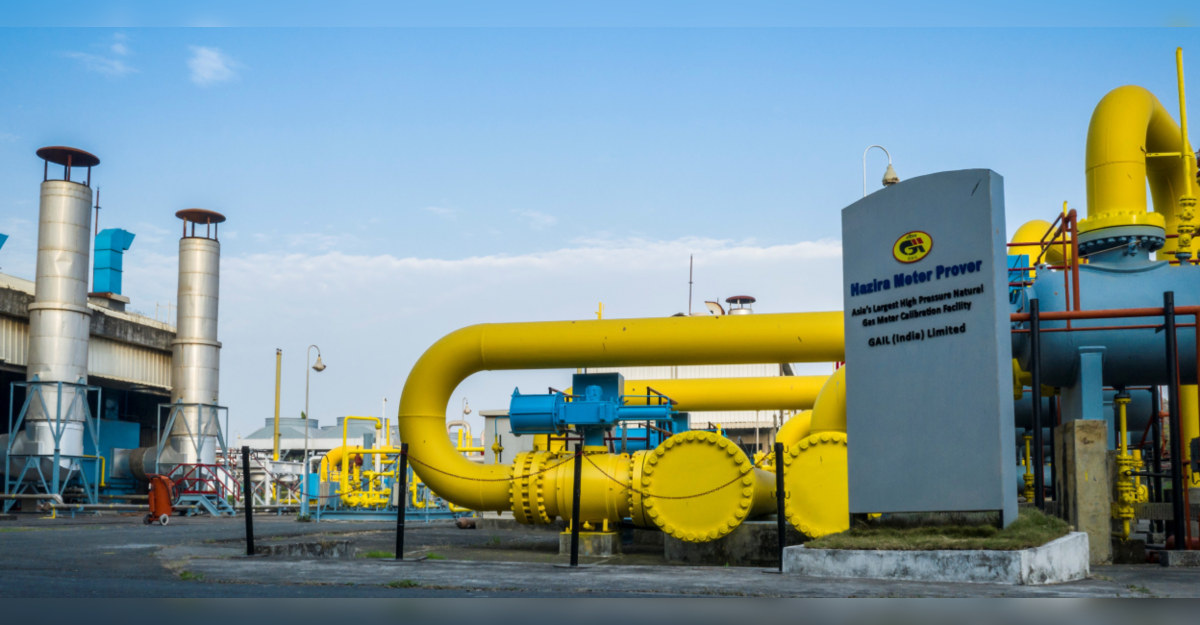
GAIL’s Alaska LNG Pursuit: A Strategic Imperative in a Volatile Energy Landscape
India’s state-backed energy giant, GAIL, is actively pursuing a long-term liquefied natural gas (LNG) supply contract with the proposed Alaska LNG project, a move that underscores India’s accelerating energy transition goals and its strategic efforts to diversify its import portfolio. These preliminary discussions with developer Glenfarne are more than just commercial negotiations; they represent a significant step in India’s broader ambition to reduce its carbon footprint and secure critical energy resources from the United States, aligning with bilateral trade objectives. For energy investors, this development highlights the enduring demand for substantial, stable LNG supply and the complex calculus involved in financing and executing mega-projects in a dynamic global market.
India’s Ambitious Gas Expansion Fuels Long-Term Supply Demand
India, currently the world’s fourth-largest LNG importer, has set an aggressive target to increase the share of natural gas in its energy mix from approximately 6% today to a robust 15% by 2030. This monumental shift necessitates a corresponding build-out of import infrastructure and, crucially, secure long-term supply agreements. GAIL, as a key driver of this national strategy, is already demonstrating its commitment through significant infrastructure expansion. The company plans to boost the capacity of its Dabhol LNG terminal from 5 million metric tons per year (MTPA) to 6.3 MTPA by mid-2027, with an even more ambitious target of 12.5 MTPA by 2031-32. To feed these expanded capacities, GAIL has been proactively seeking equity stakes in existing or new LNG projects commissioned by 2030, in addition to its current portfolio of contracts totaling 15.5 MTPA, which includes 5.8 MTPA from the United States. This aggressive push for diversified, long-term supply from geopolitically stable regions like Alaska is a direct response to India’s burgeoning energy needs and its strategic pivot towards a gas-based economy.
Alaska LNG: A High-Stakes Project Facing Commercial and Geopolitical Scrutiny
The Alaska LNG project, with its potential to export up to 20 MTPA of super-chilled gas and an estimated price tag of $44 billion, represents a colossal undertaking. While championed by various US administrations, the project has languished on the drawing board for over a decade, highlighting the immense challenges in bringing such ventures to fruition. Developer Glenfarne recently reported significant commercial interest, with 50 firms formally expressing intent, and secured a notable 20-year agreement with Thailand’s PTT for 2 MTPA. However, the ongoing discussions with GAIL underscore a critical hurdle: the landed cost of LNG. This factor remains paramount for potential buyers, with other major energy players like South Korea and Japan’s JERA awaiting greater clarity on the project’s financing and overall cost structure before committing. Investors are keenly focused on the viability of large-scale energy projects in the current environment, often asking about the underlying economics. Our proprietary data indicates a strong investor interest in understanding “what’s driving Asian LNG spot prices this week?” This question directly relates to the competitiveness of new, long-term supply sources like Alaska LNG, which must offer attractive pricing against a backdrop of volatile spot markets. Glenfarne targets a final investment decision (FID) for the first phase of the project, including a 765-mile pipeline to deliver gas to the Anchorage region, in the fourth quarter of this year. This FID will be a pivotal moment, signaling whether the project can overcome its historical challenges and attract the necessary capital and long-term commitments.
Navigating Current Market Volatility and Upcoming Catalysts
The backdrop for these high-stakes negotiations is a global energy market characterized by persistent volatility. As of today, Brent crude trades at $94.7, marking a slight decline of 0.24% within a day range of $94.7 to $94.91. WTI crude follows a similar trend at $90.97, down 0.35%, fluctuating between $90.85 and $91.5. This minor daily dip comes against a backdrop of a more significant 14-day Brent trend, which saw prices fall from $102.22 on March 25th to $93.22 by April 14th, representing an 8.8% decline. Gasoline prices are holding steady at $3 with a marginal 0.33% decrease. These price movements, while influencing broader sentiment, are just one piece of the puzzle. Investors are consistently seeking forward-looking insights, with questions like “build a base-case Brent price forecast for next quarter” frequently appearing in our reader intent data. The inherent uncertainty in crude pricing directly impacts the economics and perceived risk of massive, long-term energy infrastructure projects like Alaska LNG, even those focused on natural gas. Looking ahead, the next two weeks present several key events that could inject further volatility or clarity into the energy markets. The Baker Hughes Rig Count on April 17th and 24th will provide insights into drilling activity, signaling potential shifts in future supply. More critically, the OPEC+ Joint Ministerial Monitoring Committee (JMMC) meeting on April 18th, followed by the Full Ministerial meeting on April 20th, will be closely watched for any changes in production policy. These decisions could significantly impact crude prices and, by extension, the broader energy investment landscape relevant to large-scale LNG projects. Additionally, weekly inventory reports from API (April 21st, 28th) and EIA (April 22nd, 29th) will offer granular data on supply-demand balances in the US, providing immediate market signals that could influence short-term trading and long-term investment strategies.
Strategic Imperative and Long-Term Investment Outlook for LNG
GAIL’s pursuit of Alaska LNG is not merely a commercial transaction; it is a strategic maneuver embedded within India’s broader economic and geopolitical objectives. Importing more energy from the United States is part of a larger trade agreement aimed at narrowing India’s trade surplus with Washington, thereby mitigating the risk of hefty US tariffs. This adds a critical layer of diplomatic and economic incentive to the commercial discussions, potentially influencing the “landed cost” negotiations. For investors, the long-term nature of LNG contracts, exemplified by PTT’s 20-year commitment and GAIL’s own 2030-2032 infrastructure timelines, underscores the need for a patient, strategic investment horizon. While the upfront capital expenditure for projects like Alaska LNG is substantial, the potential for stable, long-term cash flows from diversified and reliable supply sources remains a powerful draw. The project’s timeline, with exports potentially starting by 2030, aligns with India’s aggressive demand growth projections. In an environment where questions persist about “how Chinese tea-pot refineries are running this quarter” – indicating a broader interest in Asian demand dynamics – securing a stable, long-term supply from a non-OPEC+ source like Alaska provides a crucial hedge against regional market fluctuations and geopolitical uncertainties. The investment thesis in long-term LNG hinges on the conviction that global gas demand, particularly from rapidly industrializing nations like India, will continue to grow, making diversified supply streams invaluable despite the inherent complexities and capital intensity of such ventures.


