Uttar Pradesh’s Gram-Urja Initiative Targets Major LPG Demand Reduction, Shaking Up India’s Energy Outlook
In a significant move poised to reshape India’s energy landscape and potentially impact global liquefied petroleum gas (LPG) markets, the state of Uttar Pradesh (UP) has unveiled its ambitious Gram-Urja model. This pioneering initiative, announced on July 15, 2025, aims to dramatically boost energy self-sufficiency within its vast rural communities while simultaneously reducing domestic LPG consumption by an astounding 70%. For investors closely monitoring the subcontinent’s prodigious energy demand, this represents a pivotal development demanding careful scrutiny.
India, a colossal consumer and importer of LPG, has seen its demand for the cooking fuel rise steadily over the years, driven by government subsidies and expanding access to modern energy solutions for its populace. Any policy shift threatening to curb this growth, especially from a state as populous and agriculturally significant as Uttar Pradesh, carries substantial implications for energy majors, distributors, and commodity traders alike. The Gram-Urja model is not merely an environmental undertaking; it is a strategic economic and energy security play with direct financial repercussions for the oil and gas sector.
Decentralized Energy Production at the Core
The essence of the Gram-Urja model lies in fostering decentralized energy production directly at the household and farm level. By promoting the local generation of biogas, derived from organic waste, UP seeks to empower its rural residents with sustainable and affordable alternatives to conventional cooking fuels. This initiative is strategically integrated with the existing Mahatma Gandhi National Rural Employment Guarantee (MGNREGA) scheme, providing a robust framework for implementation and ensuring direct benefits reach farmers and rural households.
Under this scheme, individual biogas units will be installed either near homes or directly on farms. These units serve a dual purpose: they convert agricultural waste and animal dung into clean cooking gas for household use, and they produce organic fertilizer. This innovative approach promises a cascade of benefits for rural families. Farmers will experience a significant reduction in their operational costs by producing their own cooking fuel and fertilizer, thereby enhancing agricultural productivity and profitability. The model also encourages the construction of personal cattle sheds, ensuring a consistent supply of dung—a key feedstock for the biogas units.
The 70% LPG Reduction Target: A Game Changer?
The most striking financial implication for the energy sector is the stated goal of reducing domestic LPG consumption by nearly 70% at the village level. Anurag Srivastava, OSD, Uttar Pradesh Gauseva Commission, highlighted that the widespread adoption of domestic biogas units would not only significantly lower household energy expenses but also contribute substantially to environmental conservation efforts. This ambitious target, if achieved, could fundamentally alter the demand trajectory for LPG in India, a nation whose energy consumption patterns are keenly watched by global markets.
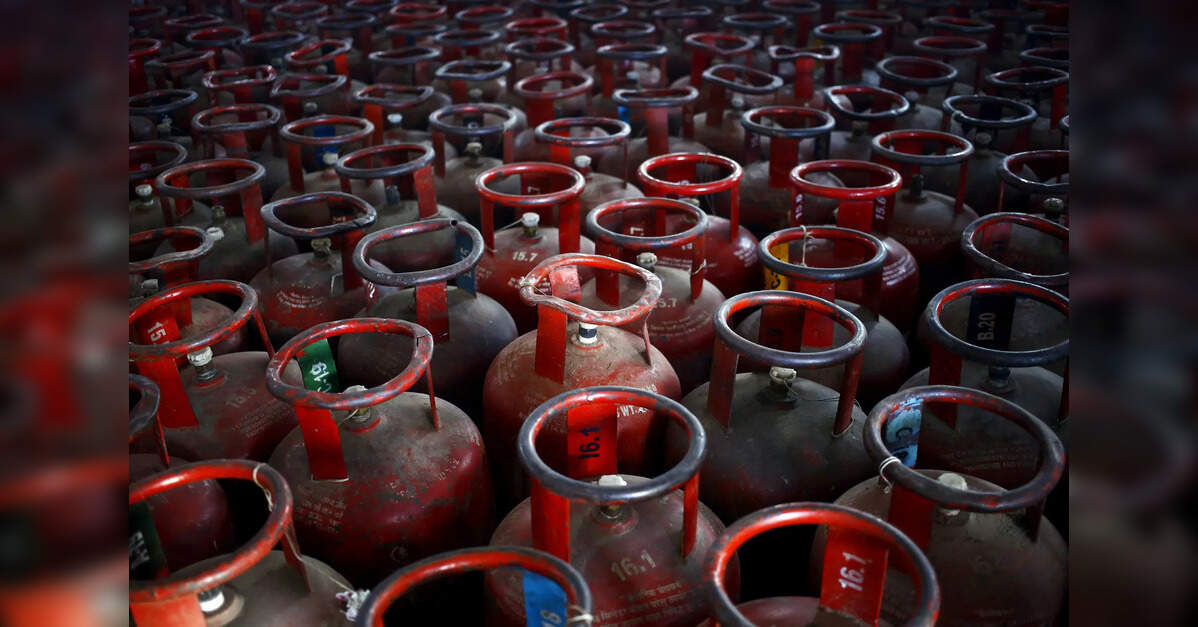
Consider the scale: Uttar Pradesh is home to over 240 million people, making it the most populous state in India. A 70% reduction in LPG usage across a significant portion of its rural population would translate into millions of fewer cylinders purchased annually. For international LPG suppliers and domestic bottling and distribution companies, this represents a potential contraction in a previously reliable growth market. Investors with exposure to Indian LPG infrastructure or those holding stakes in global LPG producers should carefully model the potential downside risks associated with such a large-scale demand shift.
Beyond Cooking Gas: New Income Streams and Organic Fertilizer Markets
The Gram-Urja model extends its economic benefits beyond mere fuel substitution. Farmers utilizing these biogas units can also sell the leftover slurry—a nutrient-rich byproduct—as organic fertilizer to neighboring cultivators. This creates an entirely new income stream for rural households, fostering greater economic self-sufficiency and stimulating a localized organic fertilizer market. This aspect could also indirectly impact the demand for chemical fertilizers, further diversifying the investment implications of the scheme.
Furthermore, the state government plans to establish larger biogas and organic fertilizer plants in 43 selected cow shelters across Uttar Pradesh. Each of these facilities is projected to produce up to 50 quintals of slurry per month, providing a substantial source of valuable organic fertilizer for farmers practicing organic agriculture nearby. This parallel initiative underscores the state’s holistic approach to agricultural sustainability and decentralized resource management, creating both energy and agricultural value from waste streams.
Implications for India’s Energy Security and Investment Landscape
The Gram-Urja model aligns perfectly with India’s broader strategic objective of enhancing energy security and reducing its reliance on imported fossil fuels. By empowering rural communities to generate their own clean energy, Uttar Pradesh is not only addressing local needs but also contributing to national energy independence goals. For investors, this signals a clear governmental preference for indigenous, renewable energy solutions, potentially redirecting capital towards biogas technology providers, organic farming enterprises, and companies specializing in rural infrastructure development.
While the 70% target is aggressive, the commitment from the state government, coupled with integration into existing welfare schemes like MGNREGA, provides a strong foundation for implementation. However, market participants will need to closely monitor the actual adoption rates, the efficiency of unit installations, and the sustained functionality of these biogas systems. Challenges related to maintenance, feedstock availability, and user training will be critical determinants of the program’s long-term success and its ultimate impact on LPG demand. Nevertheless, the direction is clear: India’s energy transition is accelerating, and decentralized renewable solutions are increasingly central to its strategy. This pivot in Uttar Pradesh serves as a potent reminder for energy investors to continuously re-evaluate their portfolios in light of evolving policy landscapes and burgeoning green technologies.


