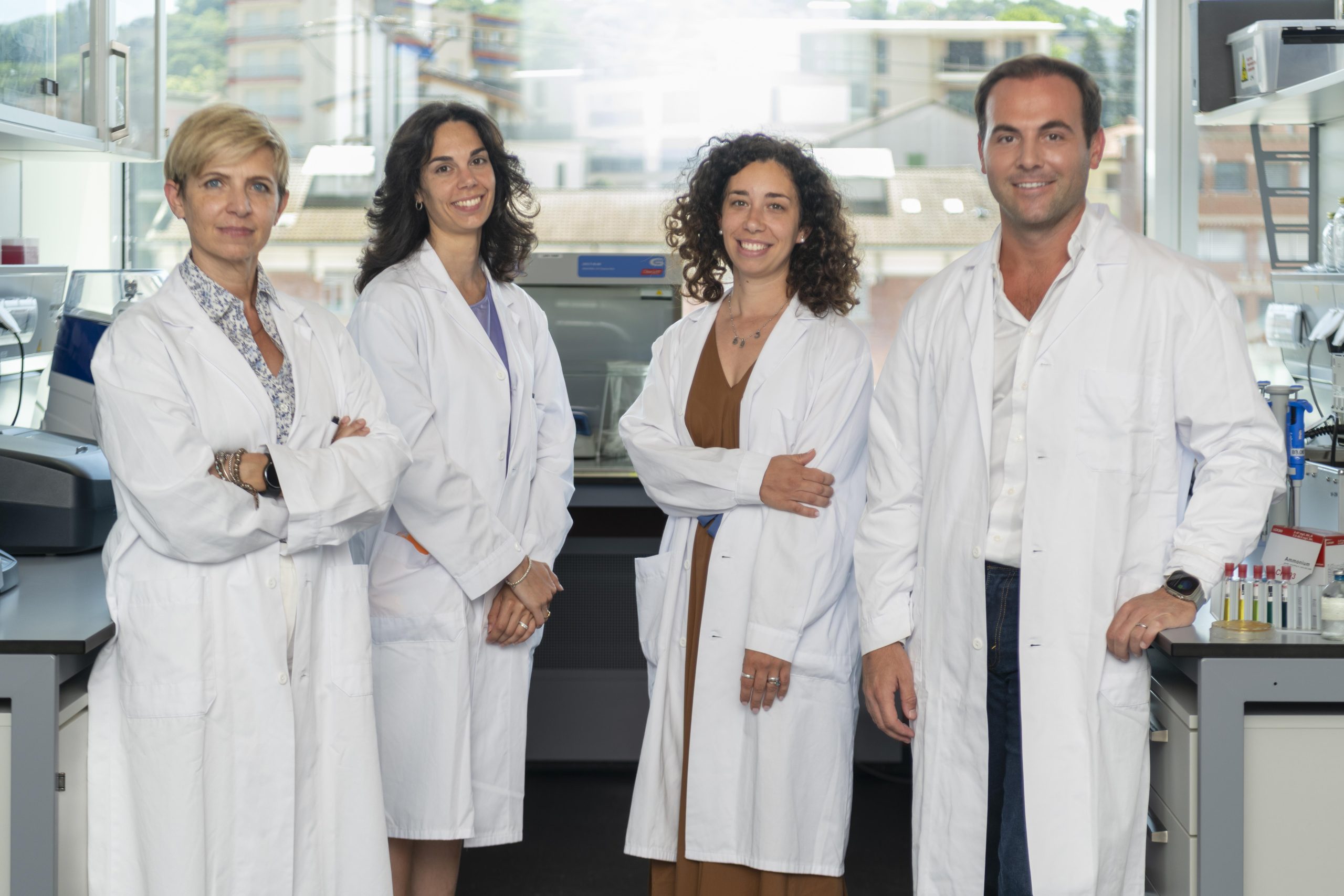
The global oil and gas industry constantly seeks groundbreaking innovations to enhance operational efficiency, reduce environmental impact, and secure long-term value for investors. A recent scientific revelation from researchers at EPFL’s Soils Mechanics Laboratory, in collaboration with the University of Applied Sciences and Arts of Southern Switzerland (SUPSI) and the EPFL spin-off Medusoil SA, presents a compelling development in this pursuit. Published in Scientific Reports, this study unveils a unique biological pathway for converting carbon dioxide (CO2) directly into solid mineral, holding significant implications for Enhanced Oil Recovery (EOR) strategies and the broader carbon management landscape within the energy sector.
A Paradigm Shift in Carbon Management
At the core of this breakthrough is the bacterium B. megaterium, which demonstrates an exceptional metabolic capability. Under specific, high-CO2 conditions—concentrations exceeding 470 times those found in the Earth’s atmosphere—this microorganism dramatically alters its metabolic approach. It employs a potent enzyme, carbonic anhydrase, to efficiently transform gaseous CO2 into bicarbonate. This bicarbonate then reacts with available calcium ions, culminating in the formation of solid calcite, a stable mineral. What truly distinguishes this process is its remarkable efficiency: an astonishing 94% of the resulting mineral is derived directly from CO2, rather than from nitrogen-based compounds like urea, which are typically involved in similar biological mineralization processes.
Dimitrios Terzis, a corresponding author on the study and co-founder of Medusoil SA, emphasizes the novelty of this approach. While numerous bacteria are known for their ability to induce crystal formation, the direct utilization of CO2 as the primary carbon source sets this research apart. “The potential that lies ahead is huge,” Terzis notes, signaling an exciting future for scaling this technology to industrial applications.
Cleaner Pathways for Enhanced Oil Recovery and Beyond
The oil and gas industry, a significant player in global energy, continually explores methods to optimize reservoir performance and minimize its environmental footprint. This bacterial mineralization process offers a compelling avenue for both. In Enhanced Oil Recovery operations, CO2 injection is a widely adopted technique to boost production from mature reservoirs. The challenge often lies in the subsequent management and permanent sequestration of this injected CO2. By providing a clean, biologically driven method to convert CO2 into a stable solid mineral, B. megaterium could potentially transform how CO2 is handled during and after EOR, leading to more sustainable and environmentally compliant operations.
The significance of this discovery lies in the dual metabolic pathways possessed by B. megaterium. While it can induce mineral formation through ureolysis—a process reliant on nitrogen compounds—this pathway typically generates undesirable byproducts such as ammonia. In contrast, the carbonic anhydrase activity offers a far cleaner route, directly capturing CO2 and solidifying it without any toxic residues. This “clean technology” aspect is a critical differentiator for investors focused on ESG (Environmental, Social, and Governance) factors, offering a pathway to reduce the carbon intensity of oil and gas production.
Investment Implications: ESG, Efficiency, and New Value Streams
For investors in the oil and gas sector, this research points to several strategic advantages. Firstly, it offers a powerful tool for carbon capture, utilization, and storage (CCUS). As regulatory pressures intensify and carbon pricing mechanisms become more prevalent, technologies that enable efficient and permanent CO2 sequestration will become invaluable. Implementing such a solution could significantly improve the environmental profile of upstream operations, mitigating risks associated with carbon emissions and bolstering a company’s ESG standing.
Secondly, the potential integration into EOR projects could lead to enhanced operational efficiency. By enabling in-situ sequestration of injected CO2 or managing associated gas streams more effectively, this technology could optimize reservoir performance while simultaneously addressing environmental concerns. This could translate into reduced compliance costs, fewer liabilities, and a more secure social license to operate.
Pamela Principi, a researcher at SUPSI, highlighted the rigorous methodology behind the findings. The use of C13-labelled urea was instrumental in precisely tracing the carbon’s origin within the mineral, validating the microbial pathways. This meticulous scientific approach underscores the robustness of the discovery, providing confidence in its potential for future scalability and commercialization. The interdisciplinary nature of the research, bridging microbiology, geochemistry, and materials science, is a testament to the comprehensive understanding achieved.
From Laboratory to Field: The Future Horizon
While the immediate applications of this technology extend beyond the oil and gas sector—with potential for carbon-sequestering binders in construction and restorative materials—its implications for petroleum industry innovation are profound. As the global energy transition progresses, the ability to produce hydrocarbons with a minimal environmental footprint will become a competitive differentiator. This biological mineralization process offers a novel, potentially cost-effective, and environmentally benign method to manage CO2 emissions directly from operational sources.
The research team’s enthusiasm for upscaling this technology signals a clear path towards commercial application. Oil and gas companies, particularly those with significant EOR operations or substantial CO2 emissions, should closely monitor these developments. Investments in R&D, pilot projects, and strategic partnerships with biotech innovators like Medusoil SA could position early adopters at the forefront of sustainable energy production. This microbial solution represents not just a scientific curiosity, but a tangible opportunity for the oil and gas industry to optimize its recovery processes, enhance its environmental stewardship, and unlock new value in a carbon-constrained world.