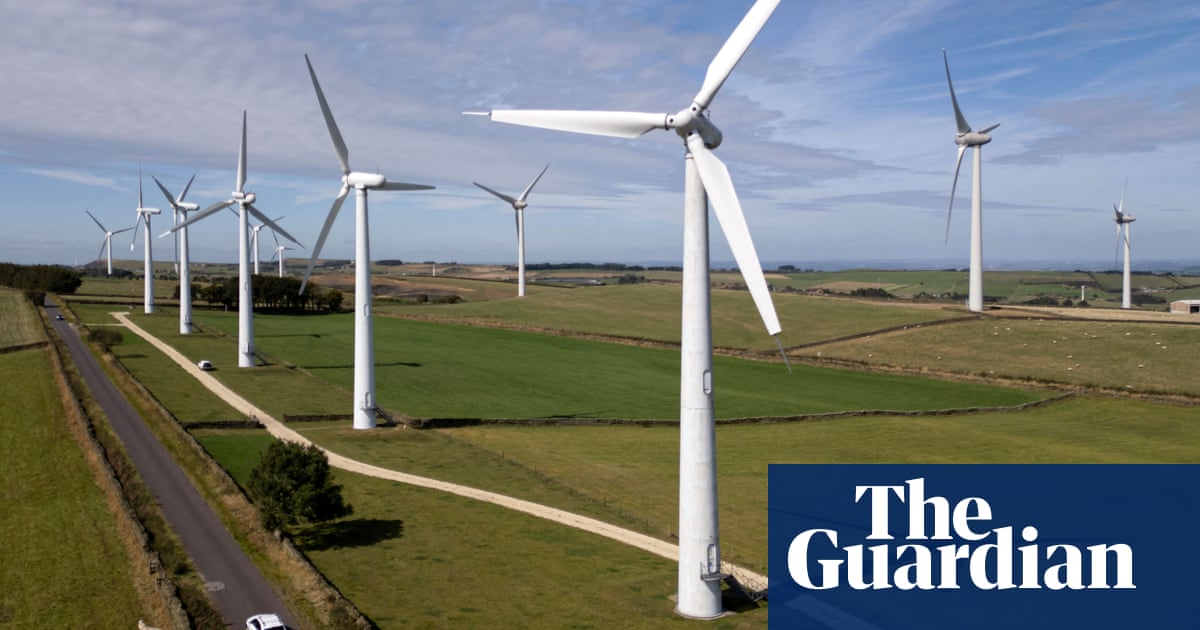
The United Kingdom, a nation often seen as a bellwether for Western energy transition efforts, is grappling with a significant challenge that carries profound implications for global oil and gas markets. Recent government forecasts reveal a concerning lag in the rollout of clean electricity infrastructure, setting the UK on a trajectory to fall short of its legally binding climate targets by a substantial margin. This structural deficit in clean power generation is not merely a domestic policy issue; it fundamentally alters the demand outlook for conventional hydrocarbons, extending their vital role in one of the world’s major economies. For astute investors, this unexpected delay presents a nuanced opportunity, challenging prevailing narratives of an imminent, rapid decline in oil and gas demand.
The UK’s Decarbonization Setback and Extended Hydrocarbon Reliance
The latest 10-year forecast from the National Energy System Operator (Neso) paints a clear picture: Britain is not advancing its clean electricity supply fast enough to meet its climate goals. By 2035, the UK is projected to emit 274 million tonnes of carbon (MtCO2), a figure significantly higher than the target range of 185–204 MtCO2 required to stay on track for its 2050 net-zero commitment. This represents a shortfall of nearly a third in emissions reductions compared to desired scenarios. The core of the problem lies in the pace of renewable energy deployment. While the UK is expected to reach 148 GW of renewable electricity capacity by 2035, Neso’s analysis indicates a need for between 170 GW and 190 GW by that time to achieve climate targets. This persistent gap, ranging from 22 GW to 42 GW, underscores an undeniable reality: the UK will continue to rely more heavily on traditional energy sources, including natural gas and by extension, oil products, for longer than previously anticipated. For oil and gas investors, this translates directly into an extended runway for demand in a major developed economy, adding a layer of resilience to future consumption projections that might otherwise be overlooked.
Market Dynamics and Investor Sentiment: What’s Driving Brent?
This extended demand signal from the UK arrives at a fascinating juncture in the global energy market. As of today, Brent crude trades at $94.93, with West Texas Intermediate (WTI) crude holding at $91.29. While these levels suggest a robust pricing environment, the recent trend indicates some volatility. Brent, for instance, has seen a notable retreat from $102.22 on March 25th to $93.22 just yesterday, reflecting an 8.8% decline over a two-week period. This current market posture, characterized by strong underlying demand but punctuated by short-term price adjustments, naturally fuels investor inquiries. Our proprietary reader intent data reveals a keen focus among investors on constructing a reliable base-case Brent price forecast for the next quarter, alongside a desire to understand the consensus 2026 Brent outlook. The UK’s clean power lag, while localized, contributes to a more complex global demand equation. It introduces a bullish counterweight to narratives of rapid energy transition and demand destruction, suggesting that the “peak oil demand” horizon might be further out, or at least less steep, than some models currently predict. This nuance is critical for investors seeking to refine their long-term portfolio strategies in the energy sector.
Policy Gaps, Project Delays, and the Path Forward
The reasons behind the UK’s shortfall are multifaceted, stemming from what has been described as “significant risks” and “insufficient plans” in delivering necessary emissions reductions. Officials emphasize the urgent need to “go further and faster, accelerating the rollout of clean energy technologies” and promoting energy efficiency across industrial bases, homes, and transport. However, the current trajectory suggests that halving emissions to approximately 200 MtCO2 by 2035 will remain out of reach without a dramatic acceleration in low-carbon technology adoption. This structural inertia, driven by policy implementation challenges and the sheer scale of infrastructure required, highlights the protracted nature of the energy transition. For investors, this translates into continued demand for reliable, dispatchable power, often sourced from natural gas, to backstop intermittent renewables. The reality is that the transition is not a straight line, and these delays in major economies underscore the continued strategic importance of diversified energy portfolios, including those with exposure to conventional oil and gas assets that can provide stability during this extended transition phase.
Navigating Upcoming Market Catalysts: Implications for Global Supply
The implications of the UK’s extended hydrocarbon reliance resonate globally, particularly as we look at critical upcoming market events that will shape supply-demand balances. The next two weeks are packed with significant catalysts, offering investors crucial insights into market direction. The OPEC+ Joint Ministerial Monitoring Committee (JMMC) meeting on April 18th, followed by the Full Ministerial meeting on April 20th, are paramount. These gatherings will determine future production quotas and influence global supply levels. Will the collective group perceive sufficient global demand, perhaps influenced by extended reliance in economies like the UK, to maintain current policies or even consider adjustments? Simultaneously, the Baker Hughes Rig Count reports on April 17th and 24th will provide real-time updates on North American drilling activity, a key indicator of future supply from non-OPEC producers. Adding to this, the API Weekly Crude Inventory reports on April 21st and 28th, along with the EIA Weekly Petroleum Status Reports on April 22nd and 29th, will offer granular data on U.S. crude and product inventories, reflecting immediate supply-demand dynamics. These events, against the backdrop of an extended reliance on conventional fuels in a major economy like the UK, underscore the continued sensitivity of global oil and gas prices to both supply-side decisions and real-world demand deviations from aggressive decarbonization schedules. Savvy investors will be closely monitoring these developments, understanding that each piece of market intelligence contributes to a more accurate forecast of energy sector performance.


