The global oil market stands at the precipice of a significant geopolitical reshuffle, as a proposed legislative package in the United States threatens to fundamentally alter trade dynamics for major crude importers like India and China. The “Sanctioning Russia Act of 2025” introduces a groundbreaking provision: a staggering 500% tariff on goods imported from any nation continuing to purchase Russian energy products. This unprecedented move, signaling a hardening stance against Moscow, could trigger immense volatility and redefine global energy flows, compelling investors to re-evaluate their positions and strategies in a rapidly evolving landscape.
The Looming 500% Tariff Threat and Market Implications
The core of the proposed legislation targets countries that currently form the backbone of Russia’s energy export market, specifically India and China, which together account for an estimated 70% of Moscow’s oil exports. A 500% tariff on their goods entering the U.S. would represent an economic earthquake, designed to force a re-evaluation of their energy sourcing. The potential for such a drastic trade measure injects a new layer of uncertainty into an already volatile crude market.
As of today, Brent crude trades at $90.38, reflecting a notable 9.07% decline within the day’s range of $86.08 to $98.97. Similarly, WTI crude is priced at $82.59, down 9.41% from its daily high of $90.34. This recent downturn follows a broader trend, with Brent shedding $20.91, or 18.5%, over the past two weeks, dropping from $112.78 on March 30 to $91.87 just yesterday. While a multitude of factors contribute to daily price movements, the underlying threat of a seismic shift in global trade relations, as embodied by this tariff proposal, undeniably adds a layer of risk premium that market participants are beginning to price in. The potential disruption to established supply routes, particularly involving the world’s largest energy consumers, could lead to significant shifts in pricing structures not just for crude oil, but also for refined products like gasoline, which currently trades at $2.93, having declined 5.18% today.
Geopolitical Chess: Presidential Power and Waiver Flexibility
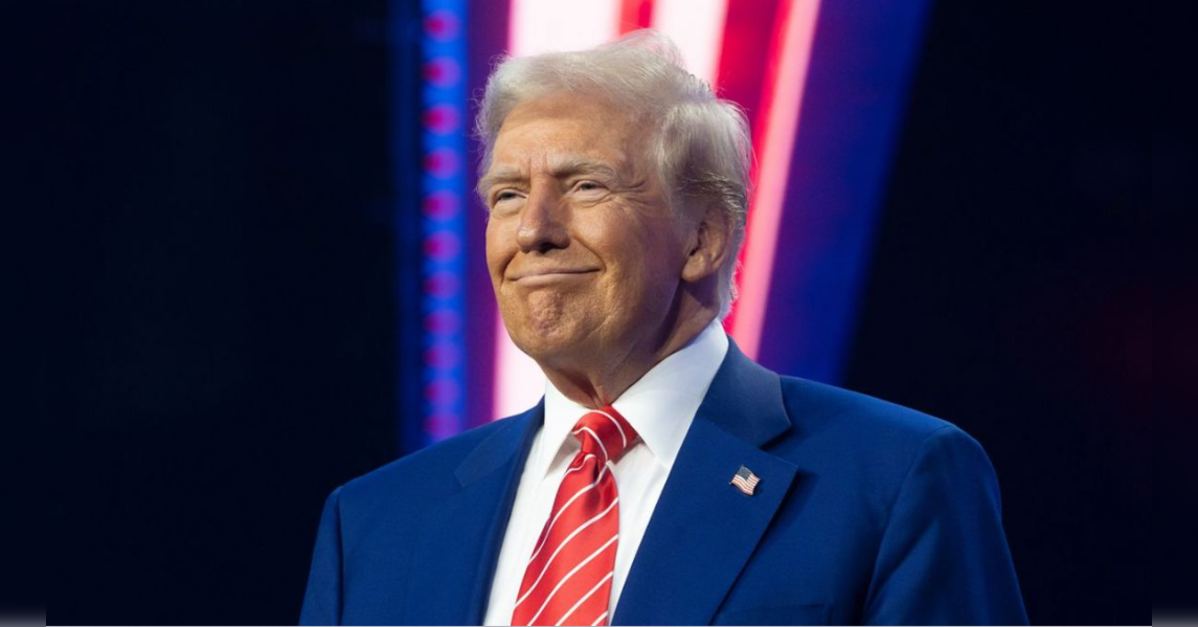
The “Sanctioning Russia Act of 2025,” introduced in April by Senator Lindsey Graham, has gained significant traction with former President Donald Trump signaling his strong support and encouraging lawmakers to advance the bill. Trump has explicitly stated his control over the application of the law, affirming, “It’s totally my option. They pass it totally at my option, and to terminate totally at my option.” This executive discretion is a critical component for investors to understand.
The bill is not a blunt instrument without nuance. It notably includes a clause allowing the U.S. President to issue a one-time, 180-day waiver to any country based on national security concerns, with lawmakers considering amendments for a possible second waiver under specific conditions. This flexibility transforms the tariff threat into a powerful diplomatic and negotiating tool rather than an automatic punitive measure. The broader context of Trump’s “tariff diplomacy,” exemplified by new tariffs on smaller U.S. trading partners like the Philippines, Brunei, and Serbia (35% tariff), underscores a consistent strategy of using trade pressure to achieve foreign policy objectives. For investors asking about the future price of oil per barrel by the end of 2026, this inherent uncertainty and presidential discretion introduce a significant variable that can either amplify or mitigate market shocks, making long-term forecasting even more challenging than usual.
Navigating Supply Shocks: Upcoming Events and 2026 Outlook
The prospect of a 500% tariff, even if wielded as a diplomatic lever, creates a profound forward-looking challenge for global energy markets. Investors must consider how this potential disruption intersects with scheduled market events and the broader supply-demand outlook for 2026. The coming days are particularly critical, with several key events on the calendar that could be heavily influenced by geopolitical shifts.
This Saturday, April 18, and Sunday, April 19, the OPEC+ Joint Ministerial Monitoring Committee (JMMC) and the Full Ministerial Meeting are set to convene. These meetings are pivotal as investors are keenly asking about OPEC+’s current production quotas. Should the tariff threat escalate, forcing India and China to significantly reduce Russian oil imports, OPEC+ would face immense pressure to either increase output to stabilize global supply or maintain discipline to support prices amidst fragmented demand. Following these, the API Weekly Crude Inventory report on April 21 and the EIA Weekly Petroleum Status Report on April 22 will provide crucial insights into immediate supply and demand dynamics, with further updates on April 28 and April 29, respectively. Any signs of significant inventory builds or draws, particularly in response to perceived trade shifts, will be closely watched. Additionally, the Baker Hughes Rig Count reports on April 24 and May 1 will offer a glimpse into the confidence of U.S. producers. A sustained period of geopolitical trade uncertainty could deter new investment in upstream activities, potentially tightening future supply even as demand patterns shift. The implications of these tariffs, if enacted, could fundamentally reroute global crude flows, impact refining margins, and add a substantial political premium or discount to the price of oil well into 2026.
Investment Strategy Amidst Unprecedented Trade Risk
For astute oil and gas investors, the “Sanctioning Russia Act of 2025” presents both formidable risks and potential opportunities. The immediate concern is heightened market volatility and the potential for severe disruption to established supply chains. Companies heavily reliant on Russian crude, or those with significant import/export operations with India and China, could face unprecedented operational and financial headwinds if tariffs are imposed. This demands a critical re-evaluation of geographic exposure and supply diversification.
Conversely, non-Russian oil producers in stable regions, particularly those with existing infrastructure to supply markets previously dominated by Russian crude, could see increased demand and pricing power. Furthermore, companies involved in the logistical re-routing of crude, such as shipping firms with flexible fleets or those specializing in long-haul routes, might benefit from the altered trade landscape. Investors must conduct thorough due diligence, scrutinizing the resilience of their portfolios to sudden shifts in trade policy. The ongoing investor inquiries regarding the 2026 oil price outlook underscore the deep uncertainty pervading the market. This proposed tariff, with its potential for a 500% impact, serves as a stark reminder that geopolitical factors can rapidly override traditional supply-demand fundamentals, necessitating a dynamic and adaptable investment strategy focused on resilience and diversification within the global energy sector.


