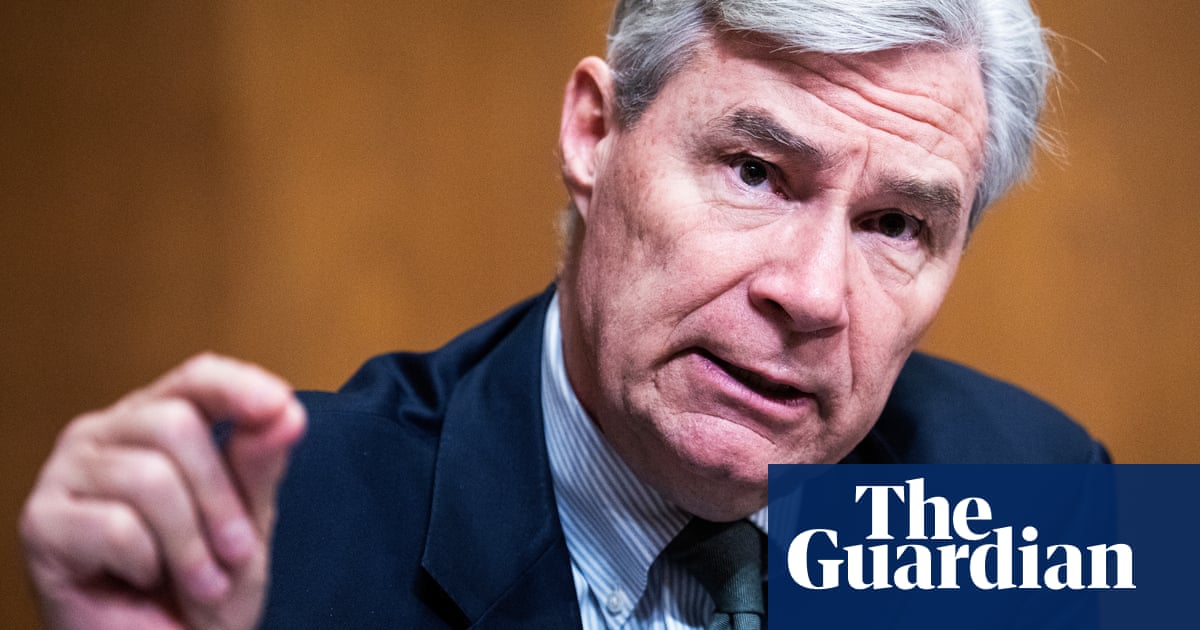
The political rhetoric surrounding the fossil fuel industry is reaching a fever pitch, with US Senator Sheldon Whitehouse recently calling for a decidedly harder line against energy firms. His pronouncements, which accuse the industry of a “huge denial operation” and “malevolent propaganda,” signal a growing political appetite for increased scrutiny and potential regulatory action. For investors in the oil and gas sector, these aren’t just headlines; they represent a tangible, evolving risk landscape that demands careful integration into investment theses and long-term strategic planning. As the energy transition gains momentum, understanding the interplay between political pressure, market fundamentals, and investor sentiment becomes paramount.
The Escalating Political Pressure on Fossil Fuels
Senator Whitehouse’s assertive stance, characterizing the fossil fuel industry’s behavior as “downright evil” for “deliberately ignor[ing] [the laws of physics] for short-term profits,” underscores a significant shift in the political discourse. His claim of a “more than $700 billion annual subsidy” enjoyed by the industry – essentially the cost of uncharged health and environmental damages – is particularly potent. This figure, whether fully embraced or debated, provides a powerful framework for future legislative arguments around carbon taxes, increased environmental regulations, or even outright limitations on certain operations. From an investment perspective, such rhetoric translates directly into heightened ESG (Environmental, Social, and Governance) risk. Companies perceived as lagging in their transition efforts or facing significant environmental liabilities could experience increased capital costs, regulatory hurdles, and potential litigation. Investors must assess their portfolio companies not just on their operational efficiency but also on their vulnerability to this intensifying political and public pressure, which could impact everything from project approvals to long-term valuation.
Navigating Current Market Realities Amidst Policy Debates
While the political winds gather force, the immediate market continues to react to supply, demand, and geopolitical factors. As of today, Brent crude trades at $94.94 per barrel, posting a modest daily gain of 0.16% within a day range of $91-$96.89. WTI crude follows closely at $91.42, also up 0.15% for the day within its own range of $86.96-$93.3. These figures reflect a market finding some equilibrium after a period of volatility. Notably, Brent crude experienced a notable decline of nearly 9% over the past two weeks, dropping from $102.22 on March 25th to $93.22 yesterday. This recent downtrend, despite the underlying political tensions, highlights that physical supply and demand dynamics remain powerful short-term drivers. Gasoline prices, currently at $3 and up 0.67% today, reflect consumer-level impacts. For energy investors, the challenge is to balance the immediate market signals with the longer-term structural shifts driven by policy and public sentiment. The political pressure, while not directly moving prices daily, creates a constant undercurrent of uncertainty that can amplify market reactions to any significant news, positive or negative.
Upcoming Catalysts and Forward-Looking Price Action
The coming weeks present a series of critical events that will further shape the oil and gas market, and investor sentiment will be sensitive to any signs of how these events might interact with the increasing political pressure. The Baker Hughes Rig Count, scheduled for Friday, April 17th, will offer an updated snapshot of North American drilling activity, providing insights into potential supply trends. More significantly, the OPEC+ Joint Ministerial Monitoring Committee (JMMC) meets on April 18th, followed by the Full Ministerial meeting on April 20th. These high-stakes gatherings will determine the cartel’s production policy for the near future, directly impacting global supply. Any unexpected adjustments, either increases or cuts, could trigger significant price movements. Furthermore, weekly inventory data from API (April 21st, April 28th) and EIA (April 22nd, April 29th) will provide granular insights into US demand and storage dynamics. Against a backdrop of intensified political rhetoric, investors will be scrutinizing these reports not just for supply-demand balances but also for any signs that political pressures are influencing investment decisions within the industry, potentially affecting future supply capabilities or demand forecasts.
Addressing Investor Concerns: Long-Term Outlook and Risk Premiums
Our proprietary intent data reveals that investors are keenly focused on two core questions this week: building a base-case Brent price forecast for the next quarter and understanding the consensus 2026 Brent forecast. Senator Whitehouse’s strong condemnation and the accompanying calls for a “harder line” directly complicate these forecasts. While traditional models factor in geopolitical stability, economic growth, and supply-demand balances, the growing political and regulatory risk introduces a significant variable. The “annual subsidy” argument, for instance, could presage carbon pricing mechanisms or increased taxation that directly impact profitability and, by extension, future investment in new production. This creates a “political risk premium” that must be integrated into any robust price forecast. For 2026 and beyond, the potential for more stringent climate policies, reduced access to capital markets for fossil fuel projects, and increased legal challenges could fundamentally alter the cost structure and long-term viability of certain assets. Investors are not just asking *what* the price will be, but *how* these escalating political pressures will redefine the acceptable risk-reward profile for oil and gas investments in the coming years. Successfully navigating this environment requires a nuanced understanding of policy shifts as much as market fundamentals.


