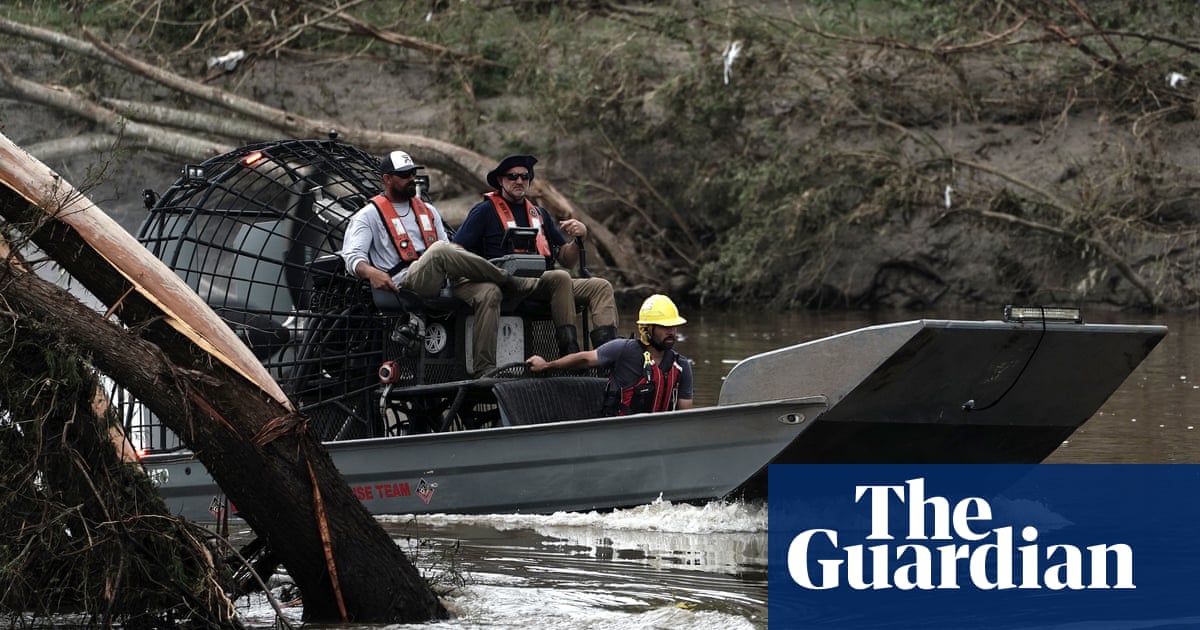
The energy sector, particularly in regions like Texas, is confronting an increasingly volatile operating environment. Recent catastrophic floods in Texas Hill Country, which tragically claimed over 100 lives and left many more missing, serve as a stark reminder of this evolving reality. Sweeping away entire communities on the Guadalupe River, these events underscore what experts are terming a “new normal” in extreme weather patterns. For investors in oil and gas, this isn’t merely a humanitarian crisis; it represents a tangible and escalating threat to physical infrastructure, operational continuity, and ultimately, asset valuations. As climate phenomena intensify and preparedness systems face unprecedented strain, understanding these emerging risks is paramount for safeguarding energy investments.
The Rising Tide of Operational Risk in Texas Energy
The incident in Texas, where an otherwise unremarkable storm stalled and dumped immense quantities of rain, is indicative of a pattern becoming more frequent as global temperatures rise. The failure of early warning systems to facilitate timely evacuations, such as at Camp Mystic, highlights systemic vulnerabilities. For the energy sector, this translates directly into heightened operational risk. Texas is home to a vast network of critical oil and gas infrastructure, including pipelines, refineries, processing plants, and production facilities, many of which are located in coastal plains or river basins susceptible to flooding. A significant portion of the nation’s refining capacity and petrochemical complex resides along the Gulf Coast, a region increasingly exposed to both intense rainfall and storm surges. Flooding can lead to direct damage to equipment, necessitate costly shutdowns for safety inspections or repairs, and disrupt crucial transportation routes for both crude oil and refined products. Such disruptions are not just temporary inconveniences; they can incur substantial financial losses from lost production, increased insurance premiums, and the capital expenditure required for enhanced resilience measures.
Market Repercussions: Pricing Climate Risk and Volatility
The growing frequency and severity of extreme weather events contribute significantly to market volatility and uncertainty. As of today, Brent crude trades at $90.38, reflecting a notable daily downturn of 9.07%, while WTI crude follows closely at $82.59, down 9.41%. This immediate price action, with Brent having declined by $20.91 (18.5%) over the past 14 days from $112.78, underscores a market grappling with multiple pressures. While not solely attributable to regional weather events, the backdrop of increasing operational risks from climate phenomena adds a layer of uncertainty that traders are increasingly pricing in. Gasoline prices, currently at $2.93 and down 5.18% today, also feel the ripples, especially given the concentration of refining capacity in vulnerable regions like the Gulf Coast. Investors are increasingly asking about the long-term price trajectory of oil, and these climate-related risks are an undeniable factor in such predictions, influencing not just short-term supply disruptions but also long-term investment decisions in infrastructure and exploration. The financial burden of adapting to these “new normal” conditions, from reinforcing facilities to relocating assets, will inevitably be passed on, impacting profitability and shareholder value.
Policy Gaps and the Burden on Private Capital
The effectiveness of state and local responses to these disasters is intrinsically linked to robust federal support. Experts warn that the dismantling of crucial federal agencies like the National Weather Service (NWS) and the Federal Emergency Management Agency (FEMA) under recent administrations poses a severe threat to preparedness and response capabilities. FEMA, established precisely because states struggled with major disasters, provides vital resources, coordination, and technical expertise. Reports suggesting that over a third of FEMA’s permanent full-time workforce has been cut signal a dangerous weakening of this critical safety net. For the energy sector, this erosion of federal support translates into a greater burden on individual companies and state governments to manage disaster risk. This creates a vacuum that energy operators must fill, adding unexpected costs and operational complexities that directly impact investor returns. Our proprietary reader intent data reveals a growing focus on the resilience of energy companies, with investors asking about the robustness of specific operators and their long-term prospects. This indicates a shift beyond simple supply-demand dynamics, with a keen eye on operational risks and governance, making the effectiveness of emergency management systems a direct concern for investment analysts.
Navigating Future Supply Dynamics Amidst Growing Uncertainty
Looking ahead, the market will closely monitor key events that could either stabilize or further disrupt the energy landscape, all against the backdrop of heightened operational risk from extreme weather. The upcoming OPEC+ JMMC and Full Ministerial meetings on April 18th and 19th will be critical for understanding global supply intentions. Investors are keenly asking about current OPEC+ production quotas, highlighting the importance of these decisions in balancing global supply with demand. Furthermore, the API and EIA Weekly Crude Inventory reports on April 21st/22nd and April 28th/29th, alongside the Baker Hughes Rig Count on April 24th and May 1st, will offer vital insights into domestic supply and demand dynamics. These indicators, traditionally focused on market fundamentals, now carry an additional layer of complexity. Potential disruptions to production or refining capacity due to extreme weather in key regions could significantly skew inventory levels and rig activity, influencing price formation and supply stability. Investors must now integrate a more comprehensive risk assessment, considering how these macro-level supply decisions and micro-level operational realities intersect with the unpredictable forces of climate change.
The catastrophic floods in Texas are a potent indicator of a new era of climate-induced operational challenges for the oil and gas industry. From direct infrastructure damage and market volatility to the increased burden on private capital due to diminishing federal support, the implications for energy investors are profound. Successful navigation of this landscape demands a proactive approach, integrating climate resilience into investment theses and operational strategies. The ability of companies to adapt, innovate, and invest in robust infrastructure will increasingly differentiate leaders from laggards in a market grappling with unprecedented environmental realities.


