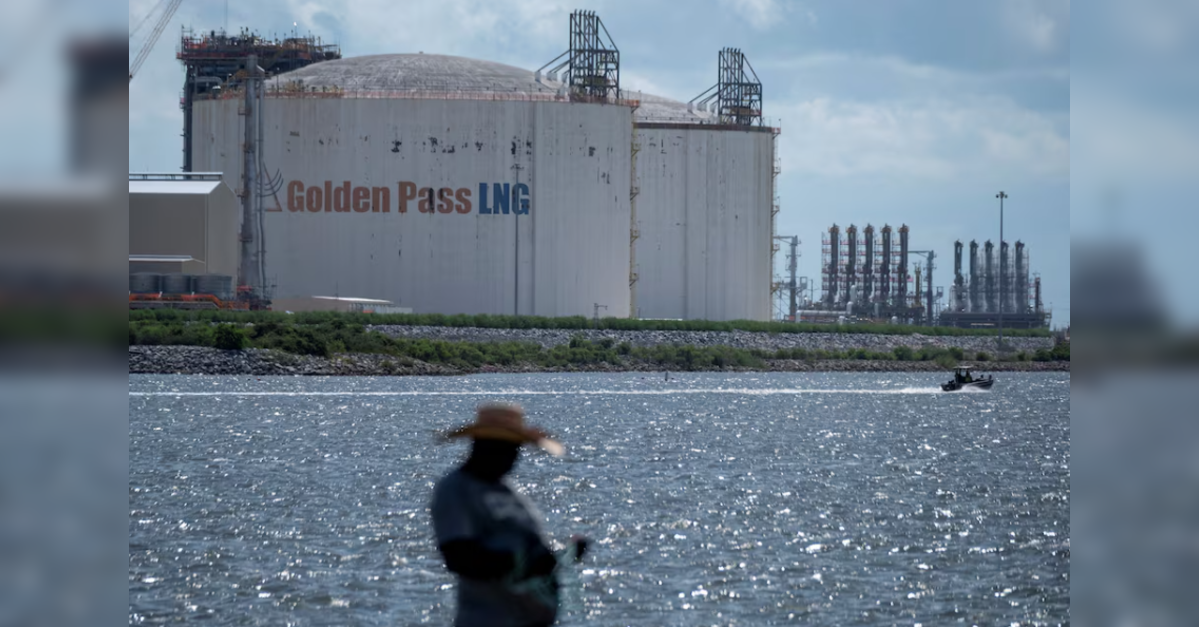
The global liquefied natural gas (LNG) market is undergoing a significant transformation, driven by an insatiable demand for energy security and cleaner-burning fuels. Amidst this dynamic landscape, the operational readiness of major export facilities holds paramount importance for investors. A pivotal development in late 2025 saw Golden Pass LNG, the joint venture between energy titan Exxon Mobil and QatarEnergy, signal its imminent entry into the global supply chain by requesting US regulatory approval for LNG re-exports by October 1st of that year. This move, aimed at facilitating the crucial cool-down process for its Sabine Pass, Texas facility, marked a critical step towards realizing the project’s 18 million metric tons per annum (mtpa) export capacity. While the journey has been fraught with challenges, Golden Pass’s emergence as potentially the ninth US LNG exporter carries profound implications for global energy markets, investor strategies, and the ongoing rebalancing of supply and demand.
Golden Pass: A New Pillar in Global LNG Supply
The anticipated full commissioning of Golden Pass LNG represents a monumental addition to global energy infrastructure, particularly as markets continue to seek stable, diversified gas supplies. The project’s 18 mtpa capacity is not merely an incremental increase; it solidifies the United States’ position as the world’s leading LNG exporter and introduces a substantial new volume capable of influencing international spot prices and long-term contracts. For investors keenly tracking the pulse of the global gas market, particularly those asking about the drivers of Asian LNG spot prices this week, new supply from facilities like Golden Pass is a critical factor. The ability of such a large-scale project, backed by powerhouses like Exxon Mobil and QatarEnergy, to come online helps alleviate some of the supply tightness that has characterized recent years, offering a degree of predictability to an otherwise volatile market. Its operational status by early 2026, following the October 2025 re-export request, underscores a strategic shift towards increased supply optionality for key importing nations.
Navigating Project Headwinds: Budget Overruns and Delays
The path to commissioning for Golden Pass has been far from smooth, serving as a stark reminder of the complexities inherent in mega-energy projects. The facility faced significant hurdles, including its then-lead contractor, Zachry Holdings, filing for bankruptcy in March 2024. This event exposed substantial cost overruns, with the project reportedly exceeding its original budget by at least $2.4 billion. McDermott International has since stepped in as the lead contractor for Train 1, and negotiations continue for the remaining two trains. These financial and logistical setbacks highlight the inherent risks in large-scale energy infrastructure development, compelling investors to critically assess capital expenditure discipline and project management capabilities within their portfolios. Such delays, even for projects as significant as Golden Pass, can have ripple effects across the sector, subtly contributing to the broader market sentiment that influences crude oil prices. As of today, Brent crude trades at $94.78 per barrel, reflecting a marginal daily decline of 0.01% within a range of $91-$96.89. This current price stability, following a 14-day trend that saw Brent fall from $102.22 to $93.22 (a nearly 9% decrease), suggests a market highly sensitive to both supply disruptions and the successful onboarding of new capacity. The Golden Pass experience provides valuable lessons for evaluating future greenfield projects.
The Broader Market Context: US LNG Dominance and Future Outlook
Golden Pass’s entry reinforces the strategic importance of US LNG exports in shaping global energy dynamics. The United States has firmly established itself as the preeminent global LNG exporter, a position further cemented by projects like Golden Pass. This dominance offers significant geopolitical leverage and provides critical energy security to allies, particularly those in Europe and Asia who are actively diversifying away from traditional supply sources. For investors seeking to build a base-case Brent price forecast for the next quarter or understand the consensus 2026 Brent forecast, the consistent expansion of US LNG capacity plays an indirect yet crucial role. Robust LNG supply helps stabilize global energy markets, potentially mitigating extreme price spikes in crude by offering an alternative fuel source for power generation and industrial use. Looking ahead, upcoming energy events like the OPEC+ JMMC meeting on April 18th and the full Ministerial meeting on April 20th will provide fresh insights into crude production policies. Simultaneously, the weekly API and EIA crude inventory reports on April 21st/22nd and April 28th/29th will offer immediate snapshots of market balances. While these events directly address crude, the overarching theme of global energy supply and demand, to which Golden Pass significantly contributes, forms the backdrop against which these decisions and data points are interpreted. The continued growth of US LNG capacity ensures a resilient and flexible global energy system.
Investor Implications and Forward Catalysts
For investors in the oil and gas sector, Golden Pass LNG’s journey from a delayed, over-budget project to an operational reality presents a compelling case study. The successful ramp-up of this 18 mtpa facility will unlock substantial long-term value for its joint venture partners, Exxon Mobil and QatarEnergy, solidifying their positions in the burgeoning global gas market. The October 1, 2025 re-export request was a clear signal of nearing completion, marking the transition from capital-intensive construction to revenue-generating operations. This operational milestone, now in the rearview mirror, means attention shifts to sustained production and commercial performance. As investors frequently ask about the consensus 2026 Brent forecast, it’s vital to recognize that the overall health of the energy complex, including a well-supplied LNG market, contributes to a more stable pricing environment for crude. The ability of major LNG players to bring significant new capacity online, despite initial challenges, demonstrates the long-term commitment to meeting global energy demand. Future catalysts to watch include the full operational stability of all three trains at Golden Pass, the negotiation and securing of additional long-term contracts, and the facility’s contribution to easing global gas supply constraints, particularly impacting Asian markets. The successful integration of Golden Pass into the global supply chain underscores the resilience and strategic foresight required to navigate the complexities of modern energy investment.


