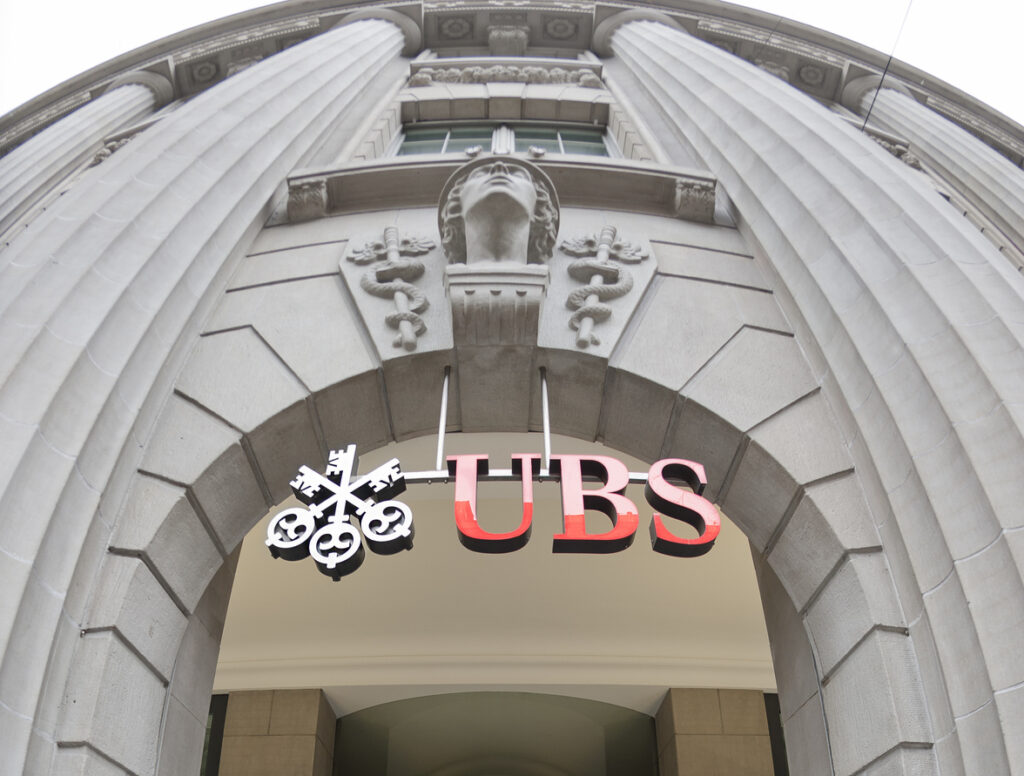
UBS Forecasts Near-Term Oil Price Correction, Lifts Annual Brent Target
Energy investors are bracing for a potential dip in crude oil prices over the immediate horizon, with leading analysts at UBS projecting Brent to settle into the low-to-mid-$60 per barrel range. This anticipated short-term retreat is primarily driven by expectations of increased output from the OPEC+ alliance and a typical seasonal slowdown in global fuel consumption following the peak summer travel period.
The financial institution’s latest market assessment highlights an impending “larger surplus” in oil markets once the robust summer demand wanes. This shift in supply-demand dynamics is expected to exert downward pressure on prices from their current levels. Crude futures remained largely stable on Wednesday as market participants digested diverse catalysts, including ongoing progress towards a potential ceasefire between Israel and Hamas, and a notable build in U.S. crude inventories ahead of the crucial upcoming meeting of the Organization of the Petroleum Exporting Countries and its partners.
Current Market Snapshot and Geopolitical Context
As of 03:32 ET, Brent crude futures registered a marginal increase of 0.1%, trading at $67.16 a barrel. Concurrently, U.S. West Texas Intermediate (WTI) crude futures held steady at $65.45 a barrel, reflecting a cautious stance among traders. The broader geopolitical landscape continues to shape market sentiment, with U.S. President Donald Trump indicating on Tuesday evening that Israel had agreed to the necessary conditions for a 60-day ceasefire with Hamas, urging the Palestinian group to accept the terms. Such developments often temper the geopolitical risk premium embedded in oil prices.
Adding another layer to market analysis, recent data from the American Petroleum Institute (API) revealed a 0.68 million barrel increase in U.S. oil inventories for the week ending June 27. This build marks a departure from the preceding five weeks of significant, outsized draws in U.S. oil stockpiles, prompting renewed questions among investors regarding the true strength of demand during what is typically a high-consumption summer season.
Revised Quarterly Outlook Amid Shifting Risks
Despite the immediate bearish indicators, UBS analysts have subtly adjusted their Brent price target for the nascent third quarter, raising it by $3 to $65 a barrel. This upward revision reflects a “slightly higher risk premium in the very near term” that the market is currently pricing in. A risk premium, in this context, refers to the additional return investors demand for holding oil-related assets due to perceived uncertainties or potential disruptions to supply.
However, with recent volatility in energy markets subsiding somewhat following a ceasefire between Israel and Iran last month, the firm’s strategists anticipate that traders’ focus will gradually “shift back to fundamentals.” While global oil demand has demonstrated greater resilience than initially feared, and the response of U.S. onshore drilling activity to lower prices has been notably swift, UBS still projects the oil market to transition into a state of “larger surpluses over the next three quarters.”
The OPEC+ Factor and Projected Surpluses
This outlook is predominantly tied to the anticipated “OPEC+ production increases.” Analysts specifically foresee all eight members of the expanded producer group boosting their output in August. The impact of this increased supply is expected to become more pronounced and exert greater downward pressure on prices after the summer season, as global oil demand naturally recedes, particularly in key consuming regions like the Middle East.
Beyond the core supply-demand balance, several other influential factors could sway oil prices. These include the inherent uncertainty surrounding the precise implementation and extent of OPEC+ production plans, the evolving trajectory of sweeping U.S. tariffs that could impact global trade and economic growth, and the ever-present risk of a renewed flare-up in Israel-Iran tensions, which could disrupt vital crude supply flows through the Strait of Hormuz. These variables collectively contribute to market volatility and require close monitoring by energy sector investors.
An Upward Nudge for the Annual Forecast
Against this complex and dynamic backdrop, UBS analysts have marginally raised their annual Brent crude price forecast by $1, bringing the new projection to $67 per barrel. This modest adjustment reflects a nuanced perspective, balancing the immediate pressures from anticipated supply increases and seasonal demand cooling with a slightly more robust, underlying market structure for the full year. Investors should carefully consider these intertwined factors when formulating their strategies for navigating the evolving crude oil landscape, where short-term tactical plays may diverge from longer-term strategic positioning.