New York City’s Energy Crossroads: Mamdani’s Agenda and Investor Implications
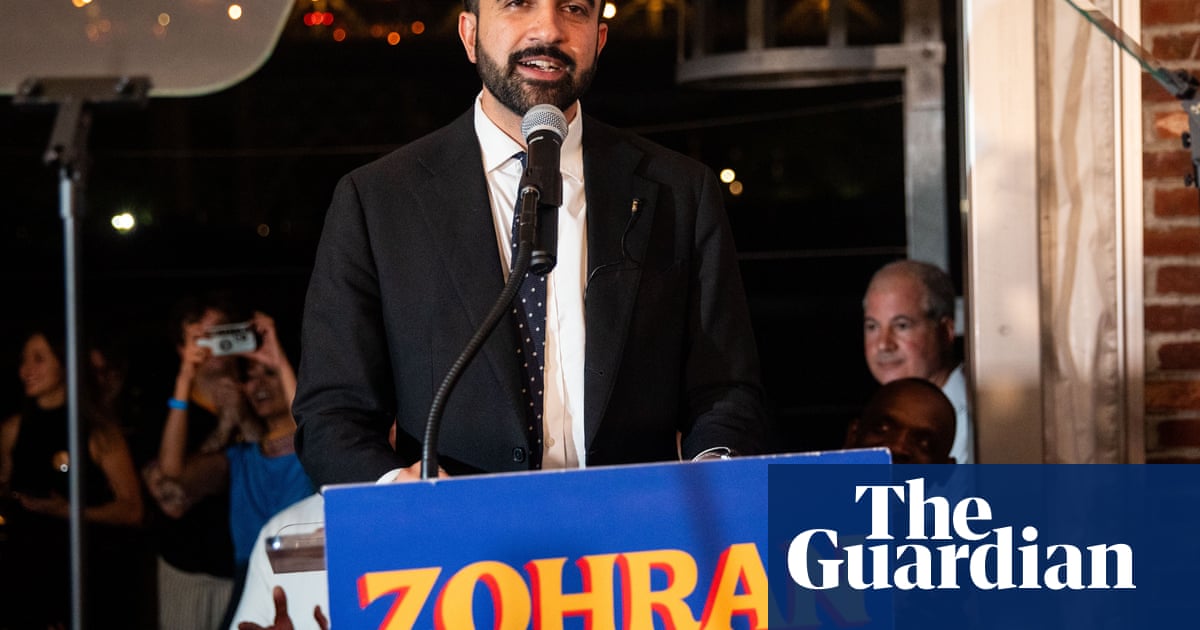
The political landscape in New York City is shifting, signaling potential headwinds for traditional energy investments as a new wave of leadership prioritizes aggressive climate action. Just last week, on June 24, 2025, as New York City voters headed to the polls for the Democratic primary, the city was grappling with a brutal heatwave. In Crown Heights, the heat index soared into triple digits, creating hazardous conditions for residents and polling site workers, many of whom endured sweltering temperatures without air conditioning. This palpable experience of climate extremity coincided with a significant political upset: 33-year-old state assemblymember Zohran Mamdani soundly defeated Andrew Cuomo on first preference votes, securing a pivotal victory that could redefine the city’s approach to energy and infrastructure. For oil and gas investors, this outcome warrants close scrutiny, as Mamdani’s platform promises a dramatic acceleration of green initiatives with direct implications for fossil fuel demand and infrastructure within one of the world’s largest metropolitan areas.
Mamdani’s Vision: Decarbonizing the Metropolis, De-Risking Residents
Mamdani’s electoral success brings to the forefront a comprehensive agenda aimed at slashing carbon emissions and advancing environmental justice. His proposed “green schools plan” offers a concrete example of this vision in action. Under this initiative, public schools currently lacking adequate cooling, such as those where elderly polling workers reportedly struggled during the recent heatwave, would undergo retrofits. These upgrades would include the installation of modern air conditioning systems and the integration of green spaces to mitigate urban heat island effects. Beyond mere comfort, these schools could transform into designated “resilience hubs,” providing essential shelter and resources for communities during increasingly frequent extreme weather events. This focus on localized, tangible climate solutions underscores a broader strategy to make New York City residents “dramatically more safe” from the impacts of climate change. For energy investors, such plans signal a significant shift in capital allocation towards building efficiency, renewable energy integration, and decentralized climate resilience infrastructure, potentially diverting resources from conventional energy sources like natural gas for heating and power generation.
The Political Playbook: Climate as a Cost-of-Living Imperative
What makes Mamdani’s approach particularly noteworthy for market observers is his strategic alignment of climate policy with everyday economic concerns. While endorsed by prominent environmental justice groups like the Sunrise Movement and TREEAge, Mamdani’s campaign did not explicitly center the climate crisis. Instead, he maintained a relentless focus on cost-of-living issues, a strategy supporters believe will build broader popular support for ambitious climate action. As Mamdani articulated in April, “Climate and quality of life are not two separate concerns. They are, in fact, one and the same.” This integrated perspective marks a departure from what critics often describe as technocratic climate schemes, such as complex carbon taxes. These traditional approaches, while theoretically sound, can be difficult for the public to grasp and are frequently perceived as economically regressive, imposing additional costs on working-class families. By framing climate solutions as direct improvements to daily life – safer homes, cooler schools, and community resilience – Mamdani aims to circumvent the political hurdles that have historically plagued climate initiatives, making his proposed policies potentially more impactful and faster to implement than federal efforts like the Inflation Reduction Act’s green incentives, which critics note can take years to manifest tangible change.
Investing in a Greener Metropolis: Risks and Opportunities for Energy Portfolios
For investors in the oil and gas sector, Mamdani’s ascendance in New York City presents both challenges and potential avenues for strategic repositioning. The most immediate risk lies in the accelerated phasing out of fossil fuel infrastructure within the city limits. Policies promoting widespread building electrification, enhanced energy efficiency standards, and the expansion of green spaces will inevitably reduce demand for heating oil and natural gas. Investors with exposure to urban natural gas distribution networks or heating oil supply chains in NYC should carefully assess potential stranded asset risks and consider diversification strategies. New building codes could prohibit new fossil fuel connections, while existing structures face mandates for retrofitting that prioritize electric heating and cooling systems, fueled increasingly by renewable sources. However, this transition also creates significant opportunities. The demand for renewable energy generation, energy storage solutions, smart grid technologies, and highly efficient HVAC systems will surge. Companies specializing in these areas, as well as those offering services for energy audits, retrofits, and green infrastructure development, stand to benefit substantially. Furthermore, the push for “resilience hubs” and community-based climate solutions could open markets for microgrids, distributed energy resources, and innovative disaster preparedness technologies. Proactive investors will recognize that while the shift away from fossil fuels in NYC intensifies, the overall energy market within the city remains robust, simply reallocating its capital and demand towards sustainable alternatives.
Broader Implications and Investor Outlook
New York City, as a global financial and cultural hub, often serves as a bellwether for policy trends across North America and beyond. Mamdani’s successful fusion of climate action with cost-of-living issues could provide a powerful template for other progressive urban centers seeking to implement aggressive decarbonization strategies. For investors monitoring the broader energy transition, developments in NYC should be seen as a microcosm of larger shifts. The increasing frequency and intensity of extreme weather events will continue to underscore the urgency of climate action, while political strategies that make climate solutions economically palatable to the average citizen are likely to gain traction. Therefore, oil and gas investors must remain agile, closely tracking local and regional policy shifts that dictate energy demand patterns and infrastructure development. Diversifying portfolios to include renewable energy technologies, energy efficiency solutions, and climate resilience infrastructure is no longer an optional consideration but an essential component of a forward-looking investment strategy in an era defined by rapid decarbonization and increasing climate volatility.


