Climeworks Secures $162 Million, Accelerating Direct Air Capture Towards Industrial Scale
Zurich-based pioneer in carbon removal, Climeworks, has successfully secured $162 million in its latest equity financing round. This significant capital injection is strategically earmarked for accelerating the evolution of its direct air capture (DAC) technology, specifically targeting substantial cost reductions in carbon removal, alongside broadening its comprehensive carbon removal solutions portfolio. For oil and gas investors keenly observing the energy transition and the burgeoning carbon capture, utilization, and storage (CCUS) market, this development signals a powerful validation of DAC’s role in future decarbonization strategies.
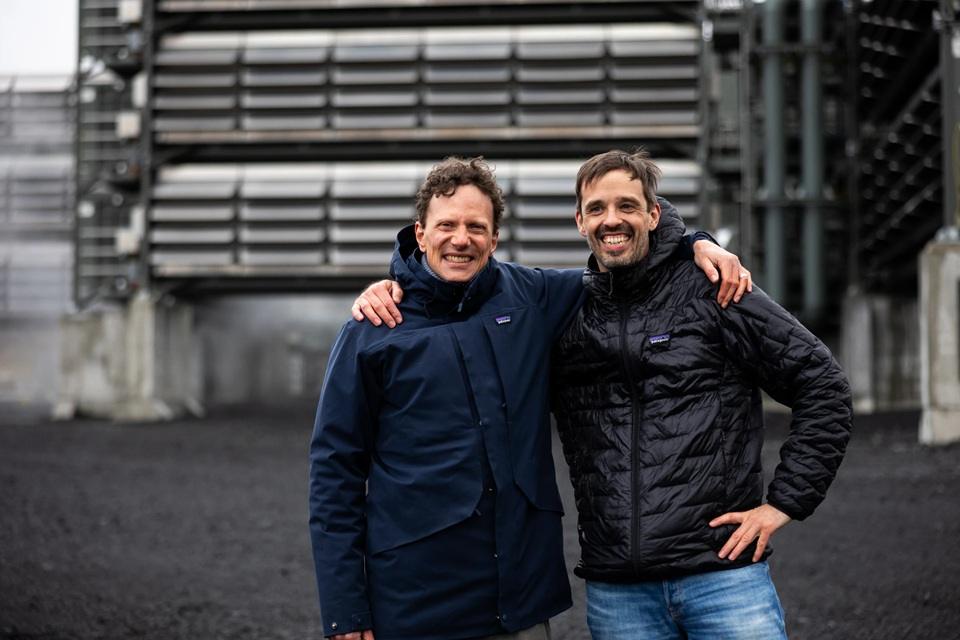
Established in 2009 by co-founders Christoph Gebald and Jan Wurzbacher, Climeworks has positioned itself at the forefront of atmospheric carbon dioxide removal. The company doesn’t just theorize about DAC; it operates real-world, industrial-scale facilities. Its operational footprint includes Orca, which commenced CO2 capture in 2021, and its larger, more advanced successor, Mammoth, which began operations in 2024. These plants represent critical milestones in demonstrating the viability of extracting CO2 directly from ambient air, a process that holds immense potential for either generating new carbon-negative products or ensuring the permanent sequestration of legacy emissions.
Technological Leaps Drive Down Carbon Removal Costs
A key focus for any emerging technology in the energy sector is cost efficiency, and Climeworks has made significant strides in this area. The company recently unveiled its Generation 3 DAC technology, which promises a dramatic improvement in performance and economics. This next-generation system is engineered to double the CO2 capture capacity per module, a critical factor for scaling operations. Simultaneously, it slashes energy consumption by half, addressing one of the primary operational expenditures associated with DAC. Furthermore, the enhanced material lifetime of Generation 3 modules contributes to a projected 50% reduction in overall carbon removal costs. Such advancements are crucial for attracting broader industrial adoption and making DAC a competitive solution for companies, including those in the oil and gas sector, striving to meet stringent emission reduction targets and invest in high-quality carbon credits.
The ability to significantly lower the per-ton cost of carbon removal transforms DAC from a niche, high-cost solution into a commercially viable option for large-scale deployment. For investors, this translates into a clearer path to profitability and scalability, mitigating some of the traditional risks associated with nascent clean technologies. As global demand for verifiable carbon removal intensifies, driven by corporate ESG commitments and regulatory pressures, technologies that can achieve cost parity with other abatement methods will capture substantial market share. Climeworks’ relentless pursuit of efficiency places it in a strong position to capitalize on this expanding market opportunity.
Expanding the Carbon Removal Portfolio: Beyond DAC
While DAC remains Climeworks’ core competency, the company recognizes the necessity of offering a diversified suite of solutions to meet varied client needs and optimize environmental impact. Earlier in 2024, Climeworks strategically launched “Climeworks Solutions,” an innovative offering designed to furnish corporate clients with bespoke, high-integrity carbon removal portfolios. This comprehensive service extends beyond DAC to encompass a diverse array of methodologies, including nature-based approaches like afforestation and reforestation, engineered solutions such as biochar and bioenergy with carbon capture and storage (BECCS), and novel techniques like enhanced rock weathering.
This hybrid approach allows Climeworks to provide a robust and flexible service, catering to companies seeking to balance different types of carbon removal credits based on their specific sustainability goals, risk appetites, and budget considerations. For oil and gas companies, this broader offering presents an opportunity to integrate various carbon removal strategies into their decarbonization pathways, moving beyond just operational emissions reductions to actively address historical or unavoidable emissions. The ability to source a curated portfolio from a trusted provider simplifies the complex landscape of carbon credit procurement, enhancing the value proposition for industrial clients.
Investor Confidence and Market Validation
The latest $162 million equity round underscores strong investor confidence in Climeworks’ technology and market strategy. Prominent investment firms BigPoint Holding and Partners Group led this latest equity infusion, complemented by robust participation from a consortium of existing shareholders, underscoring continued confidence in the company’s trajectory. This significant backing from both new and returning investors sends a clear signal about the perceived long-term value and growth potential within the carbon removal market.
With this recent raise, Climeworks now boasts an impressive cumulative equity funding exceeding $1 billion, solidifying its position as a well-capitalized leader in the burgeoning carbon removal sector. This substantial financial foundation provides the necessary runway for continued research and development, further scaling of DAC plants, and expansion of its service offerings. For investors eyeing the intersection of traditional energy and climate tech, Climeworks’ financial milestones serve as a compelling indicator of market maturation and the increasing investability of direct air capture and broader carbon removal solutions. The significant capital deployed into this space reflects a growing conviction that these technologies are not just experimental, but essential components of the global energy transition.
The Inevitable Rise of Carbon Removal as an Investment Frontier
Christoph Gebald, co-CEO and co-founder, articulated the evolving perception of DAC, stating that the technology has transitioned “from experiment to essential.” He emphasized the company’s commitment to achieving scalability through aggressive cost reduction and relentless innovation. Gebald highlighted their strategic “hybrid model” which concurrently cultivates enduring demand and generates immediate cash flow, positioning carbon removal as an “inevitable” market for discerning investors. He further asserted that surpassing the $1 billion equity funding threshold is more than a mere financial benchmark; it unequivocally affirms the legitimacy, necessity, and permanence of carbon removal as a critical component of global decarbonization efforts.
For savvy oil and gas investors, this robust funding and strategic positioning by Climeworks signals a clear investment frontier. As the energy industry grapples with the dual challenge of meeting global energy demand while drastically reducing emissions, solutions like DAC become indispensable. Investments in companies like Climeworks offer exposure to a high-growth market driven by global climate imperatives, corporate decarbonization pledges, and evolving regulatory frameworks. The trajectory of Climeworks, from pioneering technology to attracting over a billion dollars in equity, paints a clear picture: carbon removal is no longer a peripheral environmental concern, but a central pillar of the future energy economy and a compelling opportunity for strategic investment.