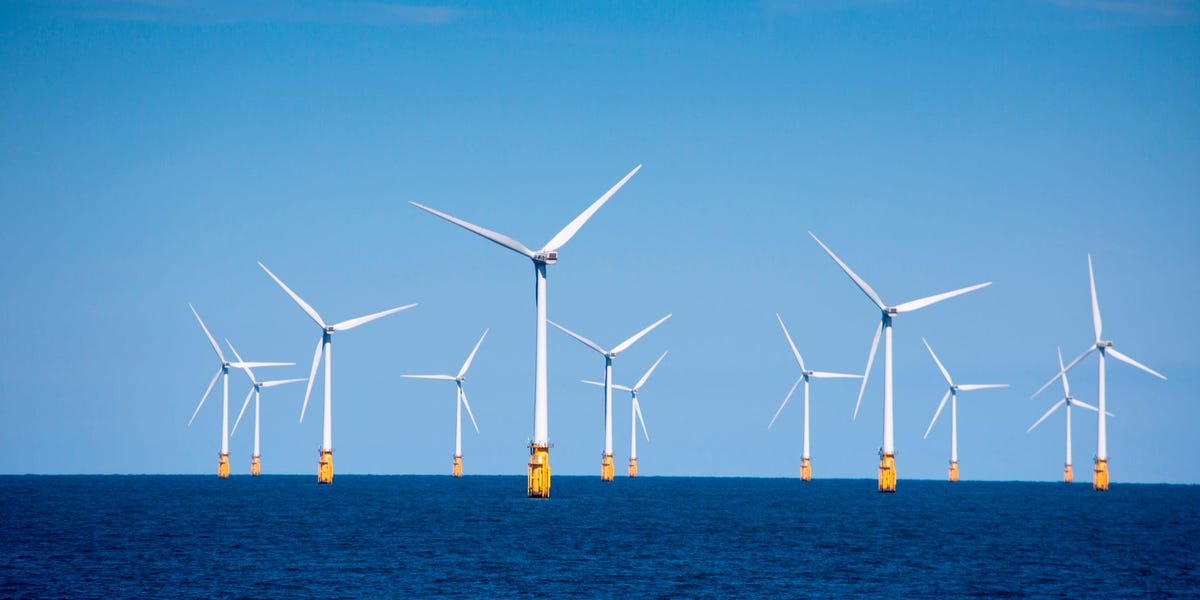
The potential return of a Trump administration signals a significant pivot in U.S. energy policy, with profound implications for both the burgeoning climate technology sector and traditional oil and gas. Proposed legislative changes aimed at curtailing green energy tax credits are already sending ripples through the climate tech ecosystem, prompting founders and investors to recalibrate their strategies. For the oil and gas industry, this shift could remove a substantial competitive and regulatory headwind, creating a more favorable investment landscape. Our analysis delves into how these policy movements, combined with current market dynamics and upcoming events, are shaping a firmer outlook for conventional energy investments.
The Climate Tech Investment Chill
The specter of a less supportive policy environment has already begun to chill investment in the climate tech sector. Following a bill passed by the House of Representatives proposing cuts to clean energy tax incentives, the industry is witnessing a significant slowdown in growth ambitions. Investors and startup founders are now grappling with a future where the generous support enjoyed under previous administrations might vanish. Early-stage ventures are particularly vulnerable, with some already taking drastic measures. For instance, a sodium-ion battery startup, despite ample operational cash, recently announced it would return most of its $9 million raised to investors and cease operations, citing unfavorable “techno-economics” driven by waning industrial policy. This sentiment echoes across the sector, with warnings of a potential “graveyard of companies” and many startups considering hibernation or a pivot to more favorable geographies, notably Europe.
This development is not merely an internal struggle for climate tech; it represents a strategic shift for the broader energy landscape. A less subsidized, less rapidly expanding climate tech sector in the U.S. inherently reduces a significant source of competition for traditional energy sources. As capital and innovation in green alternatives face domestic hurdles, the long-term demand outlook for oil and gas could see increased stability, offering a clearer runway for conventional energy projects and investments.
Crude Markets Hold Steady Amidst Policy Winds
Against the backdrop of shifting policy, crude oil markets are demonstrating resilience. As of today, Brent crude trades firmly at $95.21 per barrel, showing a marginal gain of 0.44% for the day, with WTI not far behind at $91.76 per barrel. This current strength is noteworthy, especially considering the recent volatility. Over the past fortnight, Brent experienced a notable contraction, shedding nearly 8.8% from its $102.22 peak on March 25th to $93.22 by April 14th. The bounce back towards the mid-$90s suggests underlying demand resilience and a strong baseline for prices, even amidst global economic uncertainties.
The stability in crude prices is complemented by robust demand signals in refined products, with gasoline trading at $3 per gallon today, reflecting healthy consumer activity. For oil and gas investors, these price points are critical. They indicate profitable margins for producers and a continued incentive for capital expenditure, particularly in an environment where alternative energy sources might face reduced domestic impetus. The potential easing of regulatory pressure and reduced competition from subsidized green projects could further enhance the appeal of traditional oil and gas investments, solidifying current price levels as a viable foundation for future growth.
Navigating Critical Calendar Events and Supply Dynamics
The coming weeks are packed with critical energy events that will shape market sentiment and supply dynamics, all while the potential policy pivot in the U.S. looms large. Investors should pay close attention to the OPEC+ meetings scheduled for April 18th (JMMC) and April 20th (Full Ministerial). Our analysis suggests that a less aggressive U.S. climate policy could bolster OPEC+’s confidence in global oil demand projections. If the competitive threat from renewable energy deployment in a major economy like the U.S. diminishes, OPEC+ might feel more comfortable maintaining current production cuts or even gradually increasing output, depending on their assessment of market balance and price stability.
Domestically, the Baker Hughes Rig Count reports on April 17th and April 24th will offer crucial insights into U.S. drilling activity. Will American producers respond to a potentially more favorable political climate by accelerating investment and increasing rig counts, or will they maintain capital discipline to maximize shareholder returns? Further clarity on supply-demand balances will come from the API Weekly Crude Inventory reports on April 21st and April 28th, followed by the EIA Weekly Petroleum Status Reports on April 22nd and April 29th. These data points, viewed through the lens of a potentially less hostile regulatory environment, could signal a period of renewed investment and production growth for U.S. oil and gas.
Investor Sentiment: Forecasting in a Shifting Landscape
Our reader intent data highlights a clear focus among investors on forward-looking price forecasts, with frequent queries regarding a “base-case Brent price forecast for next quarter” and the “consensus 2026 Brent forecast.” The potential for a Trump 2.0 administration significantly alters the variables in these models. A less competitive climate tech sector in the U.S. implies a reduced pace of demand displacement for crude oil, potentially establishing a higher floor for prices than previously anticipated.
Investors are also keenly interested in global demand drivers, including “how Chinese tea-pot refineries are running this quarter.” While Chinese demand remains a crucial swing factor, the U.S. policy shift could provide a structural tailwind to global oil demand that complements, rather than competes with, growth in major consuming nations. The removal of significant domestic policy-driven headwinds for oil and gas could lead analysts to revise their long-term Brent forecasts upwards, factoring in increased certainty for traditional energy investments. This translates into a more optimistic outlook for the sector, making strategic positioning in oil and gas equities increasingly attractive for those seeking stable, long-term returns in a re-aligned energy landscape.


