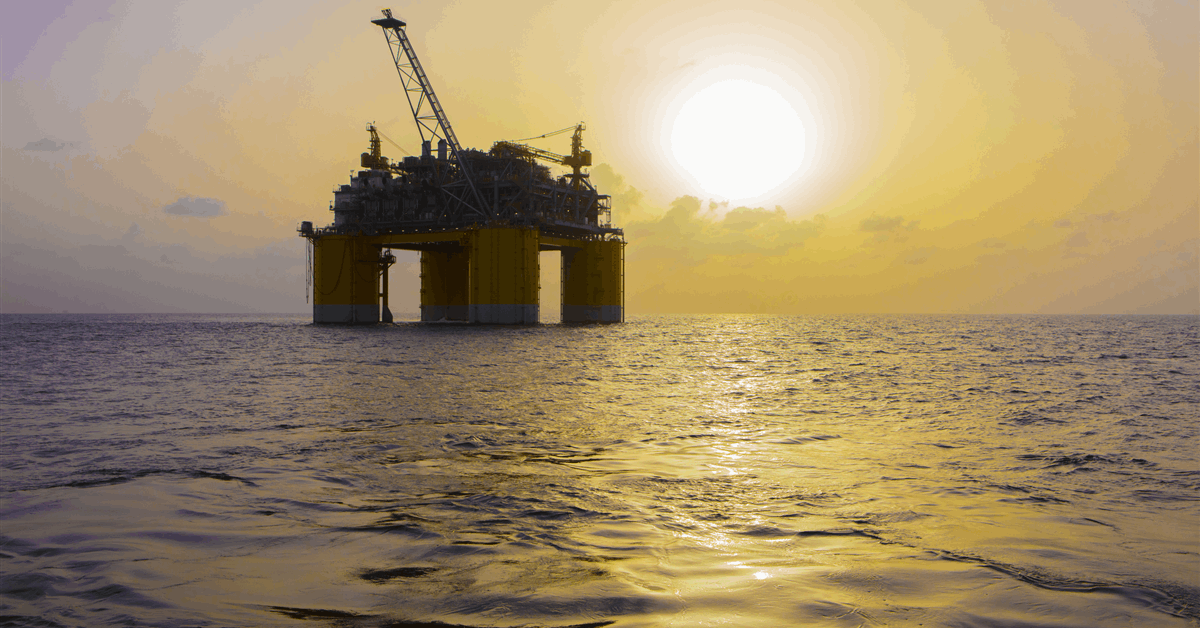
Equinor and its partners are making a significant long-term bet on the Norwegian continental shelf with the formal submission of their development plan for Fram South. This NOK 21 billion ($2.09 billion) investment, aimed at unlocking substantial new oil and gas volumes for Europe, underscores a continued commitment to upstream growth amidst evolving energy landscapes. With an estimated 116 million barrels of oil equivalent (MMboe) recoverable, comprising 75% oil and 25% gas, Fram South represents a strategic expansion tied into existing, efficient infrastructure. For investors, this project offers a clear signal of confidence in the enduring demand for hydrocarbons, particularly gas for European energy security, combined with a strong focus on operational efficiency and reduced environmental impact. This analysis delves into the strategic implications of Fram South, its innovative operational aspects, and how it aligns with broader market dynamics and investor sentiment.
Strategic Growth in the North Sea
The Fram South development, situated in the northern North Sea approximately 120 kilometers northwest of Bergen, is poised to become a vital component of Equinor’s extensive project pipeline. With first production targeted for 2029, this project is a subsea tie-back to the mature but highly efficient Troll C platform, a strategy that significantly reduces upfront capital expenditure and leverages existing processing and export infrastructure. This approach is consistent with Equinor’s broader strategy, which anticipates bringing more than 50 such tie-back projects on stream by 2035. The consortium, led by Equinor Energy AS with a 45% stake, alongside Var Energi ASA (40%) and INPEX Idemitsu Norge AS (15%), is investing in a development that consolidates several recent discoveries, including Echino South (2019) and Blasto (2021). The integration of these finds into a single, cohesive development plan highlights a methodical approach to maximizing resource recovery from a proven prolific area. This strategic move not only bolsters Equinor’s production profile but also contributes directly to bolstering European energy supply, particularly gas, at a time when energy independence remains a high priority for the continent.
Advancing Operational Efficiency and ESG Credentials
Fram South distinguishes itself not just by its scale but also by its commitment to advanced operational efficiency and environmental stewardship. A key innovation in this development is the planned use of all-electric Christmas trees, a first for the Norwegian continental shelf. This technology eliminates the need for hydraulic fluid supplied from the platform, enhancing both monitoring capabilities of subsea equipment and significantly reducing the risk of environmental impact from hydraulic fluid leaks. Furthermore, Equinor estimates emissions from the Fram South project to be exceptionally low, at just 0.5 kilograms of carbon dioxide per barrel of oil equivalent. This figure stands in stark contrast to the Norwegian continental shelf average of 8 kilograms and the broader industry average of 16 kilograms. This remarkable achievement is partly attributable to the electrification of the Troll C production platform since 2024, which powers operations with renewable energy. For investors increasingly scrutinizing ESG performance, Fram South presents a compelling case for how major upstream projects can be developed with a minimized carbon footprint, setting a new benchmark for sustainable hydrocarbon production in mature basins.
Market Dynamics and Investor Sentiment in a Volatile Landscape
As of today, Brent crude trades at $95.19, reflecting a 0.42% uptick within a daily range of $91-$96.89. This slight daily gain comes after Brent experienced an 8.8% decline over the past 14 days, falling from $102.22 to $93.22. Such volatility naturally leads investors to question the long-term outlook for oil prices. Our proprietary reader intent data reveals a significant focus among investors on building a base-case Brent price forecast for the next quarter and understanding the consensus 2026 Brent forecast. While Fram South’s production start in 2029 places it firmly in the long-term investment horizon, the project’s NOK 21 billion investment, with an estimated NOK 18 billion in contracts to be awarded, underscores producers’ confidence in sustained demand and favorable price environments well into the next decade. The economic ripple effects are also substantial, with Kunnskapsparken in Bodo estimating an employment effect of 4,500 full-time equivalents in Norway through the development period. This commitment to local content, with most suppliers having Norwegian invoice addresses, further enhances the project’s appeal by contributing to regional economic stability and job creation.
Upcoming Catalysts and the Long-Term Outlook for Upstream Investment
While Fram South’s first oil and gas is years away, the immediate future holds critical signals for the broader oil market, which will ultimately influence the long-term viability and profitability of such large-scale developments. Investors are closely monitoring a series of upcoming events that will shape short-to-medium term supply-demand balances and price expectations. Key among these are the Baker Hughes Rig Count reports on April 17th and April 24th, providing insights into drilling activity. More significantly, the OPEC+ Joint Ministerial Monitoring Committee (JMMC) meeting on April 18th, followed by the full Ministerial OPEC+ Meeting on April 20th, will offer crucial direction on future production quotas and market strategy. These events, coupled with the API Weekly Crude Inventory reports on April 21st and April 28th, and the EIA Weekly Petroleum Status Reports on April 22nd and April 29th, will provide a clearer picture of global supply trends and inventory levels. For Equinor and its partners, proceeding with Fram South despite near-term market fluctuations reflects a strategic long-term view that global energy demand will necessitate continued investment in efficient, lower-carbon intensity hydrocarbon production. The project’s blend of leveraging existing infrastructure, deploying innovative technology, and targeting substantial recoverable volumes positions it as a resilient investment in the evolving energy landscape.


