Coterra’s Oil Stance Shifts: Investor Impact
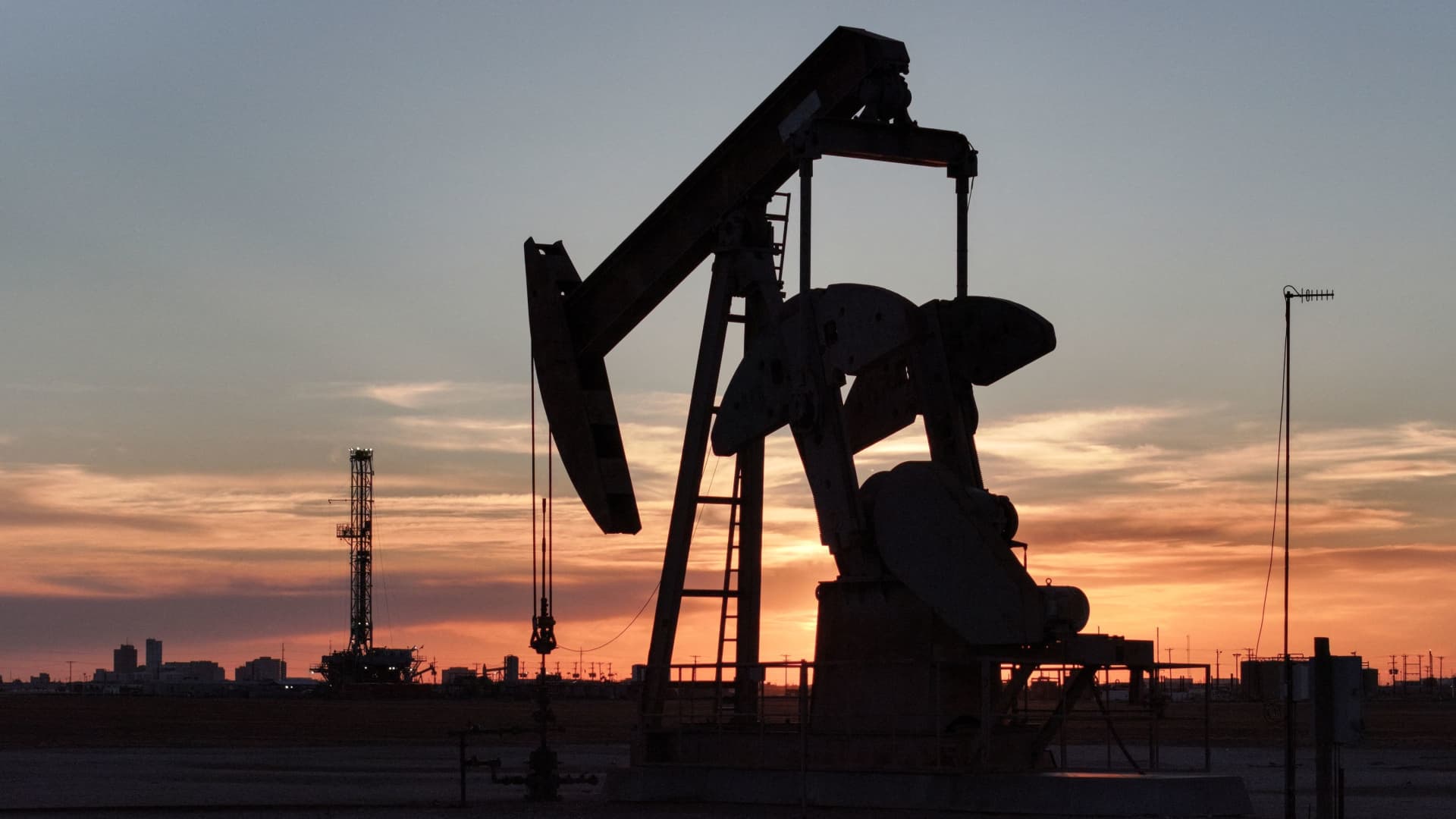
Coterra Energy has signaled a notable pivot in its operational strategy, confirming its decision to maintain nine oil rigs in the Permian Basin, a direct reversal of earlier plans to reduce its count to seven. This announcement, delivered by CEO Thomas Jorden, offers a powerful testament to the company’s regained confidence in the trajectory of global oil markets and, by extension, the broader economic outlook. For investors, this shift is more than just a change in rig numbers; it represents a strategic re-evaluation of risk and reward, with profound implications for Coterra’s production targets, capital expenditure, and long-term value proposition.
Strategic Reversal Signals Renewed Market Confidence
Just last month, alongside its first-quarter earnings report, Coterra articulated concerns regarding a potential tariff-driven recession. This outlook prompted a strategic reallocation of capital expenditures from oil assets towards natural gas production, including the planned reduction of Permian oil rigs to seven. The rationale was clear: a perceived threat to oil demand and prices. However, recent developments have evidently assuaged these fears. CEO Jorden’s statement confirms a more optimistic stance, acknowledging that the company is “feeling a little better” about avoiding a market “collapse.” This renewed conviction suggests Coterra now views the economic landscape as more stable and supportive of oil demand, a critical factor for any exploration and production company. The company’s current position, with “very few under contract” rigs, also grants it significant operational flexibility, allowing for rapid adjustments should market conditions pivot once more.
Navigating Volatility: A Look at Current Oil Prices and Investor Sentiment
Coterra’s decision to lean into oil production comes amidst a period of notable volatility in crude markets, a landscape that has many investors questioning the future. As of today, Brent crude trades at $90.38, reflecting a significant 9.07% decline within the day, with its range spanning from $86.08 to $98.97. Similarly, West Texas Intermediate (WTI) sits at $82.59, down 9.41% today, moving within a daily range of $78.97 to $90.34. This recent sharp downturn follows a broader trend; Brent crude has shed 18.5% over the past two weeks, plummeting from $112.78 on March 30th to $91.87 by April 17th. This movement is largely attributed to the market deeming the recent Iran-Israel conflict and associated U.S. actions as not systemically disruptive to global supply. For many investors, a key question remains: “what do you predict the price of oil per barrel will be by end of 2026?” Coterra’s maintained rig count, despite this immediate price weakness, suggests a more bullish long-term outlook for crude than the recent daily movements might imply, possibly anticipating a rebound or a sustained higher floor than previously feared.
Balancing Long-Term Growth with Capital Discipline
The strategic implications of Coterra’s reversal extend directly to its long-term growth ambitions. Mizuho analysts had previously voiced concerns that the planned reduction in oil activity could negatively impact the company’s ambitious three-year goal of achieving at least 5% annual oil production growth on average. They specifically flagged potential repercussions for 2026-27 production, citing a “loss in momentum.” By maintaining nine oil rigs, Coterra appears to be directly addressing these concerns, aiming to preserve the necessary activity levels to hit its stated growth targets, originally outlined in February. However, this commitment to sustained activity comes with a financial trade-off. The increased rig count will push Coterra’s 2025 capital expenditure closer to the higher end of its guidance range, which stands between $2 billion and $2.3 billion. While some investors might typically scrutinize higher capex, the market often views such spending favorably when it is directly linked to securing robust, long-term production growth and fulfilling strategic objectives.
Forward View: Key Catalysts on the Horizon
Coterra’s decision to hold firm on its oil rig count reflects a current confidence, but the dynamic nature of energy markets means this conviction will be continually tested. The next two weeks present several critical data points and meetings that could significantly influence crude prices and, consequently, Coterra’s strategic flexibility. Investors are keenly awaiting the outcome of the OPEC+ Joint Ministerial Monitoring Committee (JMMC) meeting today, April 18th, followed by the Full Ministerial Meeting tomorrow, April 19th. Many are asking “What are OPEC+ current production quotas?” as any adjustments could dramatically shift the global supply landscape. Further insights into demand and inventory will come from the API Weekly Crude Inventory report on April 21st and the EIA Weekly Petroleum Status Report on April 22nd. Finally, the Baker Hughes Rig Count reports on April 24th and May 1st will provide a broader industry snapshot, allowing investors to gauge overall drilling activity in key basins like the Permian. These upcoming events will serve as crucial indicators, either reinforcing Coterra’s current optimistic stance or prompting further recalibration in a market that remains sensitive to both geopolitical shifts and fundamental supply-demand dynamics.


