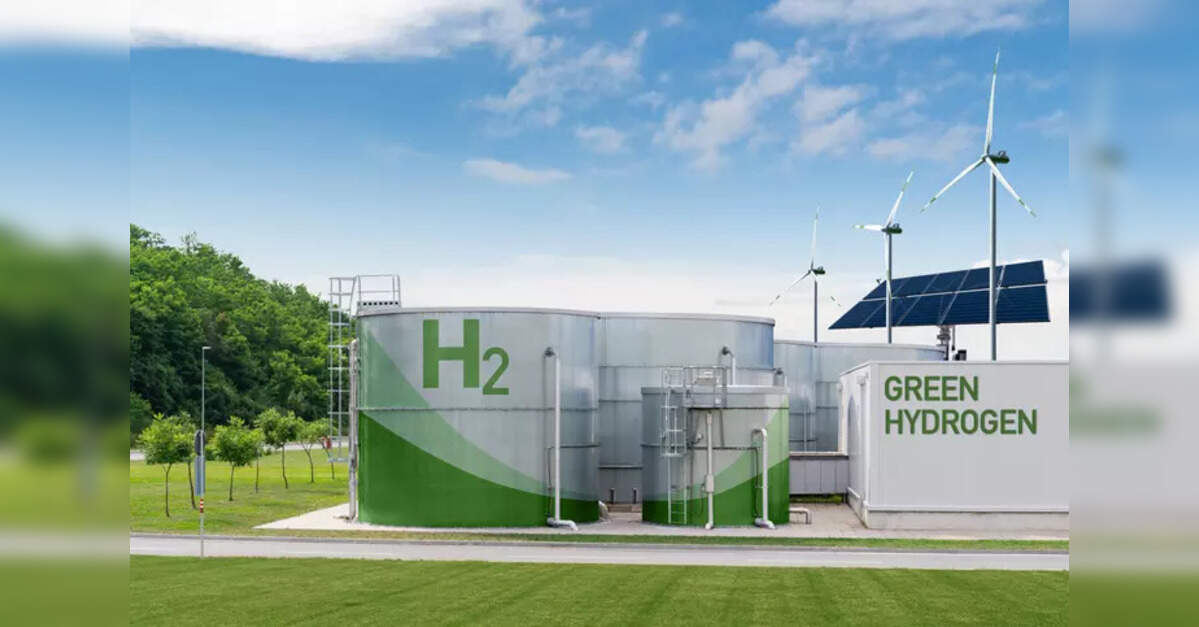
India’s ambitious energy transition gains significant momentum with the recent announcement of Greenzo Energy India Ltd. securing a substantial order from Oswal Energies Ltd. This ₹320 crore contract for a 20 MW green hydrogen facility, operating under a Build-Operate-Transfer (BOT) model, is more than just a business transaction; it signals a clear acceleration in the nation’s push towards decarbonization and indigenous energy independence. For investors navigating the complex global energy landscape, this deal offers a compelling insight into the strategic reallocation of capital and the burgeoning opportunities within the green hydrogen sector, even as traditional oil and gas markets continue their volatile dance.
The Green Hydrogen Imperative: India’s Strategic Bet on Indigenous Innovation
The Greenzo-Oswal collaboration crystallizes India’s commitment to fostering a robust domestic green hydrogen ecosystem. Greenzo Energy, an indigenous manufacturer of electrolysers and integrated hydrogen systems, will supply its advanced technology, while Oswal Energies will leverage its extensive engineering, procurement, and construction (EPC) expertise. Oswal’s formidable track record, encompassing over 250 global projects for major clients like Shell, ExxonMobil, ONGC, and Linde across upstream, midstream, and downstream hydrocarbon facilities, as well as emerging sectors like green hydrogen and carbon capture, lends significant credibility and execution power to this venture. The 20 MW facility represents a tangible step towards scaling green hydrogen production, vital for decarbonizing hard-to-abate sectors such as chemicals, refineries, and heavy mobility. This indigenous focus not only supports national self-reliance but also aims to drive down the cost of green hydrogen production, making it a more competitive alternative to fossil fuels over the long term. Investors are increasingly eyeing these types of strategic partnerships that combine technological innovation with proven project delivery capabilities, seeing them as essential for de-risking new energy investments.
Navigating Market Dynamics: The Intersection of Crude Prices and Green Energy Capital
While the long-term narrative for green hydrogen strengthens, investors are simultaneously grappling with the immediate fluctuations in the conventional energy markets. As of today, Brent crude trades at $95.19, reflecting a modest daily gain of 0.42% within a range of $91 to $96.89. WTI crude, similarly, is up 1.18% to $92.36, trading between $86.96 and $93.3. Gasoline prices have also seen an uptick, currently at $3.01, a 1.35% increase. However, this recent upward movement follows a notable trend: Brent crude has seen a significant decline over the past two weeks, dropping from $102.22 on March 25th to $93.22 by April 14th, an 8.8% reduction. This 14-day downturn underscores the inherent volatility in global oil markets, driven by geopolitical tensions, demand concerns, and supply adjustments. For many investors actively asking about base-case Brent price forecasts for the next quarter and consensus 2026 outlooks, this price action is paramount. The Greenzo-Oswal deal, in this context, highlights a strategic diversification trend: capital is flowing into green energy projects as a hedge against the cyclical nature and long-term uncertainties of fossil fuel markets, offering a pathway to more stable, sustainable returns.
Upcoming Energy Events and Portfolio Adjustments
The immediate future holds several critical events that will undoubtedly shape the short-to-medium term outlook for traditional oil and gas, influencing portfolio allocations. The Baker Hughes Rig Count, scheduled for April 17th and again on April 24th, will provide crucial insights into upstream activity and potential supply trends. More significantly, the OPEC+ Joint Ministerial Monitoring Committee (JMMC) meeting on April 18th, followed by the Full Ministerial meeting on April 20th, will be closely watched for any signals regarding production policy. Any adjustments to output quotas or guidance on market stability will directly impact crude prices and investor sentiment. Furthermore, the API Weekly Crude Inventory reports on April 21st and 28th, alongside the EIA Weekly Petroleum Status Reports on April 22nd and 29th, will offer essential data on U.S. supply and demand dynamics, influencing short-term trading strategies. While these events dictate the tactical maneuvers in conventional energy portfolios, the strategic investments in green hydrogen, exemplified by the Greenzo-Oswal partnership, represent a long-term play. Investors are increasingly recognizing that while they must navigate the near-term volatility driven by these calendar events, the structural shift towards green energy continues unabated, offering a fundamental growth driver for future returns.
Investor Sentiment: Beyond Short-Term Swings to Strategic Growth
Our proprietary reader intent data reveals a keen investor focus on short-term price discovery, with frequent queries about the “base-case Brent price forecast for next quarter” and the “consensus 2026 Brent forecast.” This preoccupation with crude price trajectory is understandable, given its pervasive impact across the energy sector. However, the Greenzo-Oswal deal underscores a crucial parallel trend: a growing segment of investors is looking beyond these cyclical movements towards strategic, long-term growth opportunities in the energy transition. This green hydrogen project, with its BOT model and focus on indigenous technology, addresses several key investor concerns: de-risking new technologies, ensuring project bankability, and aligning with national strategic objectives for decarbonization. Oswal’s extensive experience as an EPC firm, having serviced industry giants, provides a strong foundation for successful project execution, mitigating typical new-venture risks. For those seeking to diversify their energy exposure and build resilience against the inherent volatility of hydrocarbon markets, investments in proven green energy solutions like this project represent a critical component of a forward-looking portfolio strategy. The shift is not just about adopting new technologies, but about investing in the infrastructure and partnerships that will define the next era of global energy.


