New York’s Nuclear Gambit: A Direct Threat to Gas-Fired Power
New York State is charting an ambitious course in its energy future, with Governor Kathy Hochul instructing the New York Power Authority to develop a new, zero-emission advanced nuclear power plant. This isn’t merely a regional headline; it represents a significant structural shift in the power generation landscape that demands attention from oil and gas investors. With a planned output of no less than 1 gigawatt, enough to power 1 million homes, this facility is poised to become the first major new US nuclear plant in over 15 years and a formidable competitor to natural gas in the state’s electricity mix.
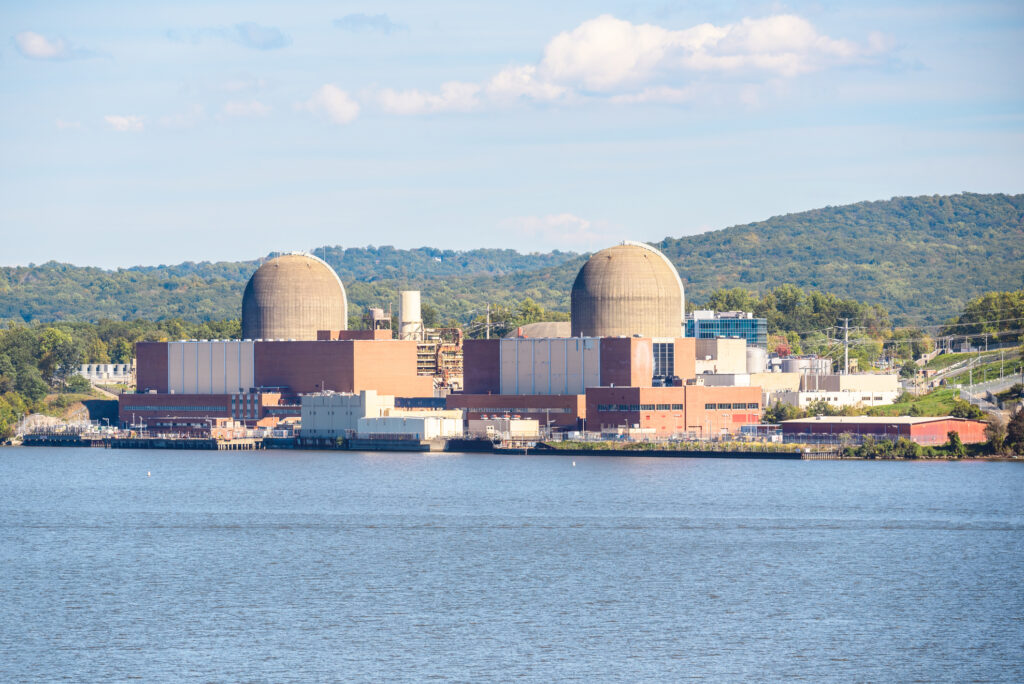
The announcement carries particular weight given the state’s recent history, coming just four years after the closure of the Indian Point nuclear plant, which previously supplied roughly a quarter of the electricity for New York City and Westchester County. Governor Hochul’s administration views this as a crucial step towards energy independence and supply chain security, essential for an economy rapidly electrifying and attracting large manufacturers. New York is legally mandated to achieve 70% renewable electricity sources by 2030 and net-zero carbon emissions by 2040 under its 2019 Climate Act. A 1 GW nuclear facility offers a reliable, baseload, carbon-free power source that directly undercuts the need for new, or continued operation of existing, gas-fired generation capacity, impacting demand fundamentals for natural gas in the Northeast.
Current Market Realities Amidst Long-Term Shifts
While New York’s nuclear ambitions signal a long-term structural change, investors must also contend with immediate market dynamics. As of today, Brent crude trades at $95.19 per barrel, reflecting a modest daily gain of 0.42% within a range of $91-$96.89. WTI crude also saw an uptick, reaching $92.36, up 1.18% for the session, trading between $86.96 and $93.3. This current stability follows a notable retreat over the past fortnight, with Brent shedding approximately $9, or 8.8%, from $102.22 on March 25th to $93.22 just yesterday. Gasoline prices, a key indicator of consumer demand and refining margins, are also trending higher, currently at $3.01 per gallon, up 1.35% for the day.
These short-term price movements are influenced by a confluence of global supply-demand balances, geopolitical tensions, and inventory data. However, for investors in natural gas, developments like New York’s nuclear initiative add a critical layer to the long-term demand outlook. While a single plant won’t immediately alter global crude or gasoline prices, it represents a tangible move away from fossil fuels in a significant regional power market. This gradual erosion of domestic natural gas demand, particularly for power generation, sends a clear signal about the direction of energy policy and investment priorities in key US states, even as global oil markets grapple with their own complexities.
Investor Focus: Navigating the Energy Transition’s Nuances
Our proprietary reader intent data reveals a consistent theme among investors this week: a keen interest in fundamental price drivers and forward-looking forecasts. Many are asking for a base-case Brent price forecast for the next quarter and the consensus 2026 Brent forecast, reflecting a desire to anchor their strategies amidst market volatility. Questions around Asian LNG spot prices also frequently surface, underscoring the interconnectedness of global gas markets and the impact of regional supply shifts.
For investors focused on the natural gas sector, New York’s nuclear plan presents a direct challenge. While the sheer scale of global natural gas demand means a 1 GW plant in upstate New York won’t immediately crash prices, it’s a significant data point in the broader energy transition narrative. As states like New York aggressively pursue decarbonization targets, the displacement of gas-fired power by zero-emission alternatives – be it nuclear, solar, or wind – will continue to put pressure on domestic demand growth. This necessitates a careful re-evaluation of long-term natural gas investment theses, particularly for producers heavily reliant on domestic power generation markets. The long lead times for nuclear projects mean the immediate impact is limited, but the strategic intent is clear: diversify or face increasing competition from non-fossil sources.
Forward Path: Upcoming Events and Strategic Implications
As we look ahead, the immediate horizon is packed with events that will shape short-term market sentiment. The upcoming OPEC+ Joint Ministerial Monitoring Committee (JMMC) meeting on April 18th, followed by the full Ministerial meeting on April 20th, will be crucial for assessing global crude supply strategies. Regular industry benchmarks like the Baker Hughes Rig Count on April 17th and 24th, alongside API and EIA weekly inventory reports (starting April 21st and 22nd), will provide fresh data points on supply and demand dynamics, offering immediate trading insights.
However, for investors adopting a multi-year outlook, these short-term catalysts must be viewed through the lens of long-term structural shifts. The multi-year timeline for a 1 GW advanced nuclear plant means its immediate impact on these weekly and monthly data points is negligible. Yet, for investors with a 5-10 year horizon, this represents a tangible reduction in future gas demand growth within a key US region. This strategic pivot by New York signals a growing trend among state governments to take direct action on climate goals, often at the expense of fossil fuel-based generation. Companies in the natural gas value chain, from upstream producers to midstream transporters and downstream utilities, must integrate these policy-driven shifts into their capital allocation decisions and strategic planning. The future of energy investment increasingly involves balancing the immediate signals from OPEC+ and inventory reports with the profound, albeit slower, currents of the global energy transition.