Eni’s aggressive expansion in the biorefining sector, highlighted by the recent €155 million contract awarded to Saipem for its Venice facility, signals a decisive pivot within the integrated energy major’s long-term strategy. This move is not merely an incremental upgrade but a foundational shift towards a diversified energy portfolio, designed to capture value in the rapidly evolving sustainable fuels market. For investors, understanding the scale and strategic implications of these conversions is crucial, especially as traditional refining margins face increasing scrutiny and volatility. Eni, a pioneer in converting conventional refineries, is solidifying its leadership in renewable diesel and sustainable aviation fuel (SAF) production, positioning itself at the forefront of the energy transition while retaining strategic optionality in its legacy assets.
Eni’s Biorefinery Leadership Expands with Venice Upgrade
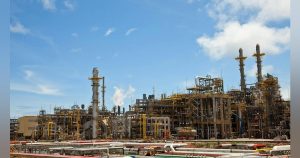
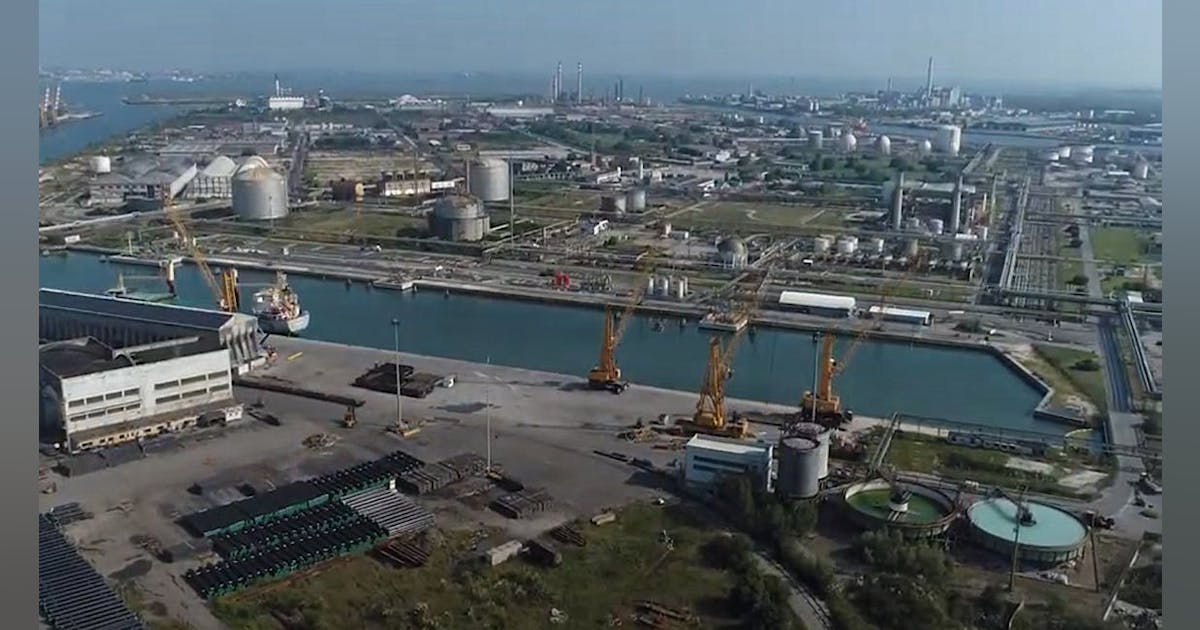
The latest development at Enilive SPA’s Venice biorefinery in Porto Marghera underscores Eni’s commitment to scaling its renewable fuel output. The Saipem contract, valued at €155 million, will boost the facility’s production capacity by a substantial 50%, from 400,000 tonnes per year (tpy) to an impressive 600,000 tpy. This expansion, slated for startup in 2027, is particularly significant as it will enable the Venice biorefinery to commence its first production of sustainable aviation fuel (SAF). This is a critical step, given the burgeoning demand and regulatory push for decarbonization in the aviation sector. Eni’s history in this space is notable; it was the first global operator to convert two conventional refineries, beginning with Venice in 2014 and followed by the Gela refinery in 2019, demonstrating a consistent, long-term vision in the biofuels arena. The phased approach, leveraging Saipem from feasibility studies through EPC, indicates a well-structured and de-risked project execution strategy, which should appeal to discerning investors.
Rapid Expansion Across Italy’s Refining Landscape
Beyond Venice, Eni is executing a broader, ambitious plan to transform its Italian refining footprint. The company’s latest capital markets update confirmed final investment decisions (FIDs) in 2024 for several key projects. The idled 84,000 b/d conventional crude oil refinery in Livorno is set for conversion, with a target startup in 2026 and a nameplate capacity of 500,000 tpy of renewable fuels. Similarly, the 180,000 b/d Sannazzaro de’ Burgondi conventional refinery is projected to produce 550,000 tpy of renewable fuels by December 2027 following its conversion. Rounding out this expansive agenda is the planned conversion of the Priolo Gargallo steam-cracking plant, with subsidiary Versalis SPA targeting 500,000 tpy of biorefinery production by year-end 2028. These projects collectively represent a multi-billion-euro commitment to a future where renewable fuels form a substantial part of Eni’s downstream revenue. The pace and scale of these planned conversions highlight Eni’s strategic agility and its resolve to meet its net-zero by 2050 targets, providing a clear trajectory for long-term growth in a decarbonizing world.
Navigating Volatile Markets: Strategic Diversification Amidst Investor Questions
Eni’s aggressive pivot towards biorefining offers a compelling narrative for investors grappling with the inherent volatility of traditional oil markets. As of today, Brent Crude trades at $95.35, up 0.59% for the day, yet the 14-day trend shows a decline of nearly 9%, falling from $102.22 on March 25th to $93.22 on April 14th. This fluctuation, coupled with gasoline prices at $3.02, underscores the dynamic and often unpredictable nature of fossil fuel commodities. Investors are keenly asking about base-case Brent price forecasts for the next quarter and the consensus 2026 Brent outlook, reflecting a desire for stability and predictability. Eni’s strategy directly addresses this by building a more resilient downstream business. By converting conventional refineries, Eni hedges against the unpredictable refining margins tied directly to crude input costs and product demand for fossil fuels. Renewable fuels, often underpinned by regulatory mandates and growing consumer demand for sustainable alternatives, offer a different risk-reward profile. This strategic diversification provides a degree of insulation from the immediate ripples of crude price movements or the operational nuances of traditional refining, such as the performance of Chinese tea-pot refineries, which frequently concerns market participants. Instead, Eni is building an asset base geared towards a more stable, policy-driven growth segment of the energy market.
Forward Outlook: Eni’s Strategy and Upcoming Market Catalysts
The strategic importance of Eni’s biorefinery expansion becomes even clearer when viewed against the backdrop of upcoming energy market events. While traditional oil and gas investors will be closely monitoring the OPEC+ Joint Ministerial Monitoring Committee (JMMC) meeting on April 18th and the full Ministerial meeting on April 20th for potential supply adjustments, Eni’s long-term play in renewable fuels offers a different kind of investment thesis. Similarly, the API Weekly Crude Inventory reports on April 21st and 28th, along with the EIA Weekly Petroleum Status Reports on April 22nd and 29th, will provide crucial short-term demand and supply signals for conventional crude. However, Eni’s investment in biorefineries positions it to benefit from structural shifts rather than solely relying on these weekly data points. The company’s commitment to delivering significant renewable fuel capacity by 2026, 2027, and 2028 aligns with global decarbonization efforts and increasing policy support for cleaner energy. This forward-looking approach suggests that while short-term market volatility will persist, Eni’s strategic pivot provides a compelling pathway for sustained growth, increasingly decoupled from the immediate whims of crude oil prices and traditional refinery economics, offering a more robust investment for the evolving energy landscape.