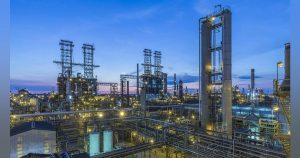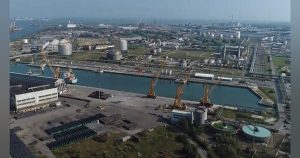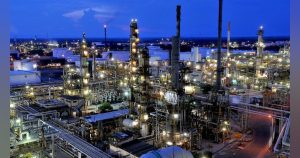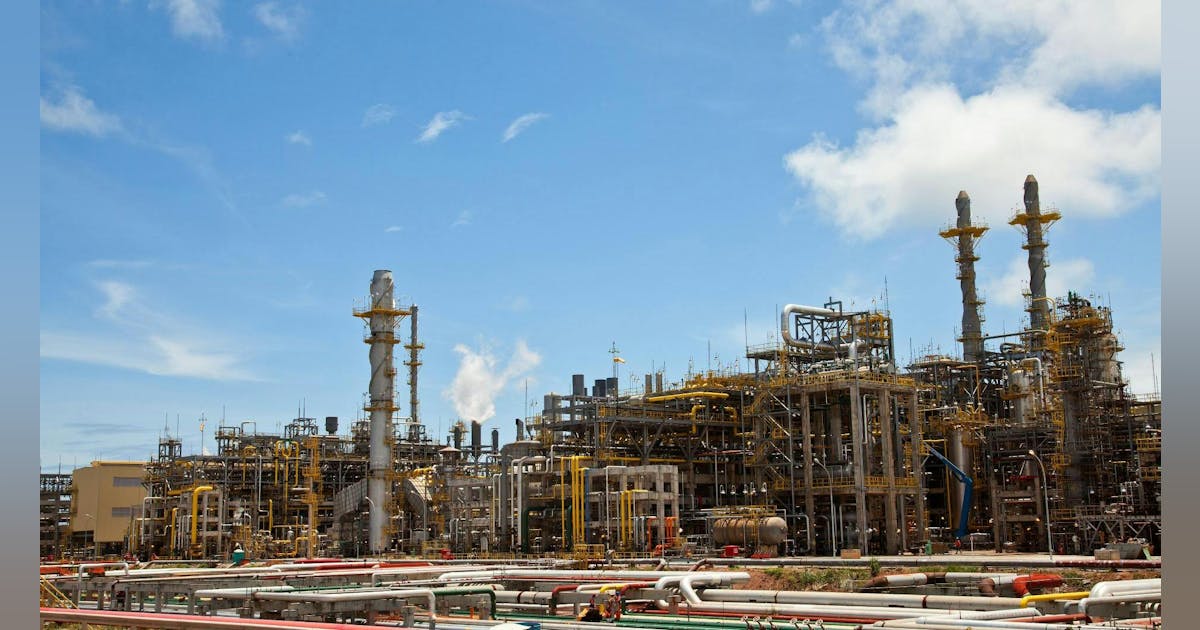
Petrobras has initiated a significant expansion of its Refinaria Abreu e Lima (RNEST) in Ipojuca, Brazil, marking a pivotal moment for the country’s downstream sector. The award of three key contracts to Consag Engenharia SA, totaling 4.9-billion reals ($888.1 million), signals the revival of the long-stalled Train 2 project. This ambitious undertaking aims to double RNEST’s crude processing capacity from 130,000 b/d to an impressive 260,000 b/d by 2029, positioning it as Petrobras’ second-largest refinery. For investors, this move underscores a strong conviction in Brazil’s long-term product demand growth, particularly for cleaner fuels, even as global crude markets navigate considerable volatility. Our analysis delves into the strategic implications of this investment, its alignment with market trends, and what it means for the broader energy investment landscape.
Strategic Revival and Domestic Demand Fulfillment
The decision to resume the RNEST Train 2 project, after an interruption since 2015, highlights Petrobras’ renewed focus on strengthening its domestic refining capabilities and meeting specific market needs. The expansion encompasses a new 130,000 b/d atmospheric crude distillation unit (CDU), a 75,000 b/d delayed coking unit, and an 82,000 b/d diesel hydrotreating unit. Critically, the hydrotreating unit is designed to produce 100% low-sulfur S-10 diesel, a cleaner fuel with 10 ppm sulfur content, specifically for the Brazilian market. This focus on S-10 diesel is not merely an operational upgrade; it’s a strategic response to Brazil’s stricter air pollution control programs and the growing demand for fuels that enhance vehicle performance and reduce emissions. Petrobras’ CEO, Magda Chambriard, emphasized RNEST’s strategic importance for Brazil’s North and Northeast regions, framing the investment as a commitment to national development and expanding refining capacity to meet societal and market demands. For investors, this signifies a play on essential domestic demand and value-added product streams, rather than just raw crude processing.
Navigating Crude Volatility with Downstream Conviction
Petrobras’ substantial commitment to the RNEST expansion comes at a time of considerable flux in global crude markets. As of today, Brent crude trades at $90.38, marking a significant 9.07% decline from its opening, with WTI crude similarly down 9.41% at $82.59. This daily volatility follows a broader trend over the past two weeks, where Brent has fallen from $112.78 on March 30th to $91.87 on April 17th, representing an 18.5% drop. Such price swings naturally lead investors to question the long-term outlook for oil, with many asking about the predicted price of oil per barrel by the end of 2026. Petrobras’ $888.1 million investment, with a 2029 startup, demonstrates a strategic conviction that transcends short-term market fluctuations. By focusing on downstream integration and high-value product output like S-10 diesel, the company is hedging against crude price volatility by securing refining margins and fulfilling essential domestic demand. This long-term bet suggests a belief in robust future demand for refined products in Brazil, irrespective of the precise crude price trajectory, underscoring the resilience of well-positioned downstream assets.
Refining Margins and Product Diversification in Focus
The RNEST expansion is not just about increasing volume; it’s about enhancing the refinery’s complexity and value-generation capabilities. The addition of a delayed coking unit, processing up to 75,000 b/d, allows RNEST to convert heavier, lower-value crude fractions into lighter, more valuable products. This improves the refinery’s yield structure and overall profitability, a crucial factor for investors keenly watching refining margins. Furthermore, the dedicated S-10 diesel production capacity, at 82,000 b/d, positions Petrobras strongly in a market segment driven by both economic growth and environmental mandates. This diversification into cleaner, higher-specification fuels provides a competitive edge and aligns with global trends towards more sustainable energy consumption. The project is also expected to generate approximately 30,000 direct and indirect jobs by its conclusion, signaling significant economic impact and potentially garnering governmental support, which can be a key de-risking factor for large-scale energy investments.
Upcoming Events and the Global Supply Backdrop
While the RNEST expansion is a long-term play, its future operational environment will be significantly shaped by near-term global supply dynamics. The upcoming OPEC+ meetings, including the Joint Ministerial Monitoring Committee (JMMC) on April 18th and the Full Ministerial meeting on April 19th, are critical events on the energy calendar. Investors are closely monitoring these gatherings, particularly for insights into future production quotas, a frequent query among our readers. Any decisions made by OPEC+ regarding supply adjustments could directly impact crude prices and feedstock costs for refineries globally, including RNEST. Furthermore, weekly data releases such as the API Weekly Crude Inventory on April 21st and the EIA Weekly Petroleum Status Report on April 22nd will offer real-time snapshots of market balances. While these immediate events precede RNEST’s 2029 startup, they collectively paint the picture of the crude supply environment that Petrobras’ expanded capacity will eventually operate within. Petrobras’ investment signals a confidence in securing adequate crude feedstock, possibly from domestic pre-salt production, to feed its expanded refining system and capitalize on robust product demand.